How to Choose the Best Intelligent Greenhouse for Your Needs?
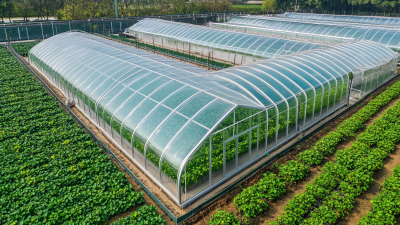
As agriculture embraces innovation, the role of the "Intelligent Greenhouse" becomes increasingly vital. According to a recent report by ResearchAndMarkets, the global smart greenhouse market could surpass $2.6 billion by 2026, reflecting a significant shift toward more sustainable practices. These advanced structures utilize technology to optimize conditions for plant growth, enhancing efficiency and yield.
Selecting the best Intelligent Greenhouse for your needs requires careful consideration. Factors include size, climate control systems, and integration with renewable energy sources. A study by MarketsandMarkets highlights that automation in greenhouse cultivation can improve yield by up to 30%. However, not every intelligent solution fits all farming conditions. Some systems may require extensive management or lack adaptability, raising challenges for users.
Innovation in intelligent greenhouses introduces new complexities. While technology can yield impressive results, understanding your unique requirements is crucial. Balance between advanced features and practicality remains vital for farmers. After all, the best solution must align with both crop needs and operational capacity. It’s essential to explore what works best for your specific context.
Understanding Your Gardening Needs and Goals
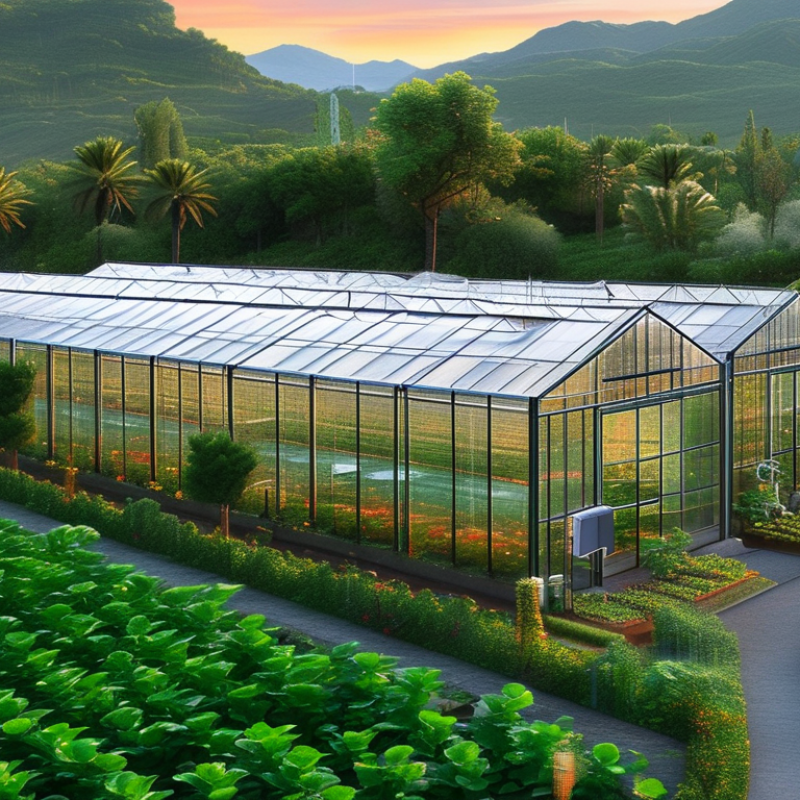
When considering an intelligent greenhouse, it's crucial to assess your gardening needs and goals first. Reflect on the types of plants you want to grow. Are you interested in vegetables, flowers, or perhaps herbs? Each category may require different conditions. A greenhouse that provides adequate light, temperature, and humidity settings can significantly affect plant growth. Understand these needs before making a choice.
Next, think about your gardening experience. Are you a novice or a seasoned gardener? If you're just starting, you might need a greenhouse with user-friendly technology. Simplicity is key for beginners. Experienced gardeners may prefer advanced features to optimize growth. Keep in mind, though, that sophisticated systems can sometimes be overwhelming. Balance is essential. You want a greenhouse that meets your objectives without adding unnecessary complexity.
Evaluating Climate Control Features in Intelligent Greenhouses
When evaluating climate control features in intelligent greenhouses, precision is key. Temperature regulation is essential for plant health. Look for systems that automate heating and cooling. A combination of thermostats and adaptive ventilation can create an optimal environment.
Humidity control is another critical feature. Plants have specific moisture requirements. Intelligent greenhouses often include sensors to monitor humidity levels. These sensors can trigger misting systems or dehumidifiers. This ensures plants thrive without stress.
Be cautious about relying solely on technology. An automated system may fail unexpectedly. Regular manual checks can prevent crises. It’s wise to balance automation with human oversight. Understanding the local climate can also enhance greenhouse performance. Local weather patterns can shift unexpectedly, affecting plant growth. Each greenhouse should be customizable to accommodate these changes. Adaptability is crucial for successful cultivation.
Assessing Technology Integration for Automation and Monitoring
When selecting an intelligent greenhouse, technology integration for automation and monitoring plays a vital role. Advanced systems enable seamless management of environmental conditions like temperature, humidity, and light. These technologies can track plant health in real-time, helping you make informed decisions about your crops. A good system enhances efficiency, reducing labor costs and minimizing input waste.
However, not all technologies are reliable. Some systems might fail to deliver accurate data, leading to poor crop outcomes. It’s crucial to assess the compatibility of automation tools with your existing setup. Can you easily integrate new sensors or software? Researching user reviews and consulting with experts can shed light on the performance of such systems.
Budget is another factor. Cutting corners on technology may lead to bigger issues later. Investing in high-quality sensors can save you time and resources. Inexperienced operators may struggle with overly complex systems. Simple solutions may provide better control and easier operation. Balancing innovation with practicality is essential for success.
Comparing Size and Layout Options for Optimal Plant Growth
When choosing an intelligent greenhouse, size and layout are crucial. A larger space may seem attractive but can lead to inefficiencies. Plants need room to grow, but overcrowding can stunt development. A 10x10 foot greenhouse works for small gardens, allowing easy access and sunlight. It avoids the challenges of excessive space management.
Layout impacts airflow, light distribution, and watering. Rows of plants can restrict airflow. Consider raised beds to enhance drainage and accessibility. Vertical gardening maximizes space but may complicate watering systems. The arrangement must facilitate plant growth while considering maintenance tasks.
Reflect on your gardening goals. Do you want to grow vegetables or flowers? Different plants have unique needs. Planning the layout for these factors can prevent issues later. Think about how layout affects your daily tasks. Effective use of space can enhance growth but requires careful thought. Balancing size and design is essential for a thriving greenhouse.
How to Choose the Best Intelligent Greenhouse for Your Needs? - Comparing Size and Layout Options for Optimal Plant Growth
| Greenhouse Size (sq ft) |
Layout Type |
Recommended Crop Types |
Optimal Climate Conditions |
Irrigation Type |
| 100 |
A-Frame |
Herbs, Lettuce |
60-75°F, 70% Humidity |
Drip Irrigation |
| 200 |
Gothic Arch |
Tomatoes, Peppers |
70-85°F, 60% Humidity |
Mist System |
| 300 |
Tunnel |
Cucumbers, Zucchini |
65-80°F, 50% Humidity |
Fertigation |
| 500 |
Commercial |
Fruits, Flowers |
70-90°F, 65% Humidity |
Hydroponics |
Analyzing Cost and Value of Different Intelligent Greenhouse Models
When considering the cost and value of intelligent greenhouses, practicality is key. The initial investment can vary significantly based on features and size. Basic models may start around a few thousand dollars. However, advanced systems with climate control and automation could exceed ten thousand. Make sure to assess what features are essential for your growing needs.
It's essential to evaluate the long-term savings these systems can provide. Intelligent greenhouses can reduce water usage and optimize energy consumption. These savings could recoup your initial investment over time. Yet, not all models perform equally. You might find that some high-tech features do not yield significant benefits for your specific crops.
Moreover, consider the operational costs. Maintenance and repairs can add to the total cost. It's wise to delve into user reviews and expert opinions. Some models may require more frequent troubleshooting. Reliability and customer support play critical roles in overall satisfaction. Reflect on these factors before settling on a greenhouse.