Why Choose Tunnel Greenhouses for Efficient Plant Growth?
Tunnel Greenhouses offer a unique environment for efficient plant growth. These structures optimize conditions for various crops. They provide essential benefits like temperature control and protection from pests. Farmers often face challenges in plant cultivation. Tunnel Greenhouses address these issues effectively.
The design maximizes sunlight exposure while minimizing harsh weather impacts. By trapping heat, they create an ideal microclimate for growth. This method extends the growing season, which boosts productivity. However, proper management is crucial. Overheating can harm plants, requiring careful monitoring.
Farmers must consider local conditions when utilizing Tunnel Greenhouses. Each site presents unique challenges. Understanding these factors is vital for success. With the right approach, Tunnel Greenhouses can significantly enhance crop yields. Their efficient design caters to both beginner and experienced growers alike.
Benefits of Tunnel Greenhouses for Plant Growth Efficiency
Tunnel greenhouses offer several advantages for enhancing plant growth efficiency. These structures create a controlled environment, allowing for consistent temperature and humidity levels. This stability promotes healthy plant development, leading to higher yields. Plants in tunnel greenhouses often thrive due to reduced exposure to pests and diseases. Growers can use targeted pest management strategies more effectively.
Another significant benefit is extending the growing season. Farmers can start planting earlier in spring and continue harvesting later into fall. This extended season provides more opportunities for producing various crops. Additionally, tunnel greenhouses can optimize water usage. They reduce evaporation and ensure that plants receive adequate hydration.
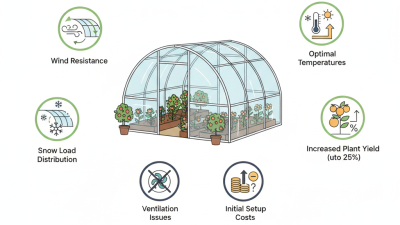
Yet, there are challenges to consider. Proper ventilation is crucial to prevent overheating. Without it, plants may suffer from stress. Growers need to regularly monitor temperature levels. There can be an initial cost for setup and maintenance. However, the long-term benefits often outweigh these concerns. Understanding these elements allows for better management of tunnel greenhouses.
Structural Design Features of Tunnel Greenhouses
Tunnel greenhouses offer unique structural designs that enhance plant growth efficiently. These structures typically feature a semi-circular or arc shape, allowing for optimal sunlight exposure. The design helps to trap heat and creates a stable environment for various plants. This is crucial during colder months when temperatures drop.
The materials used in tunnel greenhouses are also noteworthy. Often made with polyethylene or polycarbonate coverings, they provide effective insulation. These coverings can transmit light well while protecting plants from harsh weather. However, the effectiveness of these films can deteriorate over time, requiring regular maintenance and replacement. Choosing the right structure and materials can be challenging, and growers must remain vigilant about wear and tear.
Ventilation is another key aspect of the design. Many tunnel greenhouses incorporate side vents for airflow. Proper ventilation is essential to prevent overheating and humidity buildup. Poorly managed airflow can lead to plant diseases, which is a concern for many growers. Balancing heat retention with sufficient ventilation can be tricky but is vital for success. Regular evaluation of the structure's performance would help in making necessary adjustments.
Optimal Climate Control in Tunnel Greenhouses
Tunnel greenhouses offer an optimal solution for climate control, fostering ideal conditions for plant growth. Their structure allows for efficient temperature regulation, capturing sunlight and retaining heat. During chilly nights, plants stay warm. This can be crucial in regions with extreme weather.
Moisture management is another important factor. Tunnel greenhouses can create a stable humidity level, reducing the risk of fungal diseases. Growers can control watering, ensuring plants receive just the right amount. However, achieving the perfect balance can be a challenge, and over-watering remains a common mistake.
Ventilation is vital in tunnel greenhouses. Proper air circulation prevents overheating during hot days. Growers should utilize vents and fans wisely. However, improper ventilation can lead to stagnant air, impacting plant health. Understanding the dynamic between heat and humidity requires ongoing learning. This awareness allows growers to refine their practices, maximizing the advantages tunnel greenhouses provide.
Cost-Effectiveness of Tunnel Greenhouse Production
Tunnel greenhouses have gained popularity for their cost-effectiveness in agricultural production. Research shows that these structures can increase yields by up to 30% compared to traditional outdoor farming. The controlled environment helps protect plants from adverse weather, pests, and diseases. This leads to higher quality crops and longer growing seasons.
The initial investment in tunnel greenhouses is often lower than other greenhouse types. According to a report from the American Society for Horticultural Science, the average setup cost for a basic tunnel greenhouse falls between $1,000 to $3,000 per acre. Operating costs remain manageable due to reduced energy needs. Additionally, the efficiency of resource use, such as water and fertilizers, can lead to lower monthly expenses.
However, some challenges exist. Farmers must remain vigilant about humidity and ventilation management. Improper conditions can stunt growth or promote disease. While tunnel greenhouses offer many benefits, the level of care they require may be daunting for beginners. Regardless, the advantages in cost and efficiency make them a worthy consideration for serious growers.
Why Choose Tunnel Greenhouses for Efficient Plant Growth? - Cost-Effectiveness of Tunnel Greenhouse Production
| Dimension |
Description |
Data |
| Initial Investment |
Set up costs for tunnel greenhouse |
$2,500 - $5,000 |
| Annual Operating Cost |
Maintenance and utilities |
$500 - $1,000 |
| Yield Increase |
Compared to open field production |
20% - 40% |
| Crop Variety |
Suitable plants for tunnel greenhouses |
Tomatoes, cucumbers, peppers |
| Climate Control |
Temperature management capabilities |
5°C - 10°C increase possible |
Comparative Analysis: Tunnel Greenhouses vs. Traditional Greenhouses
Tunnel greenhouses, or hoop houses, provide a unique approach to plant growth that can outshine traditional greenhouses. The curved structure enhances sunlight exposure, promoting healthy plant development. These greenhouses allow for better airflow, reducing the risks of mold and pests. They also tend to be more cost-effective in terms of construction and maintenance.
In contrast, traditional greenhouses often require significant investment in heating and cooling systems. Their rigid structures may limit airflow, leading to a healthier environment for pests. Furthermore, tunnel greenhouses can be constructed in various sizes, making them adaptable to different gardening needs and space constraints.
Tips: Optimize your tunnel greenhouse for temperature control by adding ventilation windows and fans. Use shade cloths in warmer months to prevent overheating. Regularly inspect for moisture to avoid waterlogged soil, which can inhibit growth. Keep an eye on plant spacing, as overcrowding leads to competition for nutrients and light. The flexibility of tunnel greenhouses encourages experimentation, setting the stage for both successes and failures in your gardening journey.
Comparative Analysis of Plant Growth: Tunnel Greenhouses vs. Traditional Greenhouses
The chart below illustrates the average growth rates of five popular plants in tunnel greenhouses compared to traditional greenhouses over a growing season. The data highlights the benefits of tunnel greenhouses in optimizing growth conditions.