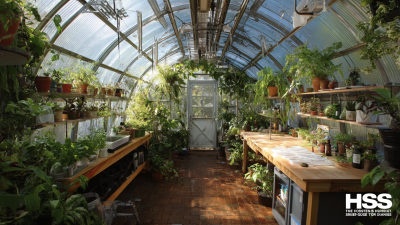
Why Choose a Tunnel Greenhouse for Your Gardening Success
When it comes to enhancing your gardening experience, a Tunnel Greenhouse presents an innovative solution that can significantly impact your success. This type of greenhouse, characterized by its elongated, arched structure, provides a controlled environment that can extend your growing season and protect your plants from harsh weather conditions. By harnessing the benefits of a Tunnel Greenhouse, gardeners can cultivate a diverse range of plants, from vegetables to flowers, with improved yields and quality.
The versatility of the Tunnel Greenhouse makes it an ideal choice for both novice and experienced gardeners. With its ability to create a microclimate, it allows for better temperature regulation and humidity control, reducing the risks associated with pests and diseases. Furthermore, the structure's design permits excellent sunlight exposure while shielding plants from damaging winds and excessive rain. As a result, your efforts in the garden can yield fruitful results, maximizing your harvest and enhancing your gardening satisfaction.
Ultimately, choosing a Tunnel Greenhouse is not merely an investment in a gardening structure but a commitment to achieving long-term success in your horticultural endeavors. Whether you aim to grow fresh produce year-round or embark on a new gardening project, the Tunnel Greenhouse serves as a valuable asset that can help you realize your gardening dreams.
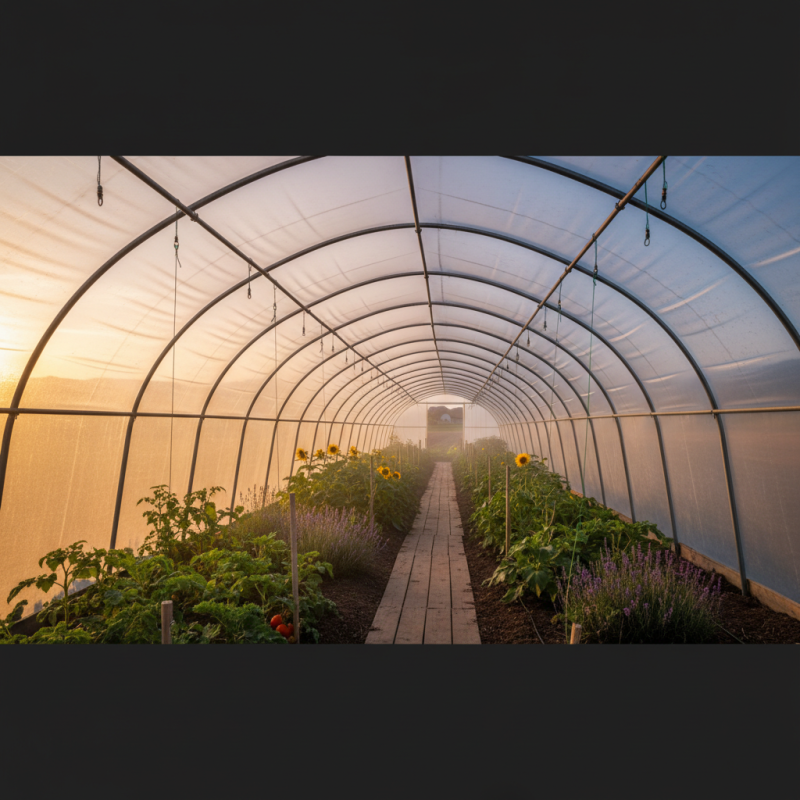
Advantages of Tunnel Greenhouses for Enhanced Crop Growth
Tunnel greenhouses, or hoop houses, are becoming increasingly popular among gardeners and farmers looking to enhance their crop growth effectively. One of the primary advantages of tunnel greenhouses is their ability to create a controlled environment, which promotes faster growth and longer growing seasons. According to a report by the National Sustainable Agriculture Information Service, crops grown in tunnel greenhouses can achieve yields that are up to three times higher than those grown in open fields, primarily due to protection from harsh weather conditions and pests.
Moreover, tunnel greenhouses improve resource efficiency, particularly regarding water and fertilizer use. Research published by the University of Maryland Extension indicates that plants grown in these structures require 50% less water compared to traditional outdoor cultivation. This reduction is largely due to the controlled drainage and evaporation processes, which help maintain optimal humidity levels inside the greenhouse. Additionally, the enclosed environment minimizes nutrient leaching, ensuring that fertilizers are used more effectively, ultimately leading to healthier plants and improved harvests.
The versatility of tunnel greenhouses also allows for diverse agricultural practices, accommodating various crops throughout different seasons. The American Society for Horticultural Science reported that growers using tunnel greenhouses can extend their growing seasons by 4-8 weeks earlier in spring and 2-4 weeks later in the fall. This ability to extend growing periods not only enhances crop productivity but also provides growers with a competitive edge in the market by allowing for earlier access to fresh produce.
Key Features of Tunnel Greenhouses That Support Gardening Success
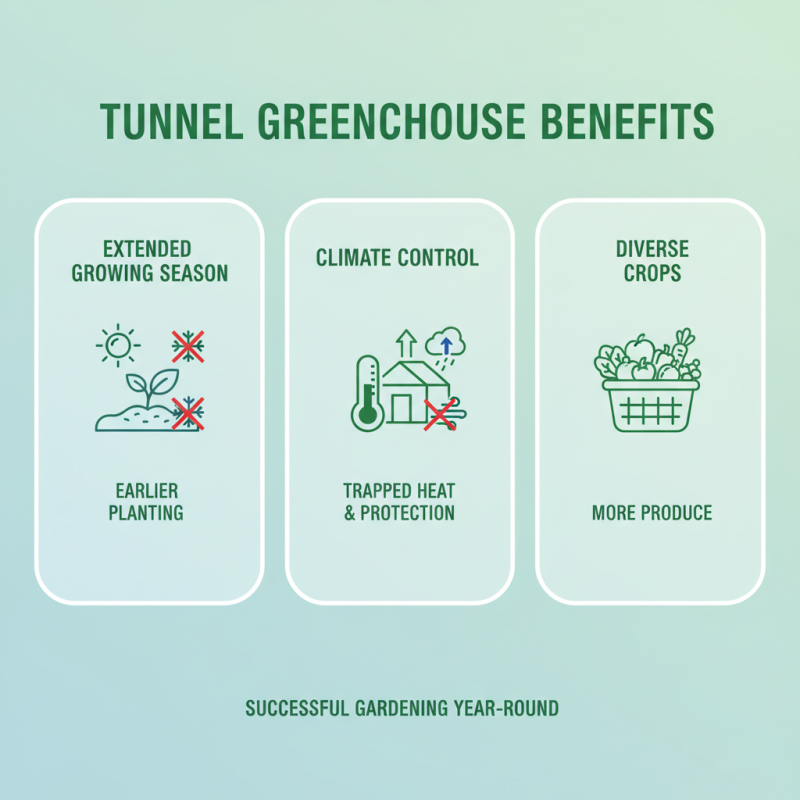
Tunnel greenhouses, often referred to as hoophouses, provide an ideal environment for gardeners aiming for success. One key feature of these structures is their ability to extend the growing season. By trapping heat and shielding plants from harsh weather conditions, tunnel greenhouses allow for earlier planting in spring and prolonged harvests in autumn. This climate control is essential for cultivating a wide variety of crops, particularly in regions with unpredictable climates.
Another significant aspect of tunnel greenhouses is their adaptability. With a simple design that can be customized to various sizes, gardeners can modify their hoophouses to suit their specific needs. Whether you’re interested in vegetable gardening, flower production, or even starting seedlings, these structures can accommodate diverse gardening activities. Plus, they can be built using affordable materials, making them accessible to both amateur and experienced gardeners.
**Tips:** To maximize your tunnel greenhouse's effectiveness, consider implementing proper ventilation systems to prevent overheating on warm days. Additionally, using row covers can provide extra protection for delicate seedlings during unexpected cold snaps, ensuring they thrive within the greenhouse. Lastly, regular monitoring of humidity levels will help you maintain an optimal environment, reducing the risk of mold and disease.
Comparative Analysis: Tunnel Greenhouses vs. Traditional Greenhouses
When comparing tunnel greenhouses to traditional greenhouses, several crucial factors influence gardening success. Research indicates that tunnel greenhouses often outperform their traditional counterparts in efficiency and cost-effectiveness. According to a study by the American Society for Horticultural Science, tunnel greenhouses can increase crop yields by 20-30% due to improved climate control and reduced pest pressures. This is primarily because the simpler structure of tunnel greenhouses allows for more efficient heating, which extends the growing season and promotes healthier plants.
Another significant advantage of tunnel greenhouses is their lower operational costs. A report from the Agricultural Research Service highlights that tunnel greenhouses typically require fewer materials and less energy for maintenance compared to traditional greenhouses, which often rely on complex heating and cooling systems. This simplicity not only reduces installation costs but also minimizes labor investments, translating into greater profitability for small-scale farmers. Furthermore, with the growing interest in sustainable agriculture, tunnel greenhouses represent an environmentally friendly option, utilizing less energy overall while providing enhanced growing conditions that align with eco-conscious farming practices.
Why Choose a Tunnel Greenhouse for Your Gardening Success - Comparative Analysis: Tunnel Greenhouses vs. Traditional Greenhouses
| Feature |
Tunnel Greenhouse |
Traditional Greenhouse |
| Initial Cost |
Lower |
Higher |
| Construction Time |
Quick |
Long |
| Heat Retention |
Moderate |
High |
| Ventilation |
Simple |
Complex |
| Pest Control |
Easier |
Harder |
| Space Efficiency |
High |
Moderate |
| Season Extension |
Effective |
Very Effective |
| Maintenance |
Lower |
Higher |
Tips for Setting Up a Tunnel Greenhouse Effectively
Setting up a tunnel greenhouse can greatly enhance your gardening success by extending the growing season and protecting your plants from harsh weather conditions. When you're ready to embark on this journey, there are several key tips to ensure your greenhouse is effective and efficient.
First, consider the location of your tunnel greenhouse. Choose a spot that receives ample sunlight throughout the day, ideally with some wind protection. Proper orientation can also help maximize light exposure, so position your greenhouse north to south if possible. Additionally, ensure that there is good drainage in the area to avoid water accumulating around the greenhouse, which can harm your plants.
Another important aspect is ventilation. Proper airflow is crucial to prevent overheating and mold growth inside the greenhouse. Incorporate side vents or a roll-up edge to facilitate air circulation on warmer days. It's also beneficial to monitor temperature and humidity levels regularly. Utilizing fans or shade cloths can help maintain a comfortable environment for your plants. By paying attention to these details, you'll create a thriving microclimate for your garden, leading to fruitful harvests.
Benefits of Tunnel Greenhouses
Common Mistakes to Avoid When Using Tunnel Greenhouses
When utilizing a tunnel greenhouse, gardeners often encounter several pitfalls that can hinder their success. One common mistake is neglecting proper ventilation. Without adequate airflow, humidity levels can rise, creating a favorable environment for mold and pests. It’s crucial to regularly open vents or install fans to ensure that air circulates, maintaining a healthy climate for plants.
Another frequent error is overwatering. The enclosed space of a tunnel greenhouse can hold moisture longer than an open garden, leading many to mistakenly water their plants as they would in traditional settings. This can result in root rot and other water-related issues. Gardeners should check soil moisture levels before irrigation, opting for a schedule that considers the unique conditions within the greenhouse.
Lastly, overlooking plant placement can severely impact growth. Some gardeners place plants too closely together, competing for light and nutrients. It's important to plan the layout with adequate spacing in mind to allow for full growth and access to sunlight. Thoughtful design choices can prevent overcrowding and promote healthier, more productive plants.