Why Choose an Arch Greenhouse for Your Gardening Needs?
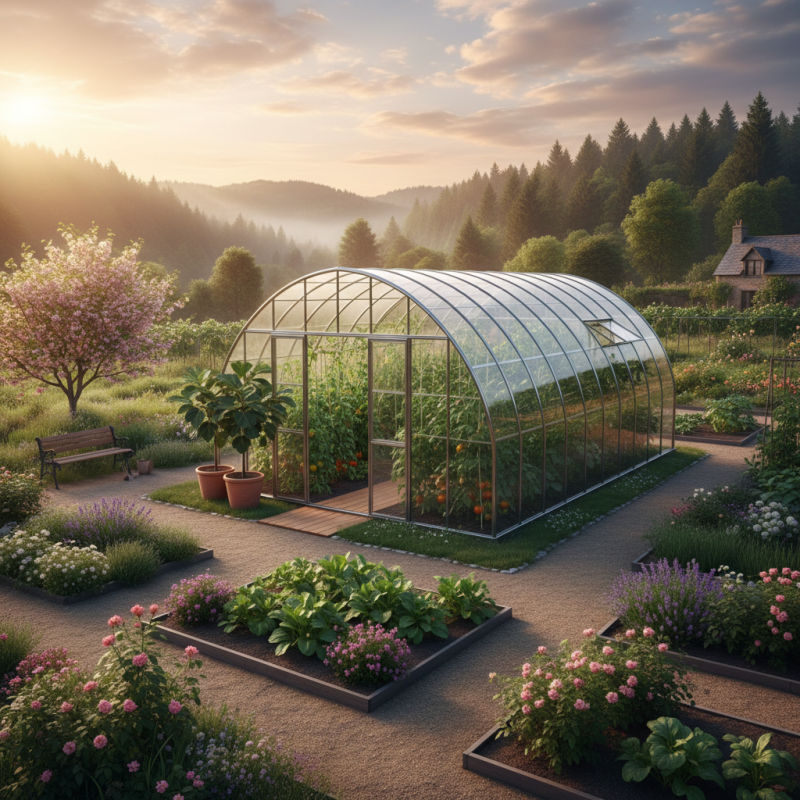
Gardening enthusiasts often seek the best solutions for their green spaces. One innovative option is the Arch Greenhouse. This structure not only offers practicality but also enhances aesthetics. Its unique design allows for optimal sunlight exposure, crucial for plant growth.
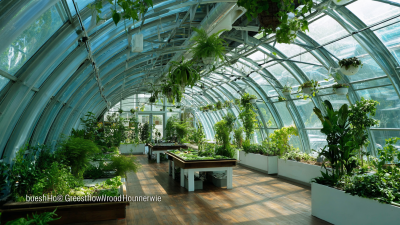
Many gardeners appreciate the spacious interior of an Arch Greenhouse. The high ceilings provide ample room for taller plants, preventing overcrowding. In cooler climates, these greenhouses help maintain consistent temperatures. However, some may struggle with the initial setup and cost. It’s essential to reflect on whether the benefits outweigh the challenges.
Moreover, Arch Greenhouses can be customized. You can choose different sizes to fit your available space. This flexibility is appealing, yet it requires careful planning to avoid potential mistakes. Overall, an Arch Greenhouse presents a compelling option for serious gardeners.
Benefits of Arch Greenhouses for Various Gardening Styles
Arch greenhouses have gained popularity among gardeners for a variety of reasons. One key benefit is their ability to provide efficient air circulation. According to a report by the National Gardening Association, proper air movement can improve plant health by reducing the risk of diseases. This shape allows hot air to escape easily, preventing overheating, especially during summer months.
Different gardening styles can also thrive in an arch greenhouse. Vegetables, flowers, and herbs all benefit from the controlled environment. A study conducted by the American Society for Horticultural Science noted that greenhouses could extend the growing season by an average of 30%. This is especially beneficial for regions with shorter growing seasons. The arch design maximizes sunlight exposure, allowing plants to absorb more light, which is essential for photosynthesis.
However, some gardeners face challenges with arch greenhouses. For instance, the structure may require a higher initial investment compared to traditional gardens. Furthermore, users must monitor temperature fluctuations closely. Some gardeners struggle to maintain optimal humidity levels as well. While the benefits are clear, these potential drawbacks should be considered carefully before making a decision. Understanding both perspectives is essential for ensuring successful gardening.
Structural Advantages of Arch Greenhouses Over Traditional Designs
Arch greenhouses offer several structural advantages that enhance gardening efficiency. Their unique curved design promotes better air circulation. According to a study by the Agricultural Research Service, increased airflow can reduce humidity levels by up to 30%. This is crucial in preventing mold and fostering healthy plant growth.
Moreover, the arched shape allows for maximum sunlight penetration. Sunlight can reach plants more evenly, contributing to higher photosynthesis rates. A report from the Horticultural Society indicates that greenhouses with curved structures achieve a 15% increase in plant growth compared to traditional designs. This aspect makes arch greenhouses an appealing option for those eager to maximize their yields.
However, they may not fit every gardener's needs. Some might find the curved walls limit vertical planting options. The initial setup can also be complex, requiring more time and effort than typical rectangular designs. It's essential to weigh these factors before choosing an arch greenhouse.
Climate Control and Environmental Benefits of Arch Greenhouses
Arch greenhouses offer unique advantages for gardeners. Their curved design promotes better air circulation. This feature helps maintain a stable temperature inside. Additionally, the shape reduces the impact of harsh weather. Rain and snow slide off easily, minimizing the risk of damage.
The environmental benefits are significant too. Arch greenhouses retain heat more effectively during colder months. This means less energy is needed for heating. They also allow maximum sunlight to penetrate, which fuels plant growth.
Efficient space usage is another advantage. You can grow more in a compact area. However, they can be challenging to ventilate properly. It’s essential to plan for sufficient airflow to avoid humidity issues.
Using an arch greenhouse requires a learning curve. Observing how your plants respond can guide adjustments. There’s always room for improvement in designs or setups. Each season brings new opportunities and challenges. Embracing the imperfections can lead to greater gardening success.
Cost-Effectiveness and Durability of Arch Greenhouses
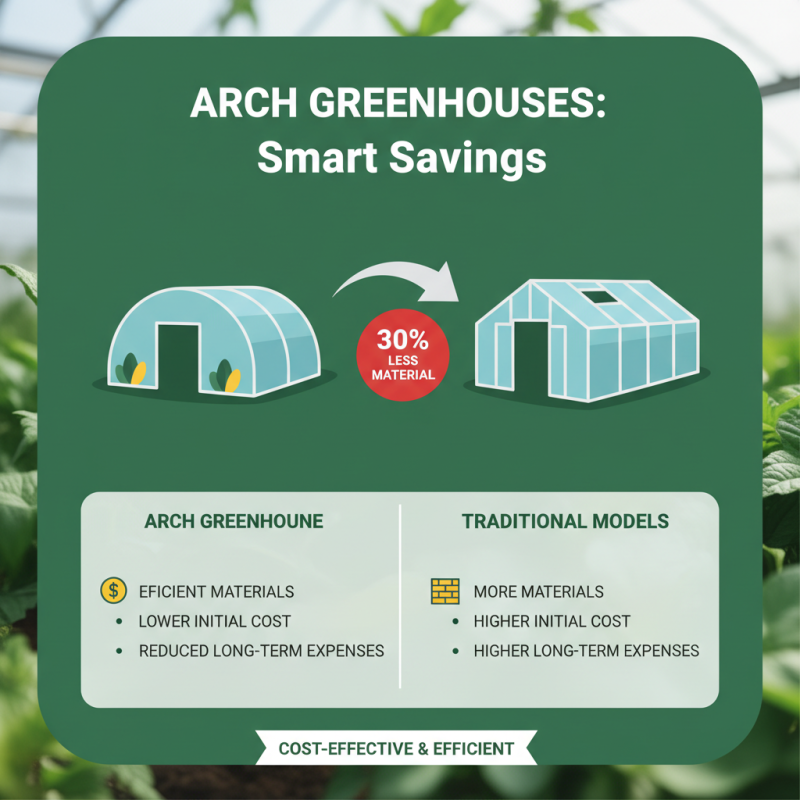
When considering a greenhouse, the cost-effectiveness of an arch greenhouse stands out. Arch greenhouses are known for their efficient use of materials. According to industry reports, they require up to 30% less building material than traditional models. This reduction not only cuts initial costs but also minimizes long-term expenses.
Durability is another critical factor. The unique shape of an arch greenhouse enhances its ability to withstand harsh weather conditions. Data from agricultural studies indicate these structures can endure wind speeds of up to 70 mph. This resilience reduces the frequency of repairs, further saving money over time.
However, choosing an arch greenhouse also requires careful consideration. Installation can be tricky for some. Improper setup may lead to structural issues, negating some of the durability benefits. Additionally, while these greenhouses can be a long-term investment, they may not suit every gardener's needs. It’s essential to assess individual gardening goals before making a decision.
Considerations for Choosing the Right Size and Location for Your Arch Greenhouse
Choosing the right size and location for your arch greenhouse is crucial for creating a thriving garden. Measure your available space carefully. An arch greenhouse can vary greatly in size. A smaller model may suit a balcony or small yard. Conversely, larger structures require ample land. Think about your future gardening plans as well. Will you grow vegetables, flowers, or exotic plants? This will influence your size choice.
Location is equally important. Check the sunlight exposure in your yard. Ideally, your greenhouse should receive at least six hours of sunlight daily. Avoid areas shaded by tall trees or buildings. Wind protection is also essential. A sturdy location can help shield your greenhouse from harsh weather. Remember to consider easy access for maintenance. Sometimes, we overlook the importance of placement. It can affect plant growth and accessibility quite a bit. Reflect on your options to find the best fit for your gardening needs.
Choosing the Right Size and Location for Your Arch Greenhouse