How to Build a Single Span Greenhouse for Your Garden Success?
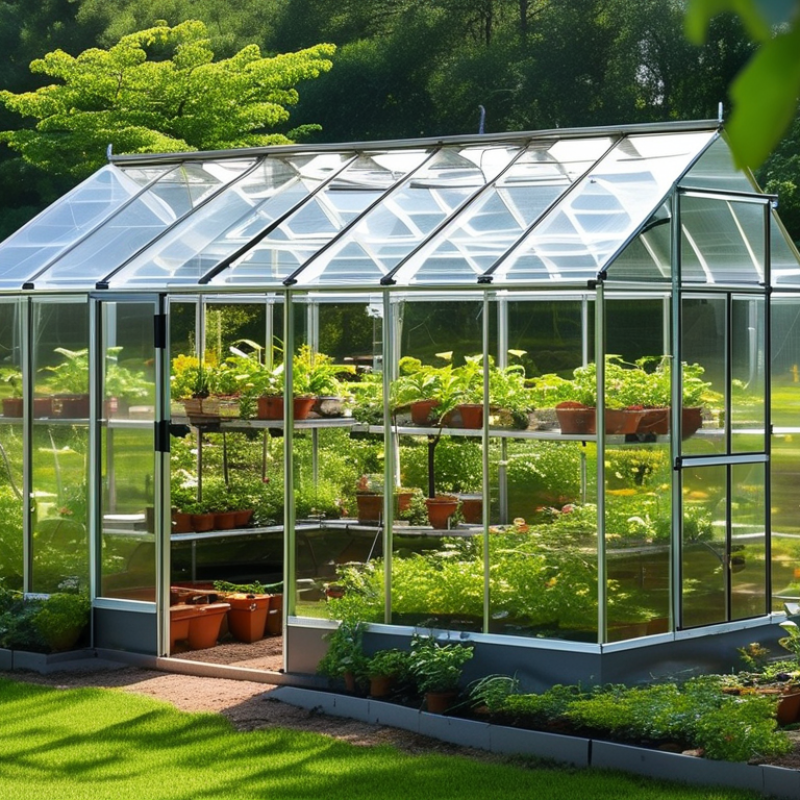
Building a Single Span Greenhouse can transform your garden. This structure offers essential benefits, ensuring your plants thrive. The design is simple yet effective, making it accessible for beginners.
A well-constructed Single Span Greenhouse provides excellent light distribution. It also supports better temperature regulation. These factors create an optimal environment for various plants. However, challenges might arise. Consider the local climate when planning.
Proper material selection is crucial. Using the right frame and covering can influence the greenhouse’s durability. Regular maintenance also matters. Small issues can lead to bigger problems if overlooked. Learning from mistakes is part of the journey. Embrace the process and adapt as needed.
Understanding the Benefits of Single Span Greenhouses for Home Gardens
Single span greenhouses offer numerous advantages for home gardeners. Their simple structure allows for easier temperature management. This design captures sunlight effectively, promoting healthy plant growth. With fewer obstacles in the way, plants receive uniform light. This can lead to fuller, more productive crops.
When constructing a single span greenhouse, remember to consider the orientation. Aligning it north to south can maximize light exposure. Ensure proper ventilation to prevent overheating. Install fans or vents for air circulation. Regular checks for moisture levels are essential. Overwatering or underwatering can hinder plant progress.
Building a single span greenhouse can be rewarding, but it does require attention to detail. Reflect on your growing techniques and adapt as necessary. Each season presents new challenges. Embrace learning from your experiences to improve your gardening methods.
Benefits of Single Span Greenhouses for Home Gardens
Choosing the Right Materials for Your Single Span Greenhouse Construction
Selecting the right materials for your single span greenhouse is crucial for optimal plant growth and durability. Traditional options, like glass and polycarbonate, provide excellent light transmission. Glass offers around 90% light penetration, promoting healthy plant development. However, it's heavier and more prone to breakage. Polycarbonate is lighter and provides good insulation, with about 80% light transmission, making it a popular choice.
Another aspect to consider is the frame. Aluminum and galvanized steel are common options due to their resistance to rust and weathering. A study from the American Society of Agricultural and Biological Engineers suggests that a robust frame can extend the structure's lifespan significantly. However, over time, some materials may warp or weaken, highlighting the need for regular inspections and maintenance.
Lastly, don’t overlook covering materials like polyethylene film. It's affordable and easy to replace but may last only a few years. In fact, reports indicate that it loses about 15% of its light transmission within its lifespan. Weighing the pros and cons of each material can help create a greenhouse that aligns with your gardening goals while ensuring you remain adaptable for future improvements.
Essential Design Considerations for Optimal Light and Ventilation
When designing a single span greenhouse, light and ventilation are crucial. The greenhouse should maximize sunlight. Consider the orientation. A southern exposure works best in most regions. This allows your plants to receive optimal sunlight throughout the day. Use transparent materials for the greenhouse structure. Clear polycarbonate sheets are effective. They balance light transmission with insulation.
Ventilation is equally important. Poor airflow can lead to humidity issues. Incorporate roof vents and side doors. Automated systems can help manage airflow based on temperature. Add shading options, like mesh covers. These adjustments can prevent overheating in the summer. Regularly monitor the conditions inside. If plants show signs of stress, reevaluate your ventilation design.
Building a greenhouse involves trial and error. Embrace the learning process. You might need to adjust your design based on plant responses. Don’t hesitate to seek advice when challenges arise. There’s always something new to learn in gardening. Each season presents opportunities for improvement. Take notes on what works and what doesn’t. This reflection can guide future designs.
Step-by-Step Construction Process for Building a Durable Greenhouse
Building a single-span greenhouse can be a rewarding project for any gardener. Start by selecting a suitable location in your yard. Look for a spot with good sunlight and natural drainage. Clear the area of debris, making sure the ground is level. Gather your materials: sturdy framing lumber, clear plastic sheeting, and anchoring tools.
Begin constructing the frame by creating a simple truss design. This will provide stability and strength for the structure. Use screws, not nails, for better durability. Once the frame is up, secure it to the ground. Attach the plastic sheeting to the frame, ensuring it is taut but not overly stretched. Pay close attention to the edges; this is crucial for preventing leaks and wind damage.
Consider ventilation options to control humidity inside the greenhouse. Use simple mechanisms like sliding windows or vents. Reflect on your design as you go; adjustments may be needed. Some experienced gardeners suggest keeping it simple, but don’t hesitate to experiment with your layout. Building a greenhouse is a journey filled with learning opportunities. Each decision contributes to your successful gardening experience.
Effective Climate Control Techniques for Successful Plant Growth in Greenhouses
Creating a thriving greenhouse requires careful climate control.
Temperature is a critical factor.
Too hot or too cold can stress plants. It's essential to monitor daily temperatures and adjust as needed.
Use thermostats to maintain a stable environment. Aim for a consistent temperature range tailored to your plants’ needs.
Humidity levels also play a vital role in plant health.
High humidity can lead to mold, while low humidity can cause wilting. Regularly check humidity with a hygrometer.
Adding misting systems or fans can help manage levels. Natural ventilation is key.
Opening vents during warm afternoons allows fresh air to circulate.
Lighting conditions are another consideration.
Too much direct sun can scorch plants. Conversely, inadequate light can stunt growth. Position shade cloths or blinds to filter sunlight.
However, be wary of over-shading. Some plants thrive in higher light conditions.
Always assess growth results and adjust your strategies for a more successful greenhouse experience.