How to Build an Intelligent Greenhouse for Optimal Growth?
As agriculture evolves, the need for precision becomes clear. The concept of the "Intelligent Greenhouse" emerges as a vital solution. According to a recent report by Grand View Research, the global smart greenhouse market is projected to reach $1.3 billion by 2025, highlighting its rapid growth. These structures integrate technology, enhancing plant cultivation through automated systems.
Farmers face challenges such as climate variability and resource scarcity. Intelligent Greenhouses address these issues by using sensors and data analytics to create optimal environments. For instance, temperature and humidity controls are crucial. Yet, many traditional practices may conflict with these advanced methods, leading to a need for reevaluation.
The role of artificial intelligence in greenhouse farming cannot be overlooked. Studies suggest that AI can increase crop yields by up to 30%. However, the integration process may encounter obstacles, such as costs or technical training. Reflecting on these aspects is essential for future developments in sustainable agriculture. Intelligent Greenhouses offer hope but demand careful consideration and adaptation.
Understanding the Concept of an Intelligent Greenhouse
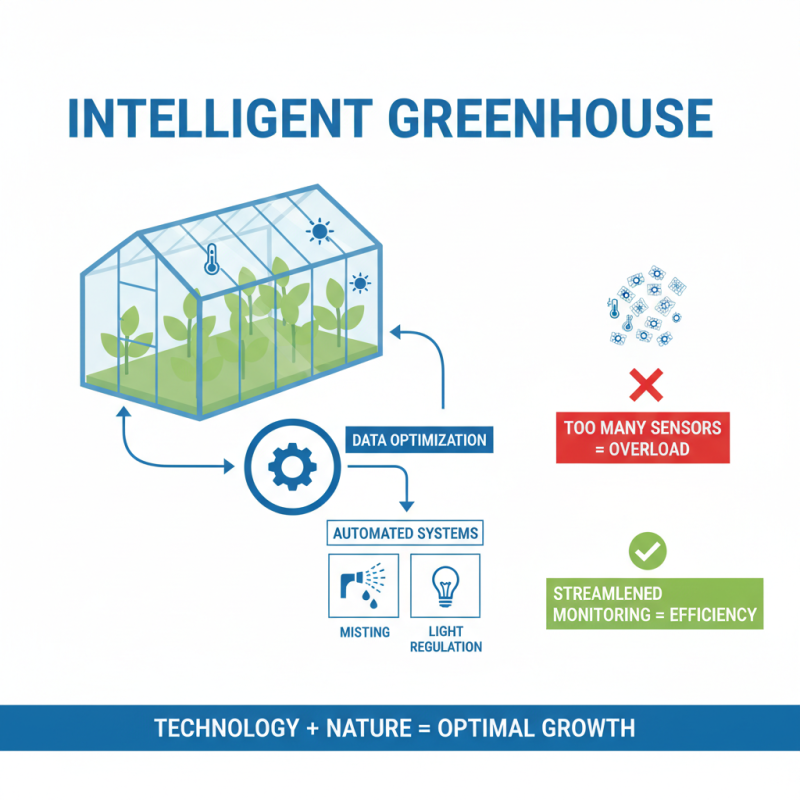
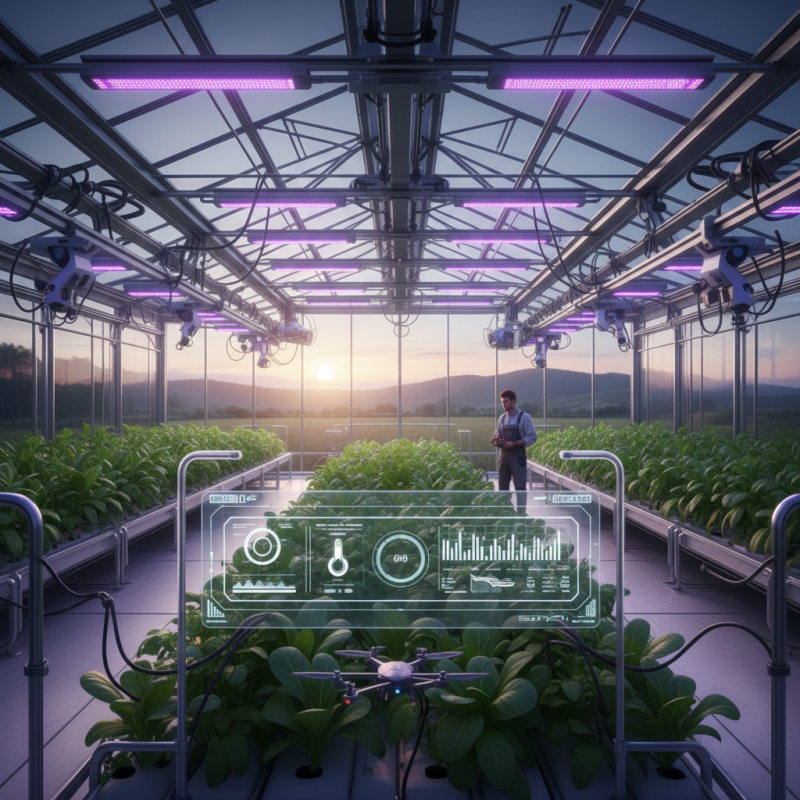
An intelligent greenhouse merges technology with nature. Sensors play a vital role in monitoring temperature, humidity, and light levels. By using these data points, gardeners can optimize conditions for plant growth. For instance, when humidity levels dip, automated systems can trigger misting mechanisms. This way, plants receive the hydration they need without human intervention. However, too many sensors can lead to information overload. It's essential to streamline what is monitored.
Automation allows for precise watering schedules. Irrigation systems can be adapted based on real-time soil moisture data. Yet, this requires careful calibration. Overwatering can harm plants just as much as underwatering. Gardeners must continuously evaluate these settings for efficiency. Sometimes, technology fails. A sensor might malfunction or readings can be inaccurate. It's crucial to maintain a balance between reliance on devices and intuitive gardening.
Understanding the concept of an intelligent greenhouse also means acknowledging outside factors. Weather forecasts influence how systems operate. A sudden cold snap can catch even the best technology off guard. Ultimately, an intelligent greenhouse is a dynamic environment. Growth depends on adaptability and constant learning from both successes and failures.
Key Components for an Intelligent Greenhouse Design
Designing an intelligent greenhouse involves understanding its key components. These components work together to enhance plant growth and increase efficiency. Temperature control is crucial. A study by the Agricultural Research Service highlights that optimal temperature can boost plant yield by 15%. Controlling humidity levels is just as important. Keeping humidity between 50-70% can prevent diseases and promote healthy plant growth.
Lighting systems play a vital role. Automated LED systems can provide the right spectrum for photosynthesis. According to the Journal of Horticultural Science, using the right light can increase growth rates by 20%. Soil sensors and smart monitoring technologies provide essential data. These help track vital metrics like soil moisture and nutrient levels.
Tips: Regularly check your sensors. Calibration issues can lead to inaccurate readings. Additionally, always analyze data trends instead of isolated readings. This offers better insights into your greenhouse's performance. Remember, even smart systems require human oversight. Don't rely solely on technology; the best results come from collaboration between data-driven insights and hands-on care. Prioritize regular inspections and maintenance. They may seem tedious, but they prevent larger issues down the line.
How to Build an Intelligent Greenhouse for Optimal Growth? - Key Components for an Intelligent Greenhouse Design
| Component |
Description |
Benefits |
Cost (Estimated) |
| Automated Irrigation System |
A system that automatically waters plants based on moisture levels. |
Saves water, reduces labor, improves plant health. |
$500 - $2,500 |
| Climate Control System |
Includes heating, cooling, and ventilation to maintain optimal temperatures. |
Enhanced growth rates, energy efficiency, improved crop yield. |
$1,000 - $5,000 |
| Smart Lighting |
LED grow lights that adjust based on plant needs and light levels. |
Optimal light spectrum, energy savings, longer growth period. |
$300 - $2,000 |
| Sensors and Monitoring |
Sensors to monitor temperature, humidity, and soil nutrients. |
Real-time data, better decision making, disease prevention. |
$200 - $1,000 |
| Data Analysis Software |
Analyzes data gathered from sensors for actionable insights. |
Improved efficiency, predictive maintenance, optimized yield. |
$500 - $3,000 |
Utilizing Sensor Technology for Optimal Growing Conditions
Creating an intelligent greenhouse requires careful consideration of sensor technology. Sensors can monitor vital parameters like temperature, humidity, and light. This real-time data helps maintain optimal conditions for plant growth. By adjusting the environment based on sensor feedback, plants can thrive.
Integration of different sensors can be challenging. For example, choosing the right types of sensors for specific plants may take trial and error. Some sensors might not be sensitive enough, leading to suboptimal conditions. Over-reliance on technology can be risky. If a sensor malfunctions, it might cause more harm than good.
Moreover, data analysis plays a crucial role. Simply gathering data is not enough. Understanding the data trends takes experience and time. There’s often a gap between sensor readings and practical adjustments. This area needs further exploration and thought. Continuous adjustments can lead to better results, but it requires patience and effort. Implementing sensor technology is a journey, not a destination.
Optimal Growth Conditions in an Intelligent Greenhouse
Integrating Automation Systems for Efficient Management
Integrating automation systems in greenhouses can optimize growth while managing resources efficiently. Research shows that smart greenhouses can increase crop yield by up to 30%. Automation helps monitor climate, soil moisture, and nutrient levels in real-time. Sensors collect data, adjusting the environment for optimal growth conditions.
However, not all systems are perfect. Some farmers report system failures or inaccuracies in data readings. Malfunctioning automation can lead to overwatering or insufficient light exposure. This can negatively impact plant health and yield. Regular checks and system updates are crucial.
On the bright side, automation reduces labor costs significantly. According to the International Society for Horticultural Science, automated systems can lower labor needs by 50%. Yet, it's vital to ensure that initial investment in technology is appropriately planned. Striking the right balance between cost and benefits requires careful consideration.
Sustainable Practices in Intelligent Greenhouse Operations
Creating an intelligent greenhouse goes beyond high-tech solutions.
Sustainable practices are key to success. For instance, rainwater harvesting systems capture natural rainfall.
This reduces reliance on municipal water. Additionally, using advanced sensors helps
monitor humidity and temperature levels. This allows for real-time adjustments.
Incorporating renewable energy is also vital.
Solar panels can provide power for lighting and heating. However, these systems can be costly and complicated.
Many growers struggle with installation and maintenance. It is worth considering local conditions before making these investments.
Using organic materials in the greenhouse is another important practice.
Composting kitchen scraps reduces waste and enriches soil. Yet, not all organic waste is suitable.
Experimentation may lead to unexpected challenges.
Balancing sustainability with profitability is an ongoing task. An intelligent greenhouse should reflect a commitment to eco-friendly practices.
Each decision impacts the environment and the plants' health.