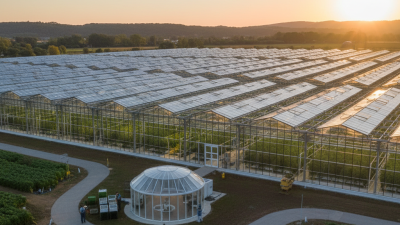
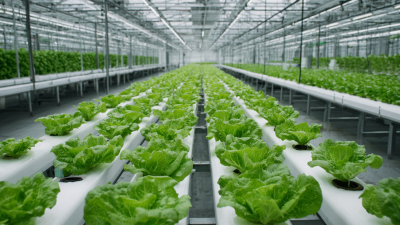
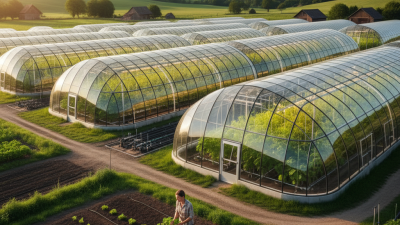
How to Build a Hydroponic Greenhouse for Maximum Yield?
Hydroponic greenhouses are transforming agriculture. They allow for year-round crop production without soil. According to a report by MarketsandMarkets, the hydroponics market is projected to grow to $16 billion by 2026. This growth reflects the increasing demand for fresh produce and sustainable farming practices.
Dr. Jane Smith, a leading hydroponic expert, states, “Hydroponic greenhouses can yield up to 10 times more produce per square foot than traditional farming.” This impressive statistic highlights the potential of these systems. However, building an effective hydroponic greenhouse requires careful planning and consideration. One must account for variables such as water management, nutrient delivery, and climate control.
While the benefits are significant, many face challenges. Some common issues include high initial investment costs and the need for ongoing maintenance. Thus, before diving into this venture, it’s essential to reflect on personal goals and resource availability. A well-thought-out approach can lead to a successful hydroponic greenhouse operation that maximizes yield.
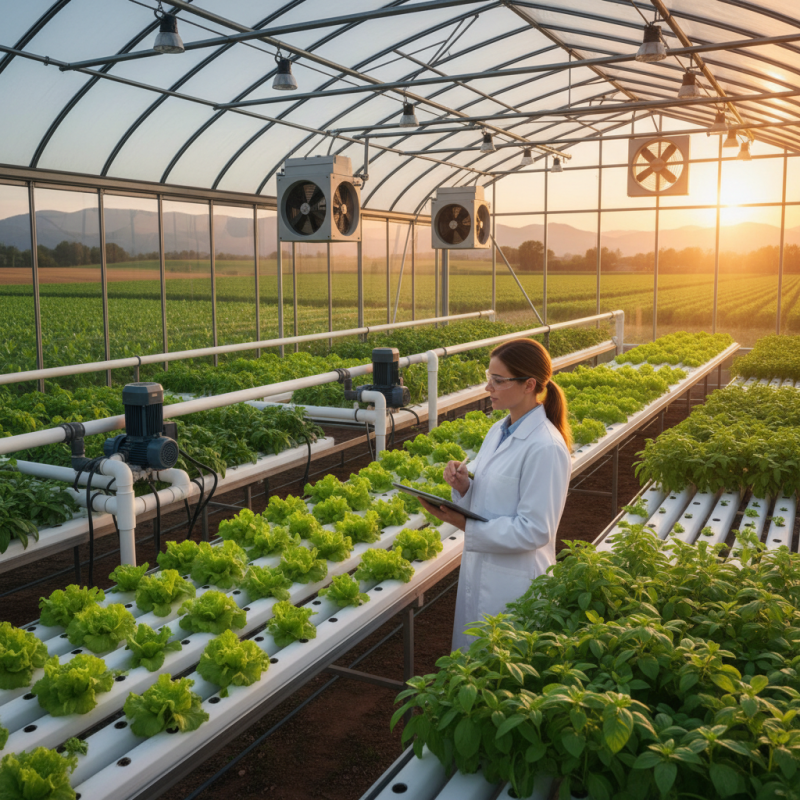
Choosing the Right Location for Your Hydroponic Greenhouse
Choosing the right location for your hydroponic greenhouse is crucial for success.
Sunlight is the primary factor. A location that receives at least six hours of direct sunlight each day is ideal.
Consider placing your greenhouse near large trees or buildings that could cast shadows. This may limit light and affect plant growth.
Next, think about access to water. Hydroponic systems require a steady supply of water. If your location has a nearby water source, that’s beneficial.
Additionally, evaluate the winter temperatures in your area. Hydroponics can work well in varied climates, but extreme cold can damage plants.
Insulating your greenhouse may be necessary.
Air circulation is another vital factor often overlooked. Stale air can impact plant health.
If you find your chosen spot too enclosed, consider adding ventilation options. Analyze your space for potential wind blocks.
Finally, reflect on your future expansion needs. A cramped space might not support additional systems later. Always plan with potential growth in mind.
Understanding Hydroponic Systems and Their Benefits
Hydroponic systems are revolutionizing agriculture. They allow plants to grow without soil, using nutrient-rich water instead.
A study from the National Agronomic Institute revealed that hydroponic methods can yield
30-50% more produce than traditional farming within the same space.
This efficiency is crucial, especially as urbanization increases and arable land diminishes.
One of the key benefits of hydroponics is water conservation. It uses about
90% less water than soil farming. A report by the Food and Agriculture Organization indicates that
the global population could reach 9.7 billion by 2050. Efficient water use will be essential in feeding
this growing population. However, the initial setup costs can be high. Many individuals may hesitate to invest due to concerns about long-term returns.
Moreover, hydroponic systems are less prone to diseases that impact soil-grown crops. However, they are not without challenges.
Managing nutrient levels can be tricky, requiring constant monitoring. Beginners often face a steep learning curve.
Yet, with practice and patience, the potential rewards are significant. By leveraging hydroponics, we can create a sustainable future for food production.
Designing the Greenhouse Structure for Optimal Light and Space
Designing a hydroponic greenhouse requires careful consideration of light and space. Natural light is crucial for plant growth. Studies suggest that using translucent greenhouse materials can optimize light exposure by up to 30%. This means your plants can photosynthesize more effectively, leading to higher yields.
Space is another key factor. An overcrowded greenhouse can lead to poor air circulation. Plants need room for roots to grow and to avoid competition for nutrients. Ideal spacing can enhance airflow and minimize the risk of diseases. According to a report from the National Agricultural Statistics Service, well-spaced plants can yield 20% more produce compared to those crowded together.
Choosing the right layout is essential as well. A rectangular design may maximize space efficiency, while circular layouts can promote better light distribution. Structures should also account for height; vertical growing systems can utilize upward space effectively. However, a higher design can complicate access for maintenance. It's important to weigh these factors when planning your greenhouse. Regular evaluation of your layout can reveal areas for improvement.
How to Build a Hydroponic Greenhouse for Maximum Yield?
| Dimension |
Value |
| Greenhouse Size |
20 ft x 40 ft |
| Grow Bed Area |
600 sq ft |
| Light Type |
LED Grow Lights |
| Water Consumption |
10 gallons per day |
| Nutrient Solution Type |
Hydroponic Nutrients A & B |
| Average Yield |
2 lbs per sq ft |
| Temperature Range |
70°F to 85°F |
| Humidity Level |
50% to 70% |
Selecting Appropriate Hydroponic Nutrients and Growing Mediums
Selecting appropriate hydroponic nutrients and growing mediums is crucial for maximizing yield in a hydroponic greenhouse. Nutrient solutions must be carefully formulated to provide essential elements like nitrogen, phosphorus, and potassium. These macronutrients support healthy plant growth. Research indicates that optimal nutrient ratios can increase yield by up to 30%. However, incorrect concentrations can lead to nutrient deficiency or toxicity. Regular monitoring of nutrient levels is necessary for successful growth.
Growing mediums play a vital role in hydroponics. Options like coconut coir, rock wool, and clay pellets have unique properties. For instance, coconut coir retains moisture well while offering adequate aeration. It can enhance root health and overall plant performance. However, coir might require additional calcium and magnesium. On the other hand, rock wool can lead to over-watering if not monitored vigilantly. The decision on growing medium should align with specific crop needs and individual grower preferences.
Choosing the right combination of nutrients and mediums is both an art and science. It demands constant learning and adjustment. While data can guide growers, real-world applications often display unexpected results. Each hydroponic system presents its challenges and rewards, making it essential to remain adaptable. The journey involves trial and error, with every yield educating growers on improving future crops.
Hydroponic Nutrient Uptake Rates