How to Build a Blackout Greenhouse for Optimal Plant Growth?
Creating a successful Blackout Greenhouse involves understanding light manipulation. Renowned horticulturist Dr. Jane Smith emphasizes, "Light is crucial for plant health." This highlights why blackout techniques are essential.
A Blackout Greenhouse effectively blocks sunlight during specific periods. This method can enhance growth cycles for certain plants. However, it's important to find the right balance. Too little light can hinder growth, leading to unexpected results.
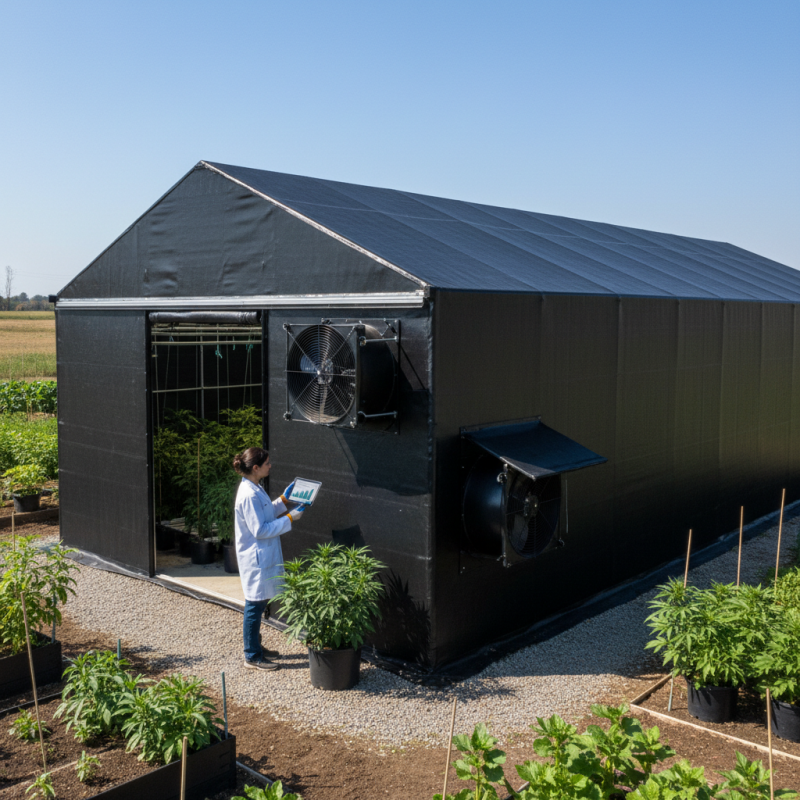
Investing in the right materials is key. Use durable blackout fabric to ensure complete darkness. Ensure proper ventilation to prevent overheating. Reflecting on past attempts can also provide insights. Many believe all plants need constant light, but even the hardiest varieties can benefit from darkness. Understanding this can lead to better outcomes.
Choosing the Right Location for Your Blackout Greenhouse
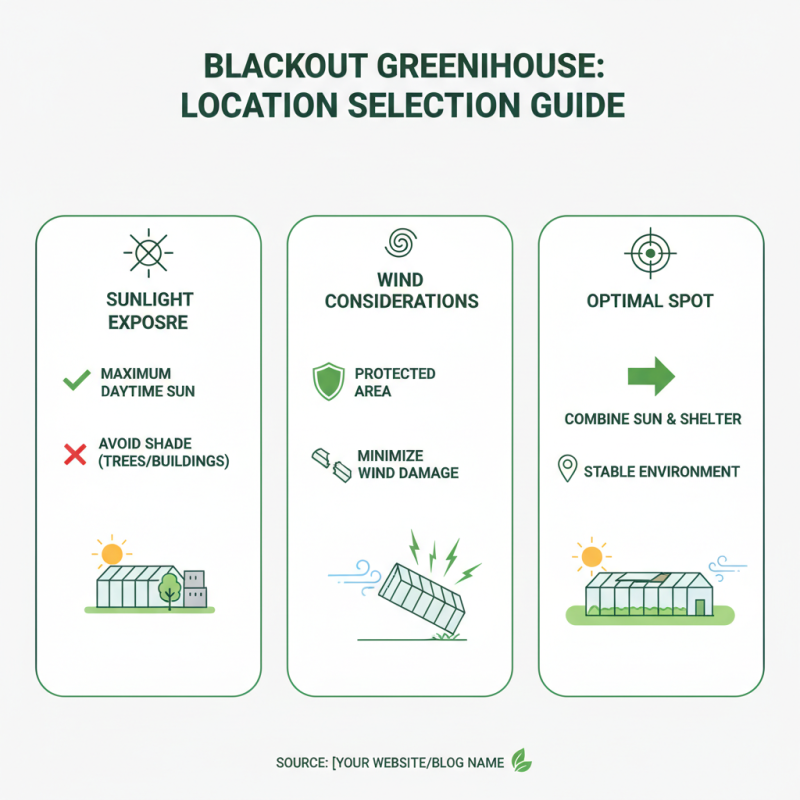
Choosing the right location for your blackout greenhouse is crucial. It should receive enough sunlight during the day, even if you plan to block it out. Look for an area with minimal shade from trees or buildings. Also, consider wind patterns in your chosen spot. A location that is too windy may damage your structure.
Ground conditions matter too. Ensure the site has good drainage to prevent flooding. Wet soil can harm your plants. You might need to amend the soil before building. Also, keep an eye out for nearby pests. Some locations may attract more bugs. Reflect on whether you can manage these challenges effectively.
Accessibility is another factor. You should be able to reach the greenhouse easily. This simplifies maintenance tasks like watering and harvesting. Consider how far it is from your home. If it's too distant, you might neglect it. Pay attention to any potential noise disturbances. A quiet environment helps in focusing on your plants' growth.
Essential Materials and Tools for Building a Blackout Greenhouse
Building a blackout greenhouse requires specific materials and tools to ensure optimal conditions for plant growth. You’ll need sturdy frames, typically made from wood or metal. These materials provide structure and stability. Additionally, blackout film or thick tarps create the necessary darkness. They block out light, ideal for certain plants that thrive in low-light conditions.
Tools are also essential for the construction process. A drill and screws will help assemble the frame securely. A tape measure ensures accurate dimensions, while a level helps maintain balance. Adequate ventilation is crucial. So, consider incorporating vents or small fans. This setup can prevent heat buildup. Don’t forget basic safety gear. Gloves and goggles will protect you while working.
While the idea of creating a blackout greenhouse is exciting, challenges may arise. You may find that your initial design doesn’t hold up against strong winds. Adjustments might be needed to reinforce weak points. Air circulation could become an issue, too. Testing various solutions will lead to better results. Reflecting on these difficulties can enhance your overall design.
Plant Growth Comparison in Blackout Greenhouse vs. Regular Greenhouse
Step-by-Step Construction Process for Your Greenhouse
Building a blackout greenhouse can significantly enhance your plant growth. This construction requires careful planning and execution. Start by selecting a suitable location with ample sunlight and protection from harsh winds. Measure the space accurately for your greenhouse dimensions.
Next, gather your materials. You’ll need PVC pipes or wood for the frame, as well as blackout fabric for the covering. Tips: Use sturdy supports to prevent collapse. It's wise to get extra materials in case of errors. Securely attach the blackout fabric to the frame. Make sure there are no gaps to allow light in.
Ventilation is crucial. Incorporate small windows or vents. They should be easy to open and close. This helps in regulating temperature. Remember to think about water access, too. Tips: Consider a rainwater collection system for sustainability. Monitor the greenhouse after construction. Watch for places that need adjustment or reinforcement. Testing different setups will lead to the best results for your plants.
How to Build a Blackout Greenhouse for Optimal Plant Growth
| Dimension |
Description |
Materials |
Cost Estimate ($) |
| Length |
20 feet |
Wood, nails |
$150 |
| Width |
10 feet |
Wood, brackets |
$80 |
| Height |
8 feet |
PVC pipes |
$50 |
| Roof Material |
Opaque film |
Blackout plastic |
$100 |
| Foundation |
Concrete blocks |
Cement, blocks |
$200 |
| Ventilation |
Passive vents |
Venting material |
$40 |
Implementing Effective Light Control Mechanisms
Creating a blackout greenhouse is about achieving the right light balance. Effective light control is crucial for optimal plant growth. The first step involves selecting the appropriate materials. Use blackout fabric or shade cloth to limit light exposure. This prevents plants from becoming leggy. It also helps maintain consistent temperatures within the greenhouse.
Ventilation plays a key role in managing light. Windows and vents must be strategically placed. If not, plants may suffer from inadequate airflow. This can lead to mold or poor growth. Consider using automated shading systems. They can adjust light levels throughout the day. However, setting them up requires careful planning.
Monitoring light levels is essential. Use light meters to track exposure. Plants have varying light needs. Too much light can harm sensitive species. On the flip side, not enough can stunt growth. Regular adjustments may be necessary based on seasonal changes. Reflect on what works best for your plants. Experimentation is part of the process.
Maintaining Optimal Conditions for Plant Growth in the Greenhouse
Creating a blackout greenhouse can enhance plant growth by regulating light exposure. However, maintaining optimal conditions is crucial. Plants need the right balance of light, temperature, and humidity. Too much or too little of any factor can lead to stress.
Tips: Monitor temperature closely. Ideal temperatures can vary by plant type, but most thrive between 70-80°F during the day. Use thermometers to track changes. Also, check humidity levels. Aim for 50-70% humidity for most plants. Too low or high humidity can affect growth rates.
Proper ventilation is key. Stale air can foster diseases. Open vents or use fans to ensure airflow. Make sure to adjust ventilation based on external weather. On hot days, it’s easy to overlook this.
Light is another critical factor. Blackout materials prevent excess sunlight but can create darkness too. Consider using supplemental grow lights to ensure plants receive adequate light. Choosing the right spectrum is important for growth stages. Balance is important, and plants will show signs when conditions aren't right.