2026 Best Light Deprivation Greenhouse Solutions for Growers?
In the evolving world of agriculture, the "Light Deprivation Greenhouse" has gained significant attention from growers. This innovative solution allows for better control over light exposure, crucial for optimal plant growth. With this method, cultivators can mimic seasonal changes and enhance yield potential.
Investing in the right light deprivation system can be challenging. Many factors influence the choice, including geographical location, crop type, and budget constraints. Growers must evaluate various solutions to find what works best for their unique conditions. Each greenhouse design carries its strengths and weaknesses. Understanding these details can lead to better decisions.
Moreover, as technology progresses, new solutions continuously emerge. The landscape for light deprivation systems will likely evolve further by 2026. Growers must stay informed to adapt to these changes. Sharing experiences and insights within the community enhances reliability and cultivates knowledge. Ultimately, successful cultivation hinges on informed choices in deploying light deprivation strategies.
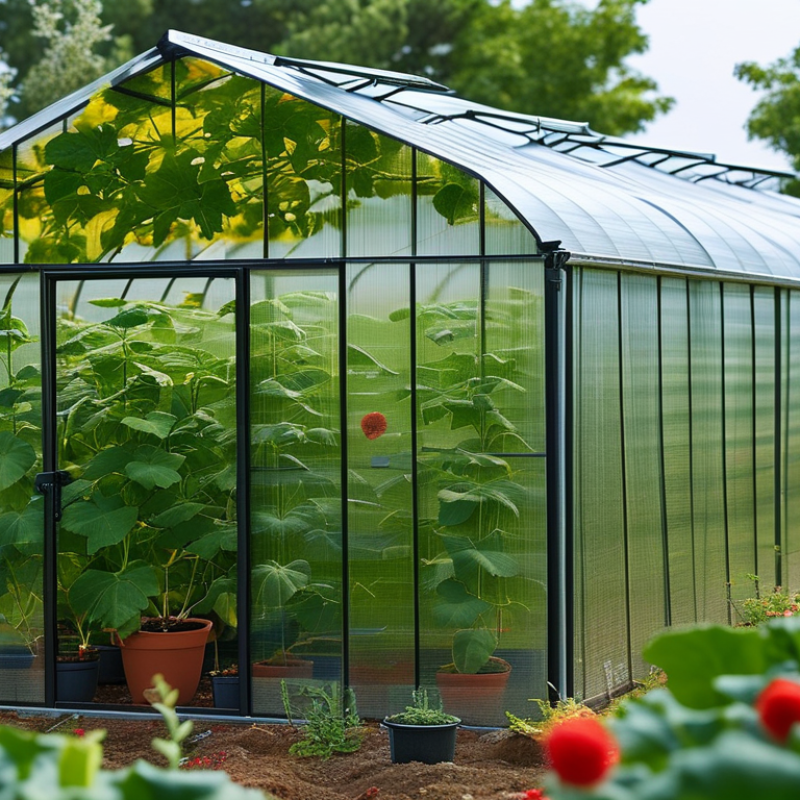
2026 Light Deprivation Greenhouse Trends in Controlled Environment Agriculture
The trend of light deprivation greenhouses is gaining momentum in controlled environment agriculture. According to a report by MarketsandMarkets, the global market for greenhouse technology is expected to grow from $24.4 billion in 2021 to $37.9 billion by 2026. This trend highlights the increasing preference for methods that optimize growth cycles and resource efficiency.
One of the exciting developments in light deprivation technology is the use of blackout systems. These systems can manipulate light exposure, encouraging plants to flower at specific times. This capability allows growers to maximize yield and improve quality. Studies indicate that light deprivation can lead to a 20-30% increase in production during certain seasons. However, growers must be cautious. Incorrect timing or system failures can lead to crop issues, affecting marketability.
As the industry evolves, growers are also facing challenges. The initial investment in high-quality systems can be substantial. Additionally, improper maintenance may lead to inefficiencies. Growers must balance innovation with practical knowledge. They must consider factors like climate, crop type, and energy consumption. Taking a holistic view will be essential as the market shifts towards more sustainable practices in greenhouse farming.
Key Features of Advanced Light Deprivation Systems for Commercial Growers
When it comes to light deprivation greenhouses, commercial growers seek effective solutions tailored to their needs. Advanced light deprivation systems can significantly enhance crop yield and quality. These systems often employ high-quality blackout materials to ensure complete darkness during light-sensitive growth stages. A tight seal is crucial to prevent any light leakage.
Temperature control is another key feature. Systems equipped with adjustable ventilation and cooling allow growers to maintain optimal conditions. Such precision helps plants thrive, especially during warmer months. Automation plays a vital role too, as timers and sensors ensure consistent light cycles without manual intervention.
However, it's important to recognize potential challenges. Not all growers may be familiar with the technology. Training and resources are essential for proper implementation. Light deprivation methods require careful planning and execution. Each grower’s environment is unique, so finding the perfect system is often a journey of trial and error. This exploration helps fine-tune the components that work best for specific crops.
Comparative Analysis of Light Deprivation Techniques: Efficiency and Yield
Light deprivation techniques have become essential for growers aiming to optimize plant yield and efficiency. Ideal for various crops, these methods manipulate light exposure to influence flowering cycles. One common technique involves the use of blackout tarps that cover the greenhouse. This approach can be effective, but it requires careful management to prevent light leakage. Light leaks can disrupt the desired dark period, negatively impacting the plants’ growth.
Another technique involves the use of automated shading systems. These advanced systems can adjust based on time of day and weather conditions, ensuring consistent darkness. However, they can be costly and might not be accessible for all growers. Efficiency also hinges on local climate. Growers in regions with abundant sunlight often face challenges related to heat and humidity. Balancing light deprivation with proper ventilation is crucial. A poorly ventilated greenhouse can lead to excessive temperature, affecting the plants’ overall health.
Evaluation of these techniques must include personal experience and local conditions. What works well for one grower may not yield the same results for another. Understanding the specific needs of crops is essential for success. As techniques evolve, ongoing research and testing are vital. Growers must stay informed and adapt to shifts in technology and environmental factors. This continuous learning process is fundamental in the ever-changing world of agriculture.
Impact of Climate and Location on Light Deprivation Greenhouse Performance
When considering light deprivation greenhouses, climate and location play critical roles in their effectiveness. Different regions experience varying sunlight hours, humidity, and temperature ranges. Growers in sunny areas may enjoy longer light cycles, while those in cloudier climates face challenges. Understanding your local climate can help you design a more effective greenhouse.
Tips: Invest in climate sensors. These can provide real-time data on temperature and humidity. Use this information to adjust your greenhouse environment efficiently. Remember, what works for one region may not suit another.
Location also impacts the type of light deprivation system you use. For example, greenhouses in humid regions might require better ventilation systems to prevent mold. In contrast, arid areas may need enhanced shading to reduce extreme heat. Consider your specific conditions carefully.
Tips: Regularly assess your greenhouse setup. Are the materials holding up against local weather? Continuous evaluation helps you adapt and improve, ensuring optimal growth for your plants.
Impact of Climate and Location on Light Deprivation Greenhouse Performance
Regulatory Considerations for Light Deprivation Greenhouses in Different States
Light deprivation greenhouses are increasingly popular among growers. These structures help control light exposure, enhancing plant growth. However, regulations surrounding these greenhouses can vary significantly from state to state. Each region has specific guidelines that growers must follow.
In California, for example, there are strict zoning and environmental regulations. Growers need to ensure that their greenhouses do not disrupt local ecosystems. Arizona, on the other hand, offers more lenient regulations but may require water usage assessments. It's crucial for growers to familiarize themselves with local laws. Ignoring these can lead to fines or permit denials.
Furthermore, how one designs their greenhouse impacts compliance with regulations. A well-planned structure can ease the approval process. However, mishaps can occur. Using improper materials or failing to consider local wildlife can pose challenges. Reflecting on these aspects can help in creating a more compliant and efficient greenhouse.
2026 Best Light Deprivation Greenhouse Solutions for Growers
| State |
Regulatory Status |
Optimal Conditions |
Popular Techniques |
Average Yield (lbs/SqFt) |
| California |
Legal |
25°C - 30°C, 20% Humidity |
Roll-Up Sides, Light Deprivation Tarps |
0.75 |
| Colorado |
Legal |
20°C - 25°C, 30% Humidity |
Automated Ventilation, Shade Cloth |
0.65 |
| Oregon |
Legal |
22°C - 27°C, 40% Humidity |
Adjustable Light Deprivation, Thermo-Reflective Covers |
0.70 |
| Nevada |
Legal |
30°C - 35°C, 15% Humidity |
Full Spectrum LED Lights, Watering Automation |
0.80 |
| Michigan |
Legal |
20°C - 25°C, 50% Humidity |
Induction Lighting Systems, Climate Control Systems |
0.60 |