Best Light Deprivation Greenhouse Solutions for Global Buyers?
In recent years, the demand for Light Deprivation Greenhouse solutions has surged among global buyers. According to the latest industry report by MarketsandMarkets, the greenhouse market is projected to reach $38.7 billion by 2025. This growth is largely driven by the need for innovative agricultural solutions that enhance product quality and maximize yields.
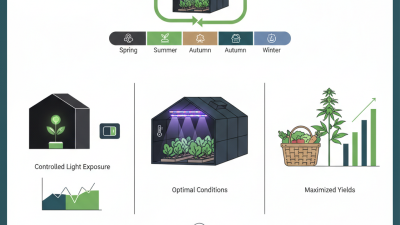
Light deprivation technology allows growers to control light exposure during critical growth stages. This enables them to optimize plant development and achieve multiple harvests annually. However, implementing these solutions can be complex and costly. It’s essential for buyers to evaluate different systems and assess their specific operational needs.
While many greenhouse solutions claim superiority, the reality often reveals gaps in performance and efficiency. Urban agriculture and sustainability push the boundaries of traditional practices. Buyers must navigate these challenges with caution. Access to reliable information and expert consultation is crucial for successful investment in Light Deprivation Greenhouses.
Understanding Light Deprivation Greenhouses and Their Importance
Light deprivation greenhouses are becoming crucial in modern agriculture. They provide control over light exposure, enabling year-round growing. According to a report by Grand View Research, the global light deprivation greenhouse market is projected to reach $2.3 billion by 2027. This growth reflects their rising importance in optimizing crop yields.
These greenhouses allow growers to manipulate light cycles, simulating seasonal changes. Such precise adjustments can lead to higher-quality plants and increased harvests. A study from the University of Georgia showed that controlled light exposure can increase yields by up to 30%. However, effective implementation requires careful planning and investment in quality infrastructure.
**Tips:** When investing in a light deprivation greenhouse, consider the materials used for shading. Different fabrics can affect light penetration. Ensure your greenhouse design includes an automated shading system to maximize efficiency. Regular assessments can help identify potential issues, allowing you to maintain optimal growing conditions effectively.
Key Features to Consider When Choosing Light Deprivation Solutions
Choosing the right light deprivation greenhouse solution requires careful consideration. Several key features can impact plant growth and production quality. Industry reports suggest that up to 75% of growers cite light control as a top priority. This highlights the importance of effective light deprivation systems.
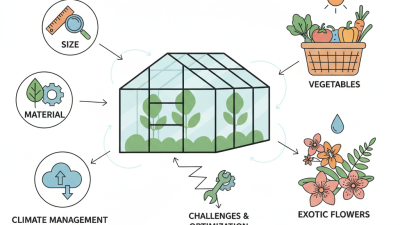
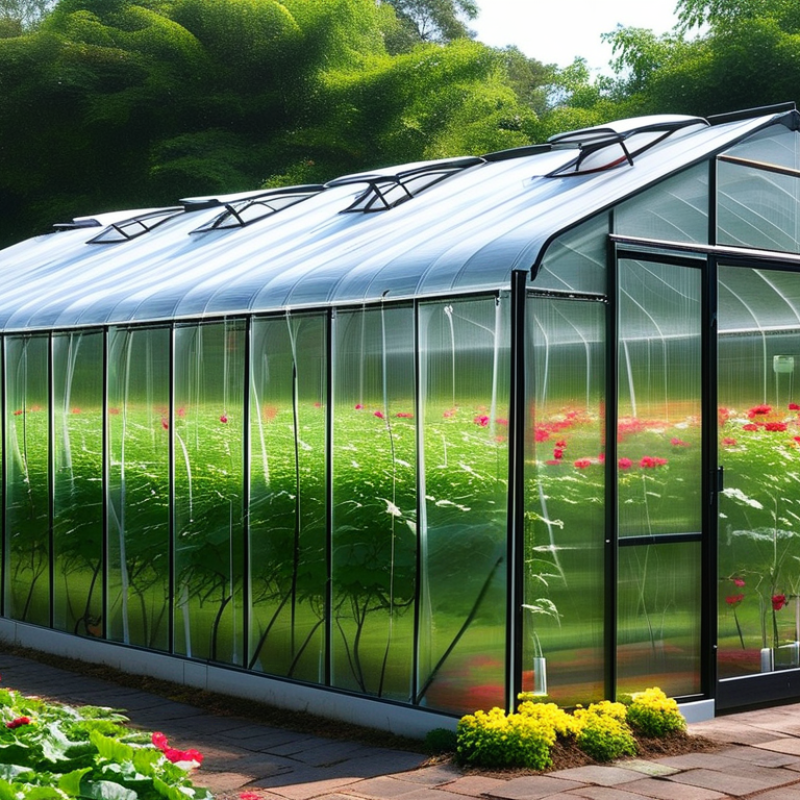
One essential aspect to analyze is the materials used in constructing these greenhouses. High-quality, durable materials enhance insulation and reduce light leakage. Polycarbonate panels offer superior UV protection, leading to healthier plants. Additionally, the greenhouse structure should allow for easy adjustment of light levels. Systems with adjustable blackout tarps can significantly improve control and flexibility.
Another factor to keep in mind is humidity and temperature regulation. Proper ventilation systems maintain optimal conditions for plants. A report indicated that nearly 60% of cannabis growers experienced crop loss due to humidity issues. Sustainable practices, such as using integrated pest management and energy-efficient humidity control, can enhance reliability. By focusing on these critical features, buyers can make informed decisions that align with their production goals.
Top Light Deprivation Greenhouse Materials for Optimal Performance
Light deprivation greenhouses are essential for growers aiming to enhance plant yields. Choosing the right materials can significantly impact performance. A common choice is blackout tarps, which block sunlight effectively. These tarps are durable and come in various thicknesses. They enable precise light control for optimal growth cycles.
Another material to consider is reflective insulation. This type of insulation maximizes light reflection, providing a brighter environment inside the greenhouse. It can improve photosynthesis, leading to healthier plants. Ensure that the insulation is also moisture-resistant to prevent mold growth.
Tips: Always test materials before full installation. Patch test smaller areas to ensure compatibility with plants. Monitor temperature changes after changing materials. This helps to avoid potential stress on your plants.
Quality of construction matters too. A poorly built frame can lead to light leaks. Regular inspections ensure that everything remains sealed and functional. Address even minor cracks immediately to maintain ideal growing conditions.
Comparative Analysis of Popular Light Deprivation Systems Worldwide
Light deprivation systems are crucial for optimizing plant growth in various climates. These systems control light exposure, enabling growers to manipulate flowering cycles. A good grasp of the technology increases crop quality and yields. Popular methods vary globally, reflecting different environmental needs and agricultural practices.
Mechanisms range from simple blackout tarps to sophisticated automated systems. Each has its advantages and drawbacks. While larger greenhouses may utilize complex operations, smaller setups may function efficiently with basic materials. Evaluating the local climate is essential. It determines the appropriate system for effective light management.
Tips: Consider the flexibility of your light deprivation system. Can it adapt to changing weather? Moreover, your choice should match your crop type. Some plants require specific light schedules to thrive. Researching local growing conditions can help refine your selection. Don't overlook local regulations; they may impact your system's design and functionality.
Best Practices for Maintaining and Operating Light Deprivation Greenhouses
Maintaining light deprivation greenhouses requires attention to various factors that ensure optimal plant growth. Research indicates that effective light control can enhance yields by up to 30%. This is crucial for growers looking to maximize production in limited spaces. Regular monitoring of light levels is essential. Adjusting blackout systems as the seasons change ensures that plants receive the appropriate light duration.
Humidity control is equally important. High humidity can lead to mold and pests. Data shows that maintaining humidity between 40% and 60% significantly reduces plant diseases. Installing automated ventilation systems can help manage this aspect. Regular maintenance of these systems is necessary to prevent malfunctions that could affect crop health.
Temperature regulation presents another challenge. The ideal temperature range varies by plant type but generally falls between 65°F and 75°F. Mismanagement can stress plants, leading to poor quality. Reflecting on past experiences, growers should regularly calibrate heating and cooling systems. Simple tools can make a difference—investing in thermometers and hygrometers helps maintain precise conditions.
Best Light Deprivation Greenhouse Solutions for Global Buyers
| Solution Type |
Key Features |
Ideal Climate |
Cost Range (USD) |
Maintenance Level |
| Manual Light Deprivation |
Light Blocking Tarps, Adjustable |
Temperate |
500 - 1,500 |
Moderate |
| Automated Light Deprivation |
Motorized Systems, Timed Deployment |
Warm and Dry |
2,000 - 5,000 |
High |
| Hybrid Systems |
Combines Manual and Automated |
Variable |
1,500 - 3,500 |
Moderate to High |
| Ventilation and Insulation |
Insulated Panels, Controlled Ventilation |
Cold and Humid |
800 - 2,000 |
Low to Moderate |