Plastic Film Greenhouse

10 Best Commercial Greenhouse Techniques for Successful Farming?

In the world of agriculture, the Commercial Greenhouse sector is rapidly evolving. Experts agree that innovation is crucial for success. Dr. Alex Martin, a leading horticulturist, states, “Adaptation in greenhouse techniques leads to enhanced productivity.” This insight highlights the importance of staying ahead in an increasingly competitive market.

Among the myriad of techniques available, selecting the best practices for your Commercial Greenhouse can be challenging. Understanding environmental controls, crop selection, and effective pest management are vital. Each aspect requires careful consideration and adjustment. Mistakes can be costly, and not every technique works universally. Farmers must evaluate their unique conditions and resources to find effective solutions.

As you dive deeper into greenhouse farming, remember that success does not come easily. Many newcomers experience failures before finding their footing. Learning from these setbacks is essential. Embracing a mindset of growth and resilience can pave the way to a thriving Commercial Greenhouse operation. Explore these top techniques to elevate your farming endeavors.
10 Best Commercial Greenhouse Techniques for Successful Farming?

The Importance of Selecting the Right Greenhouse Structure

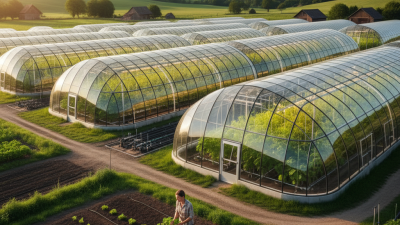
Choosing the right greenhouse structure is crucial for successful farming. The shape, material, and size of a greenhouse significantly impact plant growth. A well-designed greenhouse enhances sunlight penetration, ventilation, and temperature control. These factors directly influence crop yield and quality.

Different structures serve varied purposes. For instance, a hoop house is cost-effective but may lack durability. On the other hand, a fixed-frame greenhouse provides more stability but requires a higher initial investment. Farmers must weigh these options carefully. Ignoring the importance of structure could lead to disappointing results. It’s essential to understand the specific needs of the crops.

Many growers underestimate the effect of location and climate on their greenhouse choice. A structure that works in one region may fail in another. Wind exposure, rainfall, and temperature fluctuations are vital considerations. Moreover, maintenance is often overlooked. A poorly maintained structure can lead to environmental stress for plants. Thus, selecting the right greenhouse involves a balance of immediate benefits and long-term sustainability.
Implementing Effective Climate Control Strategies

10 Best Commercial Greenhouse Techniques for Successful Farming?

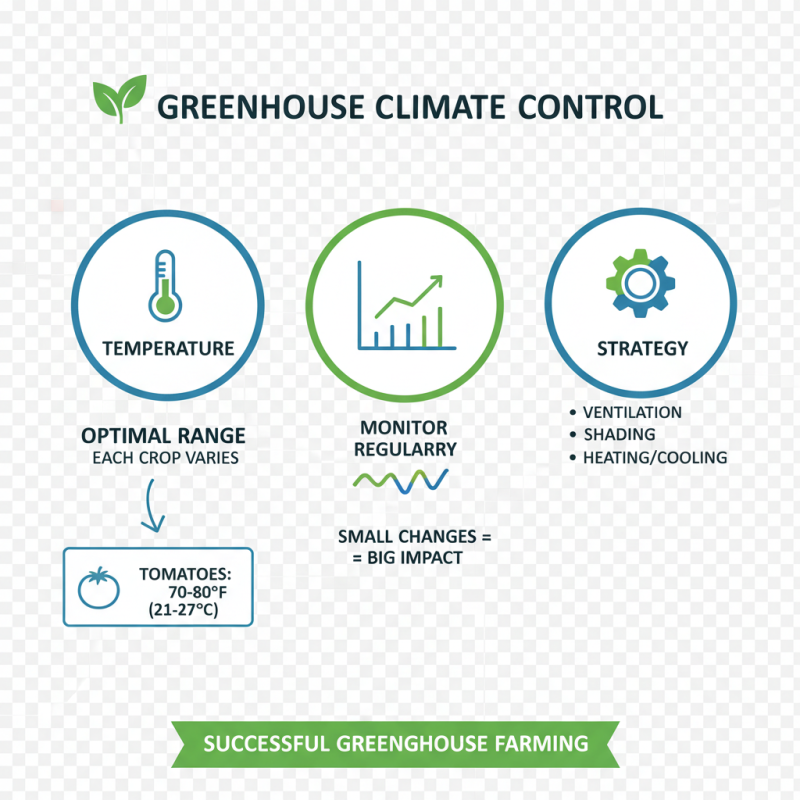
Implementing effective climate control strategies is crucial for successful greenhouse farming. To start, consider the temperature. Each crop has its ideal range. For example, tomatoes thrive between 70°F and 80°F. Monitor the temperature regularly. Small fluctuations can impact plant growth.

Humidity control is another key factor. High humidity promotes disease, while low humidity stresses plants. Use dehumidifiers or vents to maintain balance. Adding fans can improve air circulation, preventing hot spots. This is vital for plant health.

Proper insulation is often overlooked. Quality materials can keep temperatures steady, reducing energy costs. Consider using thermal screens. They can minimize heat loss at night. Reflective surfaces can help as well. Using them wisely might lead to better light distribution. These steps require ongoing evaluation. Adjust strategies as weather changes. The right approach can make the difference between a thriving greenhouse and a struggling one.

Utilizing Advanced Irrigation Systems for Optimal Plant Health

Advanced irrigation systems play a crucial role in commercial greenhouse success. These systems can enhance plant health significantly. According to a recent report by the American Society of Horticultural Science, effective irrigation can increase crop yield by up to 30%. This efficiency stems from precise water delivery that reduces waste and prevents over-saturation.

Drip irrigation is one of the most effective techniques. It delivers water directly to the plant roots. This method conserves water and energizes growth. A study from the National Agricultural Statistics Service notes that greenhouses utilizing drip systems see up to 50% less water usage. However, not all growers adopt these systems. Some might hesitate due to initial costs or complexity.

Even with advanced systems, challenges often arise. Clogging can occur, which affects efficiency. Additionally, underestimating water needs can stunt plant growth. Farmers must balance innovation with practical knowledge. Regular system maintenance and adjustments are vital for optimal results. Fostering a deeper understanding of these systems often leads to improved farming practices.

10 Best Commercial Greenhouse Techniques for Successful Farming

Technique Description Benefits Optimal Plant Health Indicators
Drip Irrigation A method that delivers water directly to the soil through a network of tubing. Reduces water waste and increases efficiency. Consistent moisture levels in the root zone.
Hydroponics Growing plants in nutrient-rich water without soil. Faster growth rates and higher yields. Vibrant foliage and quicker flowering.
Climate Control Systems Technology to regulate temperature and humidity. Maintains optimal growing conditions year-round. Stable plant growth and minimized stress responses.
LED Grow Lights Energy-efficient lighting that simulates sunlight for plant growth. Improved energy savings and enhanced photosynthesis. Strong stem development and rich coloration in leaves.
Aquaponics Combines aquaculture and hydroponics in a symbiotic environment. Sustainable and efficient food production. Healthy plants and fish thriving in the ecosystem.
Fertigation Application of fertilizers through irrigation systems. Enhances nutrient absorption and reduces labor costs. Improved nutrient status in plants.
Vertical Farming Growing plants in stacked layers to maximize space. Increased production per square foot. Densely packed, vibrant plants with minimal disease.
Soil Moisture Sensors Devices that measure the moisture level in soil for irrigation timing. Prevents over- and under-watering. Consistent soil moisture levels for optimal growth.
Crop Rotation Rotating different crops in a specific sequence to maintain soil health. Enhances soil fertility and disrupts pest cycles. Robust and resilient plants.
Pest Management Systems Integrated approaches for monitoring and controlling pests. Minimizes chemical use while maximizing crop health. Healthy plants with minimal damage from pests.

Incorporating Sustainable Practices in Greenhouse Operations

10 Best Commercial Greenhouse Techniques for Successful Farming?

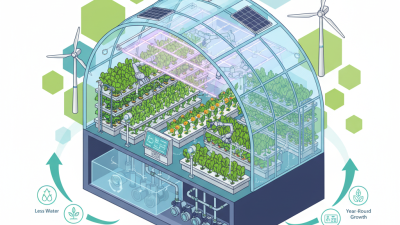
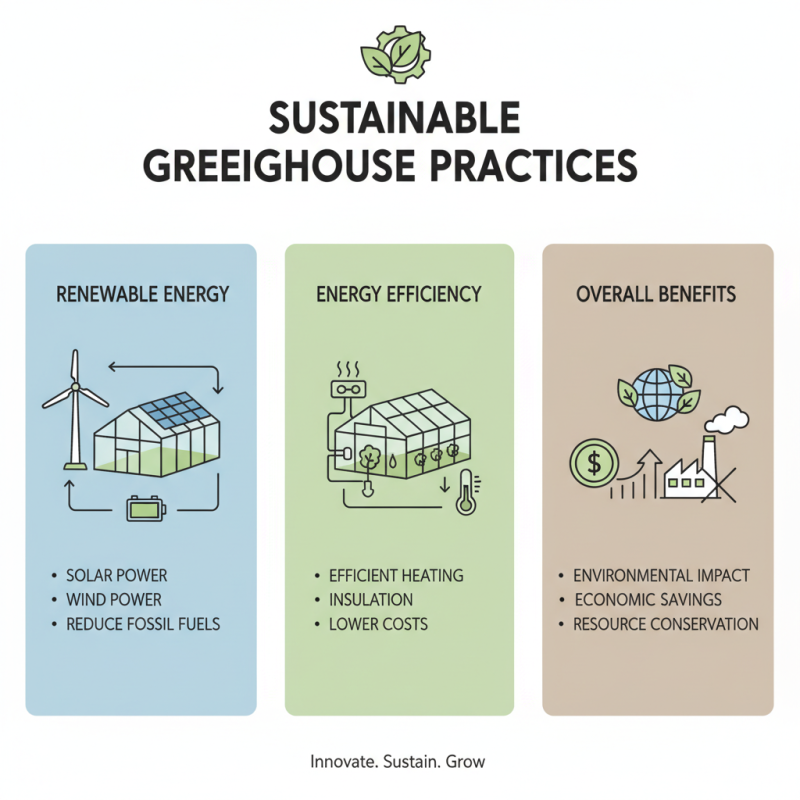
Sustainable practices are key in greenhouse operations. Using renewable energy sources, such as solar or wind, is increasingly popular. These methods reduce dependence on fossil fuels. Many growers are exploring energy-efficient heating systems. They find that minimizing energy usage lowers overall costs.

Rainwater harvesting systems are another vital component. Capturing rainwater can supplement irrigation needs. It helps conserve valuable freshwater resources. Some farms are experimenting with composting organic waste. This practice enriches soil health and reduces the need for chemical fertilizers. However, the process can be complex and requires careful management.

Another technique is crop rotation within the greenhouse. This method prevents soil depletion and enhances biodiversity. However, it demands good planning to implement effectively. Regular crop monitoring can help identify pest issues early. Still, it can be challenging to maintain consistent quality. Sustainable practices require ongoing reflection and adjustment. Each small improvement contributes to long-term success.

Leveraging Technology for Precision Agriculture and Monitoring

In the world of modern agriculture, precision is everything. Farmers are increasingly using technology to enhance productivity. Sensors, drones, and IoT devices are becoming essential tools. These technologies allow growers to monitor crop health in real-time. They can detect issues like nutrient deficiencies or pests quickly. This proactive approach can prevent crop loss.

Integration of software further refines this process. Data analytics helps farmers make informed decisions. However, collecting data is not without challenges. Sometimes, farmers may struggle to interpret the information effectively. Outdated methods may still linger, causing confusion. Continuous learning is vital in this evolving landscape.

Automation systems can streamline operations significantly. Automated irrigation, for example, ensures precise water distribution. Yet, reliance on these systems can lead to oversights. Farmers need to balance technology with their instincts. Too much dependence on gadgets might hinder critical thinking. The future of farming lies in blending technology with human experience. This mix can lead to truly successful greenhouse techniques.