Top China Best Aquaponics System for Global Buyers?
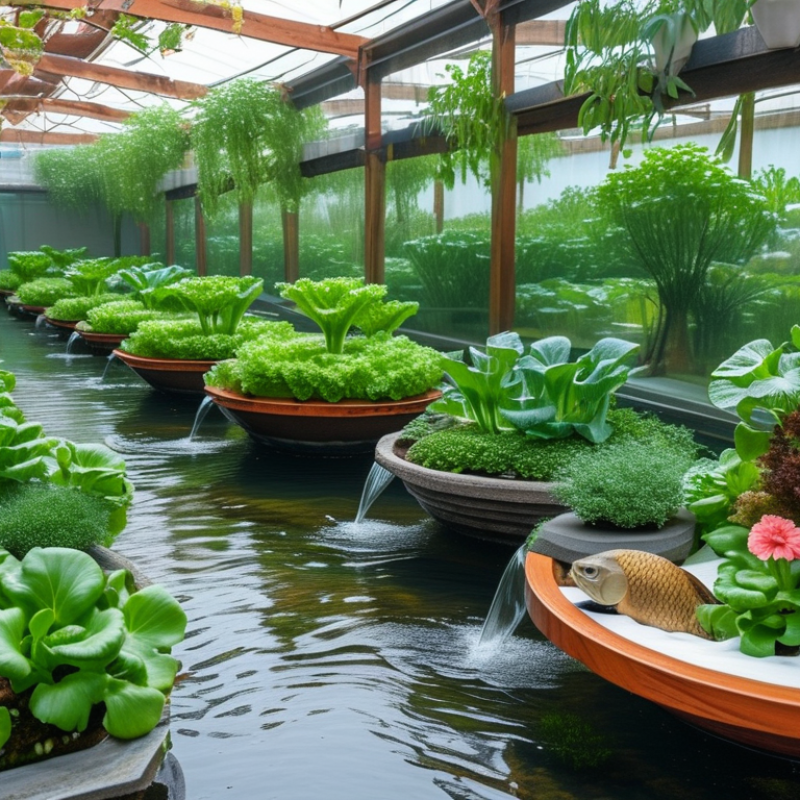
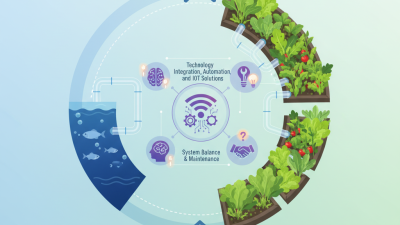
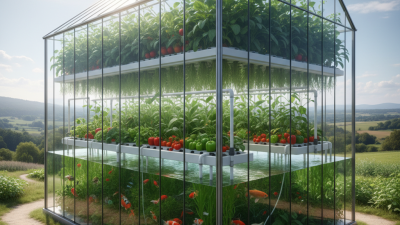
The growing interest in sustainable farming has made the Aquaponics System increasingly popular. This innovative approach combines aquaculture and hydroponics to create a thriving ecosystem. Plants grow in nutrient-rich water created by fish, while bacteria break down fish waste. The symbiotic relationship results in healthy produce and fish.
Top China best Aquaponics Systems are now being sought by global buyers. These systems promise efficient production and reduced resource use. Quality, technology, and scalability are key factors in choosing the right system. It's crucial to consider local needs and environmental factors.
However, not all systems are equal. Some may promise great results but fall short in practice. It’s important to research and weigh the pros and cons of different options. Buyers should seek reliable suppliers with proven expertise. Quality matters, especially when investing in an Aquaponics System.
Top Aquaponics Systems in China: An Overview of Market Leaders
Aquaponics is revolutionizing agriculture in China. This innovative method combines aquaculture and hydroponics. As global demand grows, Chinese systems are becoming increasingly popular. According to recent industry reports, the aquaponics market in China is expected to reach $250 million by 2025, highlighting its rapid growth and potential.
Leading systems in China incorporate advanced technology. Many utilize IoT for real-time monitoring. This enhances efficiency and reduces labor costs. Reports suggest that yields can increase by over 30% using automated aquaponics systems. However, challenges remain. Technical expertise is essential for optimal results. Limited knowledge among users can lead to system failures.
Tips: Invest in training to maximize your aquaponics system's potential. Regular maintenance is key to long-term success. Consider local market needs when selecting crops to grow. Understanding the ecosystem is essential. Adaptation can help overcome initial hurdles, fostering sustainable practices in aquaculture. Embracing continuous learning is crucial in this evolving field.
Key Features and Technologies in China's Leading Aquaponics Solutions
China has become a leading hub for aquaponics systems, showcasing innovative technologies and features. These systems combine aquaculture and hydroponics, creating a sustainable method to grow food. One key feature is the utilization of recirculating water systems, which minimizes water waste significantly. This approach is appealing for arid regions, where water scarcity is a pressing concern.
Advanced sensors and automation technology are also vital components. They monitor water quality and plant health, allowing for real-time adjustments. This can enhance productivity and reduce the need for chemicals. However, while these technologies offer immense benefits, they require a certain level of expertise to operate effectively. Many potential users may struggle with the complexities involved, indicating a need for better training and support.
Affordable systems are increasingly available, but their quality can vary. Buyers often find themselves overwhelmed by choices. They must balance cost and reliability. Some cheaper options may not deliver the promised results. This inconsistency encourages a cautious approach. Effective aquaponics implementation necessitates thorough research and consideration of both the system's features and the provider's reputation.
Top China Best Aquaponics System Features
This chart illustrates key metrics of top aquaponics systems available in China, focusing on system efficiency, water usage, crop yield, energy consumption, and cost. These metrics are critical for global buyers assessing the best solutions for sustainable agriculture.
Comparative Analysis of Prices: China vs. Global Aquaponics Systems
The global rise of aquaponics systems highlights significant differences in pricing and technology. In recent years, reports indicate that China has emerged as a leading manufacturer. A comparative analysis shows that aquaponics systems from China often come at a competitive price—up to 30% lower than those from Western countries. This cost advantage is largely due to lower production expenses. However, quality can vary significantly.
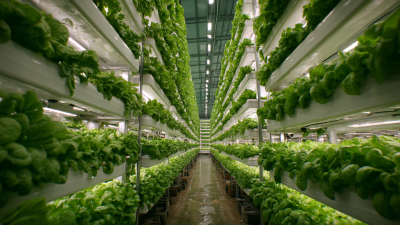
Notably, many Chinese systems focus on efficient indoor farming using cutting-edge technology. The efficiency of these systems can lead to yields that rival traditional farming. A study by the International Journal of Agricultural Sustainability notes that systems designed in China have increased produce output by nearly 50% compared to older models. Despite this, some international buyers express concerns over long-term durability and maintenance issues.
Investors should consider both price and quality before committing. While Chinese systems may offer initial savings, potential hidden costs can arise. Understanding the long-term operational expenses is crucial. Additionally, ensuring that systems meet local regulations can pose additional challenges. Consequently, a thorough evaluation of both Chinese and global systems is essential for informed decision-making.
Case Studies: Successful Implementations of Aquaponics in China
Aquaponics has gained traction in China as a sustainable farming method. Various successful case studies highlight its potential. In one notable project, a small farm integrated fish and vegetable cultivation. They utilized fish waste to fertilize plants, creating a symbiotic ecosystem. This closed-loop system reduced water usage by 90% compared to traditional farming. However, managing the balance between fish and plants posed challenges.
Another example features a community-based aquaponics system in an urban area. Residents learned to grow organic food together. They installed a rooftop system that thrived in limited space. Despite the initial enthusiasm, issues with nutrient levels and pest control emerged. Regular monitoring and adjustments were essential for success.
These case studies illustrate the promise of aquaponics in China. They reveal significant benefits, yet they also highlight the complexities involved. Continuous learning and adaptation are vital for achieving sustainable results. Combining local expertise with innovative practices can drive further success in this field.
Future Trends in Aquaponics: Innovations and Market Predictions
Aquaponics is transforming agriculture worldwide. Innovations in technology are driving improvements in efficiency and sustainability. Hydroponics and aquaculture combine seamlessly in this system. As resource scarcity increases, aquaponics offers a solution. It provides local food production while conserving water. The market is shifting towards smaller, urban systems. This makes it easier for individual consumers to get involved.
Tips: Start small. Experiment with basic setups. Focus on learning the nuances of plant and fish interaction. Monitor water quality regularly. This will help you avoid common pitfalls.
Future trends indicate a rise in automated systems. Technology will help track and manage resources effectively. Sustainable practices will gain traction. Stakeholders must consider local demands. The community impact will guide future developments. Collaboration between farmers and tech innovators will drive industry growth.
Incorporating data analysis will enhance decision-making. This requires careful planning and reflection on past experiences. Be open to adjustments. Mistakes can provide valuable learning opportunities. By embracing innovation, the aquaponics sector can flourish sustainably.
Top China Best Aquaponics System for Global Buyers
| System Type |
Capacity (Liters) |
Fish Species |
Plant Variety |
Automation Level |
Price Range (USD) |
| Media-Based |
1000 |
Tilapia |
Lettuce, Herbs |
Semi-Automated |
2000 - 4000 |
| Deep Water Culture |
800 |
Catfish |
Basil, Kale |
Fully Automated |
3000 - 6000 |
| NFT (Nutrient Film Technique) |
600 |
Trout |
Spinach, Mint |
Semi-Automated |
2500 - 5000 |
| Vertical System |
1200 |
Shrimp |
Peppers, Tomatoes |
Fully Automated |
4000 - 7000 |
| Hybrid System |
1500 |
Goldfish |
Cucumbers, Herbs |
Hybrid Automated |
5000 - 8000 |