Top 10 Benefits of Using a Polyethylene Greenhouse?
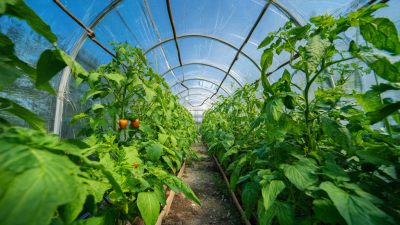
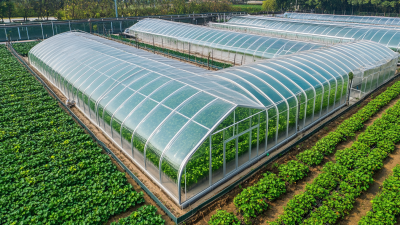
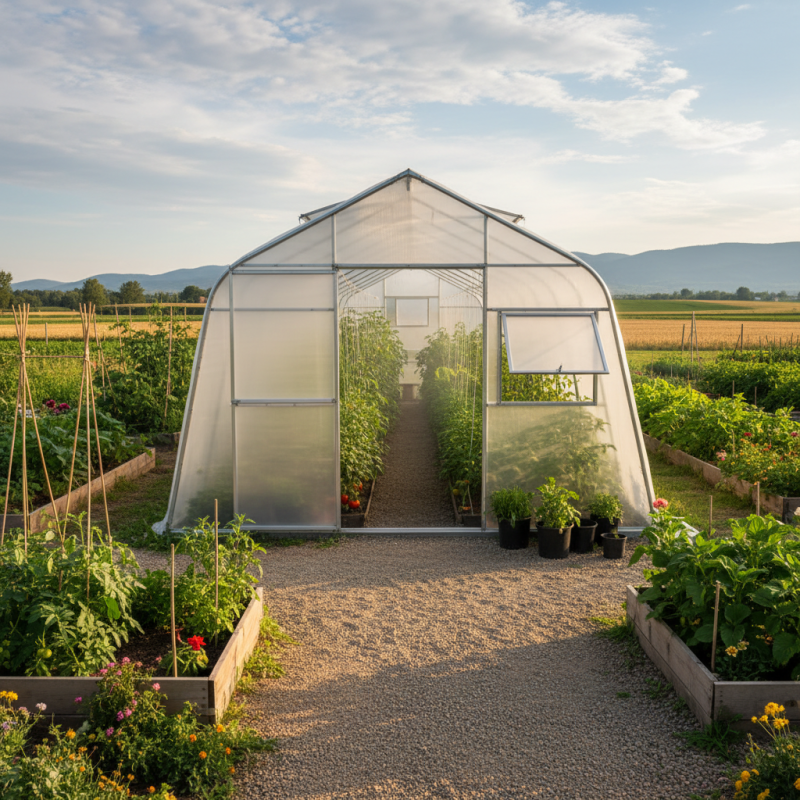
A Polyethylene Greenhouse offers remarkable advantages for gardeners and farmers alike. These structures, made from durable and flexible polyethylene film, create a controlled environment for plants. They help maintain optimal temperatures, which is essential for growth. Imagine nurturing tender seedlings in a warm oasis while winter rages outside.
The benefits extend beyond mere temperature control. A Polyethylene Greenhouse can significantly increase crop yield. This is especially vital for those hoping to maximize limited space. Moreover, these greenhouses are often more cost-effective than traditional glass options. They are easier to install, making them accessible for hobbyists and professionals. Gardens become vibrant havens, packed with flourishing plants.
Yet, using a Polyethylene Greenhouse is not without its challenges. While they retain heat well, ventilation must be managed carefully to avoid overheating. Additionally, over time, the film may need replacement. Reflecting on these aspects can help users optimize their greenhouse experience. Embracing both the benefits and potential pitfalls is crucial for successful gardening.
Benefits of Enhanced Temperature Control in Polyethylene Greenhouses
Polyethylene greenhouses are increasingly popular due to their ability to enhance temperature control. This is crucial for plant growth. Controlling temperature creates a stable environment. It minimizes stress on plants, leading to healthier growth.
These greenhouses trap heat during the day. This retained heat can be released at night. However, simply relying on this feature may not always be enough. During cold nights, additional heating may be necessary. Temperature fluctuations can be problematic. Adjusting the ventilation system can help regulate heat.
Furthermore, having a controlled environment extends the growing season. Plants can thrive earlier in spring and later in autumn. Yet, growers must monitor temperatures closely. Overheating can occur on sunny days. Proper management is key to maximizing the benefits. Using polyethylene greenhouses offers valuable advantages, but they also come with challenges.
Comparison of Light Transmission and UV Protection in Polyethylene vs. Glass
When comparing light transmission and UV protection, polyethylene and glass offer distinct advantages and disadvantages. Polyethylene allows for excellent light penetration, essential for plant growth. The material transmits around 85% of sunlight. This is crucial for plants that need lots of light. However, it can degrade over time. Regular maintenance is necessary to maintain its translucency. The cost-effectiveness of polyethylene is appealing but may lead to frequent replacements.
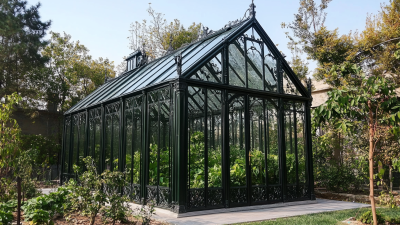
In contrast, glass provides superior durability and UV protection. It blocks harmful rays, lasting many years without significant wear. Glass structures are often more expensive and heavier. They require sturdy support systems, leading to higher initial costs. Still, in terms of long-term investment, glass may be the better choice for serious gardeners. However, it can also create heat buildup, risking plant health. Balancing these factors is essential when choosing the right greenhouse material for your needs.
Top 10 Benefits of Using a Polyethylene Greenhouse
| Benefit |
Polyethylene |
Glass |
| Light Weight |
Yes |
No |
| UV Protection |
High |
Medium |
| Insulation |
Good |
Excellent |
| Cost-Effectiveness |
High |
Low |
| Ease of Installation |
Easy |
Difficult |
| Durability |
Moderate |
High |
| Light Transmission |
Excellent |
Good |
| Customization Options |
High |
Limited |
| Environmental Impact |
Lower |
Higher |
| Maintenance |
Low |
High |
Cost-Effectiveness of Polyethylene Greenhouses for Small-Scale Farmers
Polyethylene greenhouses are increasingly popular among small-scale farmers. They offer several cost-effective benefits that can significantly impact productivity. First, the initial investment is lower compared to traditional materials. This makes them accessible to farmers with limited budgets. With the right setup, these greenhouses can enhance crop yields by providing a controlled environment.
Maintaining a polyethylene greenhouse can be challenging. Farmers must manage temperature and humidity carefully. Neglecting these factors can lead to poor plant health. However, the material's lightweight nature makes installation easier. This can save time and labor costs. Another consideration is the greenhouse's durability. Over time, the material may degrade, especially under intense sunlight. Farmers need to balance initial savings with long-term maintenance.
Despite these challenges, many farmers find that polyethylene greenhouses offer a practical solution. They can extend growing seasons and increase the variety of crops produced. However, careful planning is essential. Farmers must assess their specific needs and local conditions. The effectiveness of these greenhouses depends on proper management and understanding of the risks involved.
Top 10 Benefits of Using a Polyethylene Greenhouse
Ease of Setup and Maintenance for Polyethylene Greenhouse Structures
Polyethylene greenhouses stand out for their ease of setup and maintenance. Many growers appreciate how simple it is to construct these structures. You typically need basic tools and a few hours for assembly. According to a report by the American Society for Horticultural Science, over 70% of greenhouse owners prefer polyethylene for its lightweight nature. This makes transport and installation quick and efficient.
Maintenance is also relatively straightforward. Polyethylene covers are easy to clean and replace. With proper care, they can last for several years. However, it's essential to monitor for wear and tear. A study by Greenhouse Grower Magazine noted that roughly 30% of growers find persistent leaks in older polyethylene structures. Regular inspection can prevent larger issues down the line.
Also, during extreme weather, polyethylene may need additional support. Wind can cause damage if not properly secured. Therefore, a framework to reinforce the structure is crucial. Despite these challenges, the benefits often outweigh the drawbacks, especially for beginners.
Environmental Impact: Sustainability and Recycling of Polyethylene Film
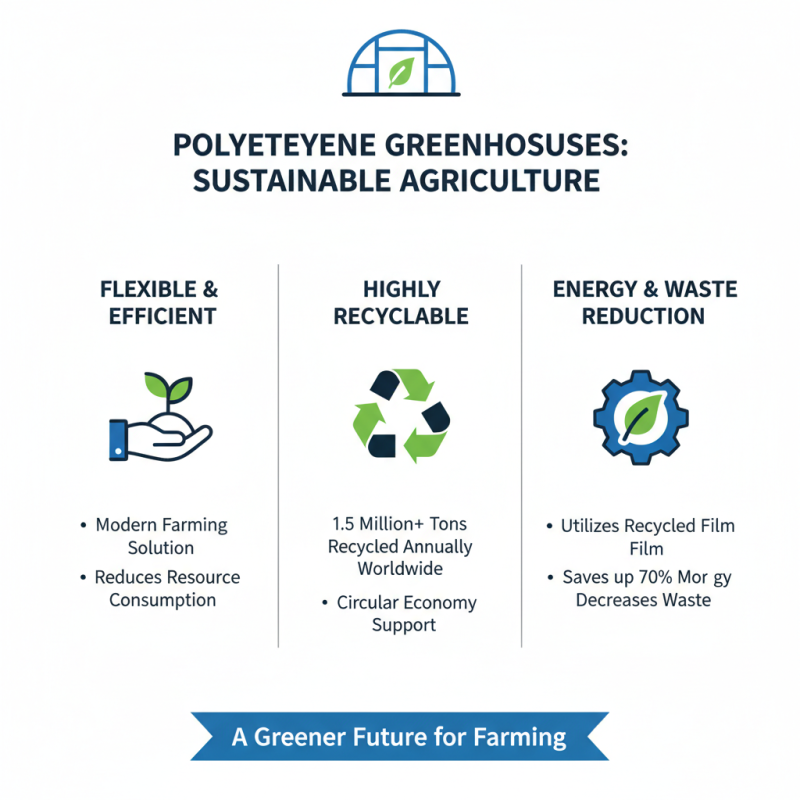
Polyethylene greenhouses are a sustainable choice for modern agriculture. They offer a flexible solution for farmers and reduce resource consumption. Polyethylene is highly recyclable, with over 1.5 million tons of this material recycled annually worldwide. Farmers can utilize recycled polyethylene film, which decreases waste and supports a circular economy. This practice can save up to 70% more energy compared to new film production.
However, the environmental impact should not be overlooked. While polyethylene is recyclable, improper disposal remains a concern. Studies show that less than 10% of polyethylene products are recycled appropriately. This leads to pollution and degradation. Farmers must take responsibility for proper disposal and encourage recycling initiatives. It's essential to advocate for better systems to collect and recycle plastic waste.
The lightweight nature of polyethylene reduces transportation emissions. However, its durability is a double-edged sword. The lifespan of polyethylene film can exceed ten years, contributing to long-lasting waste if not managed correctly. Emphasizing the importance of sustainability is crucial, as the agricultural sector seeks greener options.