What Are the Benefits of Light Deprivation Greenhouses?
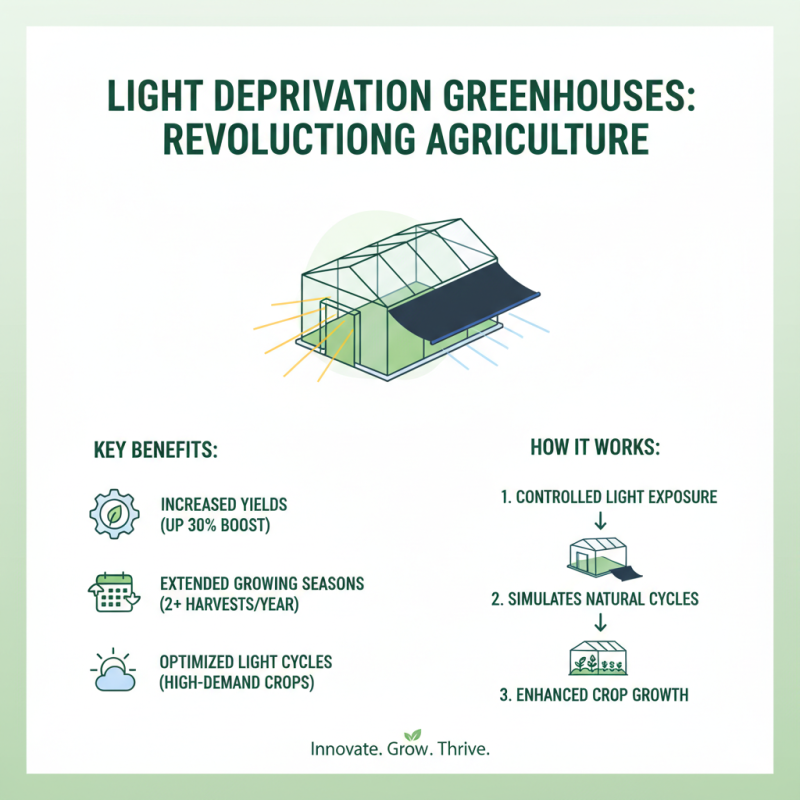
Light Deprivation Greenhouse techniques are becoming increasingly popular in modern agriculture. These innovative structures control light exposure to plants, enhancing their growth cycles. By carefully managing light, growers can influence flowering and harvesting times. This leads to higher yields and better quality crops.
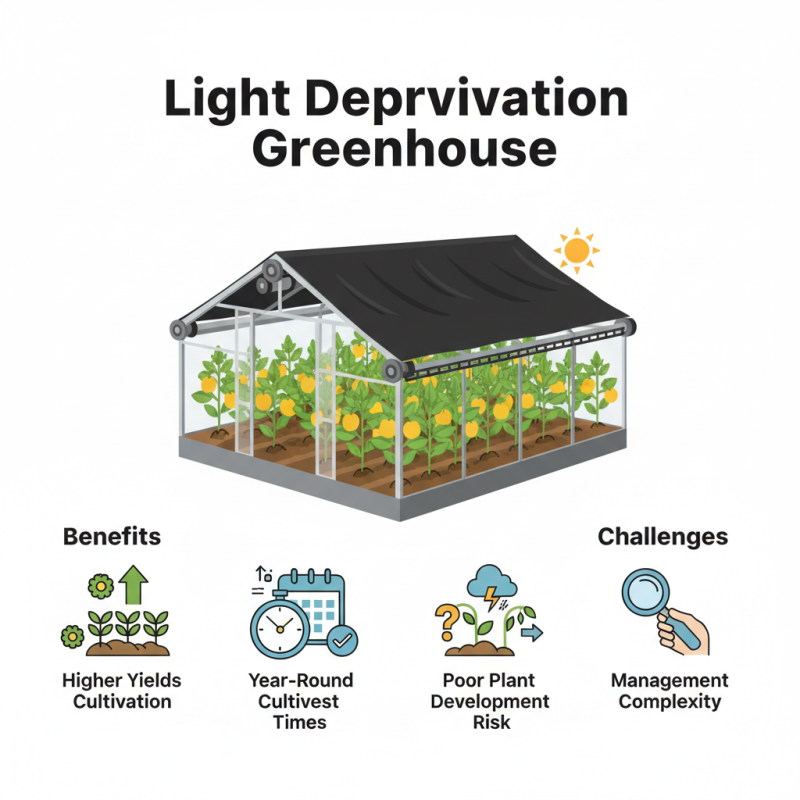
In a Light Deprivation Greenhouse, darkness is crucial. By using blackout tarps, growers mimic natural night conditions. This method allows for year-round cultivation. However, not all crops respond positively. Some may require more natural light for optimal growth. This is a key consideration for growers.
While this approach offers great benefits, it is not without challenges. There is a learning curve in managing light levels effectively. Mistakes can lead to poor plant development. Adjusting to these methods takes practice and patience. As farmers explore Light Deprivation Greenhouses, they must also reflect on their unique growing conditions.
Understanding Light Deprivation in Greenhouses
Light deprivation is a technique used in greenhouses to manipulate light exposure. This method enables growers to control the flowering cycle of plants. By blocking natural sunlight, they can create specific light conditions. This process often enhances growth and can lead to better yields.
Understanding how light deprivation works is essential for successful greenhouse management. Growers typically use blackout tarps to cover their plants during certain hours. This will lead to shorter day lengths, triggering the flowering stage. The result is that plants mature faster. However, overuse of this technique may lead to stress. Striking the right balance is important for optimal health.
Light deprivation can offer benefits, but it’s not without challenges. Improper timing may result in inconsistent flowering. It requires careful planning and observation. Each plant species may respond differently. Not every greenhouse is suitable for this method. Understanding your plants is key to determining the best approach.
How Light Deprivation Affects Plant Growth and Yield
Light deprivation techniques can significantly influence plant growth and yield. By controlling light exposure, growers can manipulate the flowering cycles of various plants. This is particularly useful for those cultivating sensitive crops. The timing of light can enhance the quality and quantity of the harvest.
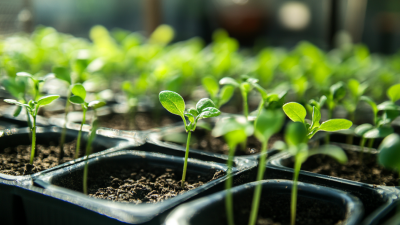
Indoor seedlings often thrive when they receive controlled light. Strategies like blackout curtains or covered roofs help to achieve this. For instance, a simple task like covering plants at specific times can boost their growth. However, it's crucial to monitor plants closely. Overexposure to darkness may lead to stunted growth or stress.
**Tip:** Ensure that light deprivation is not excessive. A delicate balance is key for optimal growth. Adjusting light periods can prevent potential issues and maximize yield. Regularly assess the health of your plants and adapt your methods accordingly.
Experimenting with light deprivation can yield unexpected results. Some plants may respond better than others. Take notes on your practices to refine your approach over time. Sometimes, less is more, and an overzealous method may backfire. Always be willing to adjust your techniques based on feedback from your plants.
What Are the Benefits of Light Deprivation Greenhouses?
| Benefit |
Description |
Impact on Growth |
Impact on Yield |
| Enhanced Light Control |
Allows growers to manipulate light exposure for optimal plant development. |
Improves photosynthesis efficiency. |
Can increase yields by up to 30%. |
| Disease Prevention |
Reduces humidity and damp conditions that favor pests and diseases. |
Better overall plant health leads to stronger growth. |
Higher quality produce and fewer losses. |
| Extended Growing Season |
Allows for multiple harvests and extended production cycles. |
Promotes continuous growth cycles. |
Maximizes production potential. |
| Improved Crop Quality |
Concentrates cultivation efforts on high-value crops with controlled conditions. |
Produces more uniform and higher-quality yields. |
Increases market value of products. |
| Energy Efficiency |
Utilizes natural light to reduce energy costs associated with artificial lighting. |
Lower operational costs support sustainable practices. |
Increased profit margins from reduced expenses. |
Comparative Analysis: Light Deprivation vs. Traditional Greenhouses
Light deprivation greenhouses, or blackout greenhouses, utilize shading techniques to control light exposure. This method plays a vital role in plant growth cycles. In contrast, traditional greenhouses rely on natural sunlight throughout the day. While both systems aim to enhance crop yield, their approaches differ significantly.
Light deprivation greenhouses promote higher yields by regulating light. This allows for multiple harvests in a year, adapting to various plant requirements. However, some growers may struggle with the complexity of managing artificial light sources. On the other hand, traditional greenhouses can be simpler to operate, relying on the sun's natural rhythm. Yet, they often face limitations during short days or extreme weather.
The efficiency of a light deprivation greenhouse comes with challenges. Installing blackout systems can be expensive and technically demanding. Additionally, growers must pay close attention to plant response to light changes. Overexposure or insufficient light can hinder growth. While traditional greenhouses offer more stability, they might miss opportunities for maximizing production. Balancing these advantages requires careful consideration from growers.
Integration of Technology in Light Deprivation Greenhouses
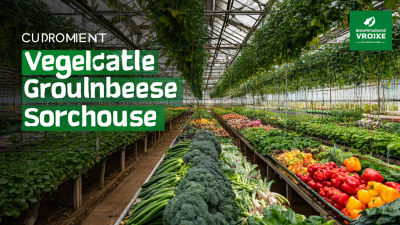
Light deprivation greenhouses are a game changer in the world of agriculture. They allow growers to control light exposure to plants. This technology promotes optimal growth cycles. Vegetables and flowers thrive under managed light conditions. Moreover, the use of light deprivation techniques can lead to higher yields.
Integration of technology plays a vital role. Automated systems help manage light levels efficiently. Sensors monitor the plants' needs. This creates an ideal environment for growth. Growers can adjust light exposure based on the specific requirements of each plant type. Remote controls and apps streamline the whole process. This makes gardening more accessible and productive.
Tip: Regularly assess the performance of your systems. Calibrate sensors to ensure accurate readings. It may take time to find the right balance. Don't rush—experiment with different settings to see what works best.
Remember, not every setup is perfect. Issues like humidity control may arise. Climate fluctuations can also impact the greenhouse environment. Reflect on daily operations. Evaluate what needs improvement. Adapting your approach can lead to greater success over time.
Benefits of Light Deprivation Greenhouses
This chart illustrates the benefits of light deprivation greenhouses, with improved yield showing the highest value. Enhanced quality and energy efficiency follow closely, emphasizing the advantages of using such technology in agricultural practices.