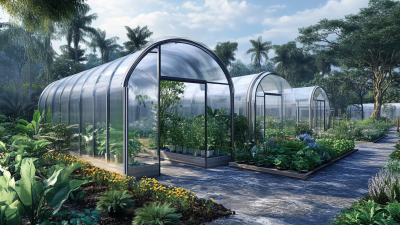
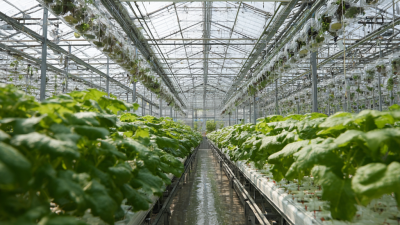
Plastic Film Greenhouse

Top Benefits of Hydroponic Greenhouses for Sustainable Farming?

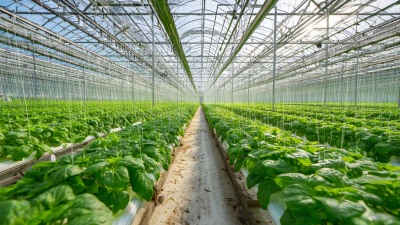
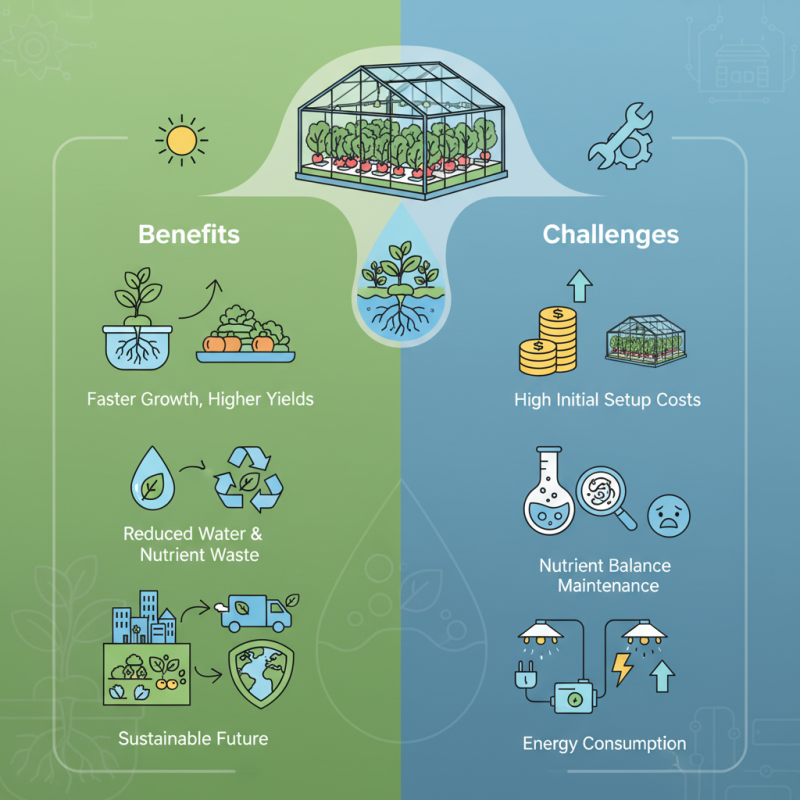
Hydroponic Greenhouses have redefined the future of sustainable farming. These innovative structures allow crops to grow without soil. By using nutrient-rich water solutions, they maximize space and resources. This method promotes faster growth and higher yields. Many farmers embrace Hydroponic Greenhouses for their efficiency.

Imagine a vibrant, lush environment filled with fresh vegetables. Hydroponic systems ensure plants receive precise nutrients. This precision leads to reduced waste and environmental impact. Yet, they come with challenges. Initial setup costs can be high. Maintaining the right nutrient balance requires constant attention.

Farmers must also consider energy consumption. While Hydroponic Greenhouses are efficient, they still need power for lights and pumps. Despite these drawbacks, the benefits often outweigh the challenges. As we face global food production issues, Hydroponic Greenhouses offer promising solutions. They support local farming and reduce transportation emissions. Embracing this technology could lead to a more sustainable future.
Top Benefits of Hydroponic Greenhouses for Sustainable Farming?

Key Features of Hydroponic Greenhouses for Sustainable Agriculture
Top Benefits of Hydroponic Greenhouses for Sustainable Farming?

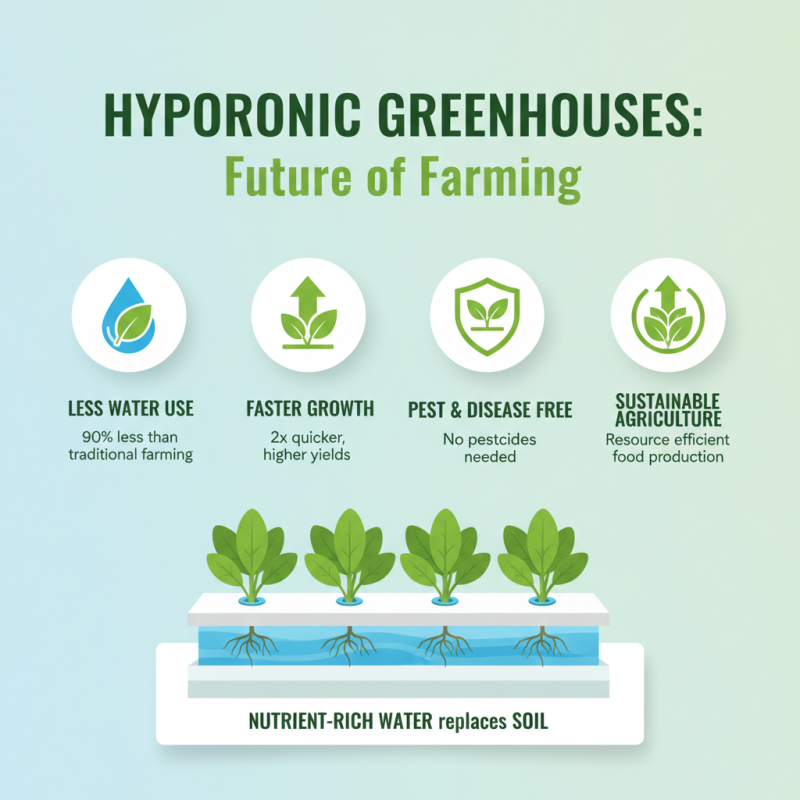
Hydroponic greenhouses are revolutionizing sustainable agriculture. They allow crops to grow without soil, using nutrient-rich water instead. This method uses less water compared to traditional farming. Since plants grow faster, yields can increase significantly. The controlled environment protects crops from pests and diseases, reducing the need for pesticides.

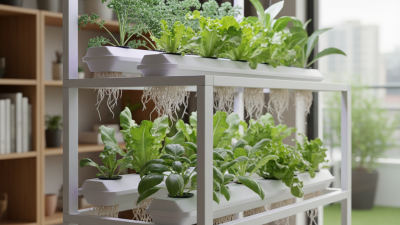
Key features include vertical farming systems that maximize space. This is vital in urban areas where land is scarce. LED lighting is often used to supplement sunlight, promoting efficient photosynthesis. Some systems use sensors to monitor plant health, ensuring optimal growth conditions. However, high initial costs can be a challenge. Many farmers hesitate to invest without guaranteed returns.

Climate control is another essential aspect. Maintaining proper temperature and humidity can be tricky. Too much moisture can lead to mold, while insufficient warmth stunts growth. Monitoring systems help but require careful attention. Not all crops thrive in hydroponic settings, either, so research is critical. Adapting to these challenges can lead to successful practices in modern agriculture.
Enhanced Water Efficiency in Hydroponic Systems Compared to Traditional Farming

Hydroponic greenhouses are changing the way we approach farming. One standout benefit is their water efficiency. Compared to traditional soil-based farming, hydroponic systems use significantly less water. Studies show that these systems can save up to 90% of water. This is especially vital in regions facing water scarcity.

In a hydroponic setup, plants receive nutrient-rich water directly to their roots. This method minimizes evaporation and runoff. As a result, plants use water more effectively. However, this system isn't without challenges. Issues like nutrient concentration can arise. Monitoring and adjusting nutrient levels regularly can be time-consuming.

Despite some drawbacks, the potential is immense. Think about growing fresh produce in arid climates where water is a concern. It’s a sustainable solution with promising results. Hydroponic greenhouses could redefine agricultural practices for the future. Yet, continuous improvements and adaptations are necessary for optimal results.

Nutrient Management and Optimization in Hydroponic Greenhouses

Nutrient management is crucial in hydroponic greenhouses. Unlike soil farming, hydroponics relies entirely on nutrient solutions. This method allows for precise control over what plants receive. Every mineral, every element needs careful monitoring. Too much or too little can shock the plants. Balancing pH levels is a constant challenge.

In a hydroponic system, nutrient delivery can vary between different crops. Some plants may thrive on high nitrogen, while others need more potassium. Growers often face the trial-and-error approach in adjusting these ratios. It’s important to analyze plant responses closely. Nutrient deficiencies can show up quickly. Leaves may yellow, or growth may stutter unexpectedly.

Feedback loops are essential for optimization. Regular testing of nutrient solutions ensures plants are getting what they need. Automated systems can help maintain this balance. However, technology isn't foolproof. These systems can malfunction or misread levels. Growers must stay attentive and adaptable. It’s an ongoing learning process, and mistakes can be costly.

Top Benefits of Hydroponic Greenhouses for Sustainable Farming

This bar chart illustrates the top benefits of hydroponic greenhouses for sustainable farming, scoring each benefit on a scale from 1 to 10. Key advantages such as water efficiency and nutrient control have been highlighted, showcasing the potential of hydroponic systems in modern agriculture.

Minimizing Land Use and Maximizing Crop Yields with Hydroponics

Hydroponic greenhouses present a revolutionary solution for sustainable farming. They use up to 90% less water than traditional farming methods. According to a report by the Food and Agriculture Organization, hydroponics can produce 3 to 10 times more crops per square meter. This efficiency is vital as populations grow and arable land declines.

While maximizing crop yields, hydroponics minimizes land use. It allows farming in urban areas, reducing transport emissions. Vertical farming techniques enable more crops in small areas. However, challenges exist. High initial costs and technical knowledge are barriers for many.

Environmental benefits are significant, yet not always guaranteed. Pest control is more manageable, yet pests can still infiltrate. Farmers must balance technology use with sustainability. Some hydroponic systems rely on synthetic fertilizers, raising concerns. These complexities require careful reflection as we embrace this method.

Top Benefits of Hydroponic Greenhouses for Sustainable Farming

Benefit Description Impact on Sustainability Crop Yield Improvement
Minimized Land Use Hydroponic systems allow crop production in smaller areas. Reduces the need for traditional farmland, preserving ecosystems. Can increase yield per square meter by 2-3 times.
Water Efficiency Uses up to 90% less water compared to soil-based farming. Conserves water resources, crucial in arid regions. Higher growth rates due to optimized nutrient delivery.
Pest and Disease Control Less exposure to soil-borne pests and diseases. Reduces chemical pesticide use, promoting cleaner produce. Improved overall crop health can lead to higher yields.
Year-Round Production Controlled environment allows for consistent production. Reduces reliance on out-of-season imports. Potential for multiple harvests per year.
Nutrient Control Precise nutrient management leads to healthier crops. Minimizes nutrient runoff, protecting ecosystems. Potential for yield increases of 20-30%.

Reducing Carbon Footprint and Environmental Impact of Farming Practices

Top Benefits of Hydroponic Greenhouses for Sustainable Farming?

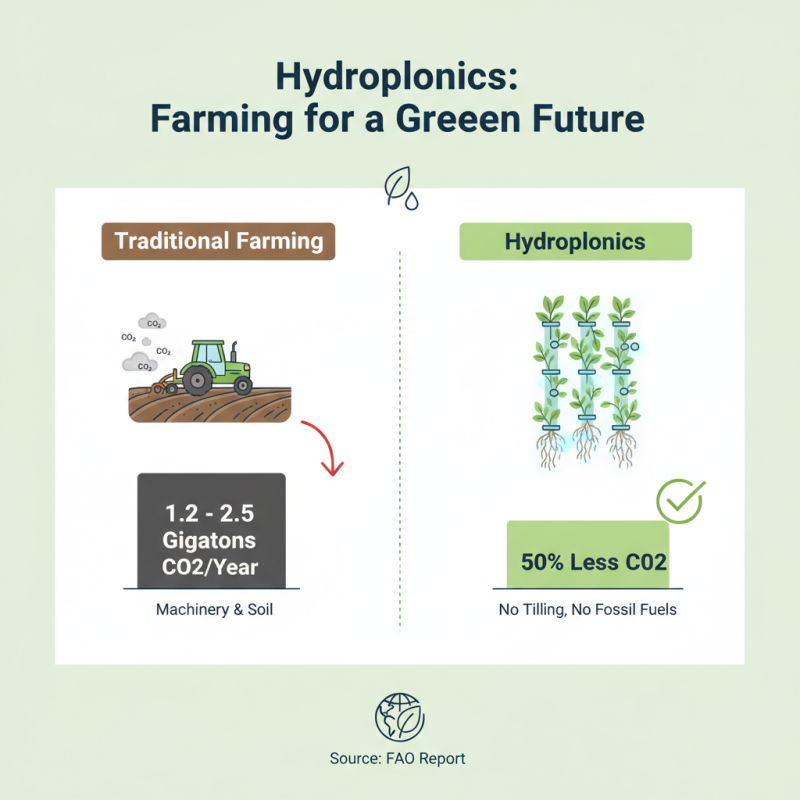
Hydroponic greenhouses are revolutionizing sustainable farming. They significantly reduce the carbon footprint associated with traditional agricultural practices. According to a report by the Food and Agriculture Organization (FAO), conventional farming can emit between 1.2 to 2.5 gigatons of CO2 per year due to machinery and soil management. In contrast, hydroponics can lower these emissions by nearly 50%. This reduction comes from the elimination of soil tilling and fossil fuel use.

Moreover, hydroponic systems use around 90% less water than traditional farming. A study by the University of Arizona highlights that these systems can produce fresh vegetables with just a fraction of the water needed in soil agriculture. Water conservation is crucial, especially in arid regions facing severe droughts. However, hydroponic farming isn't without its flaws. It requires energy inputs for lighting and temperature control. Systems that rely heavily on electricity can negate some environmental benefits if the power source is non-renewable.

The reduction of pesticides in hydroponic farming presents another environmental advantage. According to the Pesticide Action Network, conventional agriculture applies about 4.1 billion pounds of pesticides each year. Hydroponics often utilizes integrated pest management, lowering or eliminating pesticide usage. Still, reliance on certain chemicals in nutrient solutions needs scrutiny. Not all methods are perfect, and ongoing evaluation is essential to mitigate unintended consequences.