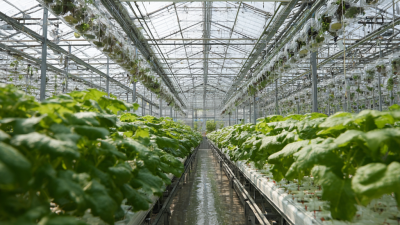
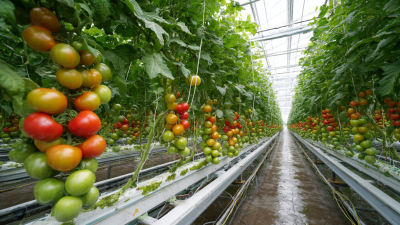
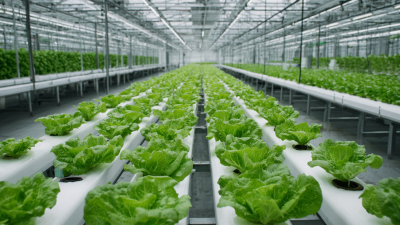
In recent years, home gardening has gained immense popularity, leading enthusiasts to explore innovative methods to cultivate their plants. Among these methods, the Hydroponic Greenhouse has emerged as a revolutionary approach, offering numerous advantages for both novice and seasoned gardeners. By harnessing the power of hydroponics—growing plants without soil—this system provides a controlled environment that maximizes growth potential and minimizes common gardening challenges.
The benefits of a Hydroponic Greenhouse extend beyond simply increasing yield; they encompass water conservation, pest management, and year-round planting capabilities. As gardeners seek sustainable and efficient ways to produce fresh fruits and vegetables at home, understanding the key advantages of hydroponic systems becomes essential. This introduction to the top ten benefits of Hydroponic Greenhouses not only sheds light on their practical applications but also inspires a new generation of gardeners to embrace this forward-thinking approach to home horticulture.
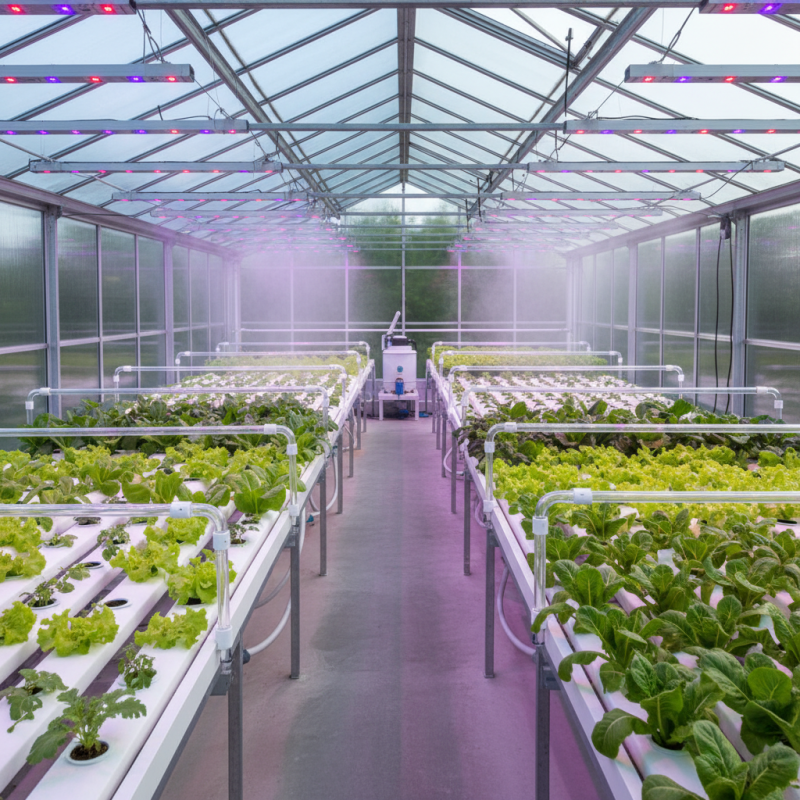
Hydroponic systems offer a revolutionary approach to home gardening by significantly maximizing crop yields. One of the key advantages of hydroponics is the ability to provide plants with customized nutrient solutions directly to their roots, which leads to accelerated growth and higher productivity. Traditional soil-based gardening often limits nutrient availability and requires considerable effort to manage soil quality. In contrast, hydroponic setups minimize these challenges, allowing for continuous growth cycles and the cultivation of a wider variety of plants in restricted spaces.
Moreover, hydroponic greenhouses optimize environmental control, enabling gardeners to perfect growing conditions year-round. Factors such as light, temperature, and humidity can be meticulously managed, resulting in less plant stress and a greater yield. This controlled environment reduces vulnerabilities to pests and diseases, further promoting healthier plants. As a result, home gardeners can achieve not only higher quantities of produce but also enhanced quality, thereby ensuring successful outcomes in their green-thumb endeavors.
Hydroponics has emerged as a revolutionary approach to home gardening, and one of its standout benefits is its remarkable nutrient efficiency. Traditional soil gardening often results in significant nutrient waste due to leaching and uneven distribution. However, studies indicate that hydroponic systems can reduce resource waste by as much as 90%. According to the United Nations Food and Agriculture Organization (FAO), this method utilizes a closed-loop system that allows plants to absorb nutrients directly from a water-based solution, optimizing growth while conserving essential resources.
Furthermore, research conducted by the USDA shows that hydroponic plants can achieve growth rates up to 50% faster than their soil-grown counterparts. This accelerated growth is not only a boon for hobbyists looking to maximize their gardening output, but it also contributes to overall resource sustainability. With less water required—up to 90% less compared to traditional gardening—hydroponics represents a viable solution for urban farmers facing challenges related to space and environmental constraints. The precision with which nutrients are delivered in hydroponic systems translates to healthier plants, with higher yields per square foot, reinforcing the environmental benefits of this innovative gardening technique.
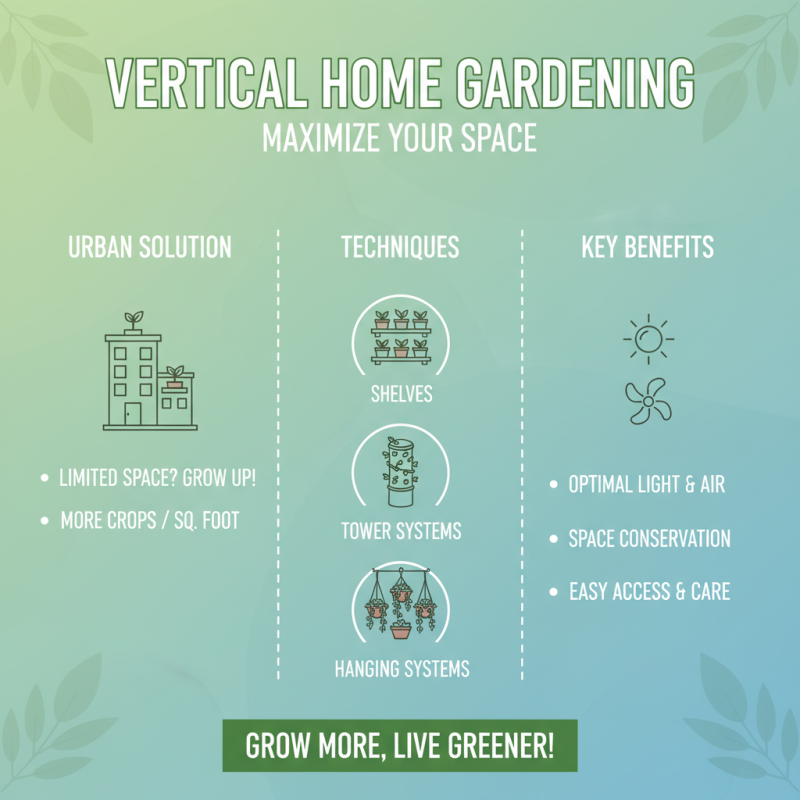
In home gardening, maximizing space is crucial, especially for urban dwellers with limited room. Vertical farming techniques present an innovative solution, enabling gardeners to cultivate a diverse array of plants in compact areas. By utilizing vertical structures—such as shelves, towers, or hanging systems—gardeners can grow more crops per square foot while ensuring adequate light and air circulation for each plant. This method not only conserves precious ground space but also enhances accessibility and ease of maintenance.
Moreover, vertical farming can lead to improved gardening outcomes. By stacking plants vertically, gardeners can create microclimates that optimize growth conditions, allowing for better yields and healthier plants. Techniques such as hydroponics, which involves growing plants in nutrient-rich water, are particularly effective when combined with vertical arrangements. This synergy results in efficient use of resources, such as water and nutrients, while reducing the risk of pests and diseases that can threaten traditional soil-based gardens. Embracing these vertical setups empowers home gardeners to achieve more robust and productive gardens, regardless of the physical limitations of their growing environment.
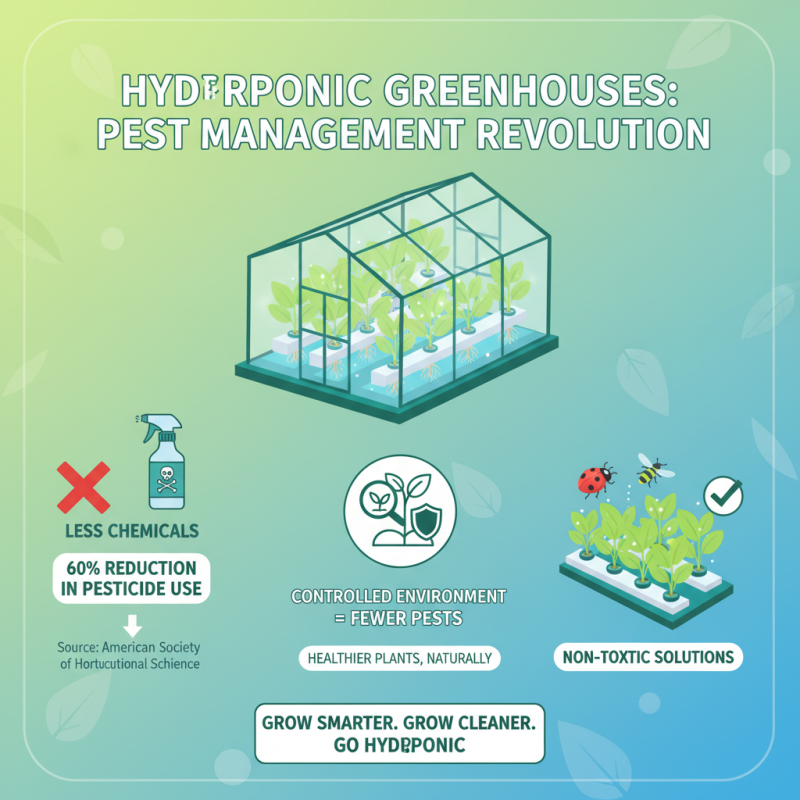
Hydroponic greenhouses offer a revolutionary approach to home gardening, especially in the realm of pest management. Traditional gardening often relies heavily on chemical pesticides, which can pose risks to both human health and the environment. However, studies have shown that hydroponic systems can decrease the usage of these chemicals by as much as 60%. According to a report from the American Society of Horticultural Science, hydroponic environments create conditions that are less conducive to pests, significantly reducing infestations. The controlled settings allow for healthier plant growth, thereby minimizing the need for chemical interventions.
Moreover, integrated pest management (IPM) techniques are more effective in hydroponic setups. For instance, utilizing beneficial insects, such as predatory mites and ladybugs, can naturally curb pest populations without the adverse effects linked to chemical pesticides. The USDA’s National Organic Program highlights that hydroponic systems combined with IPM strategies can promote sustainable gardening practices, leading to healthier produce and a safer gardening environment. This reduction in chemical reliance not only benefits the plants but also enhances the safety of food for families and communities, making hydroponics a compelling choice for home gardeners looking to achieve success while maintaining ecological balance.
Hydroponic greenhouses offer a revolutionary solution for home gardening enthusiasts aiming for year-round production. Traditional gardening is often hindered by seasonal changes, but hydroponics overcomes this limitation, allowing for consistent crop yields regardless of weather conditions. According to the USDA, hydroponic systems can produce up to 30% more crops than traditional soil-based methods, making them an attractive option for maximizing output throughout the year. Additionally, hydroponic greenhouses can maintain optimal growing conditions, such as temperature and humidity, which are critical for plant health and productivity.
For gardeners looking to achieve success in their hydroponic endeavors, it’s essential to consider a few key tips. First, investing in a quality nutrient solution designed for hydroponics can significantly enhance growth rates and plant vitality. Moreover, regular monitoring of pH levels is crucial, as plants thrive within specific pH ranges; staying within 5.5 to 6.5 is ideal for most hydroponic vegetables. Finally, incorporating artificial lighting can further extend growing seasons and ensure that plants receive adequate light, regardless of natural daylight variability.
By leveraging the advantages of hydroponic technologies, home gardeners can enjoy the benefits of fresh produce all year long. The ability to grow nutritious foods at any time not only promotes health and sustainability but also empowers individuals to take control of their food sources, aligning with a growing trend toward self-sufficiency in urban gardening.