Top 10 Benefits of Growing Vegetables in a Greenhouse
In the realm of sustainable agriculture, a Vegetable Greenhouse holds significant promise. Renowned expert Dr. Emily Carter states, "Greenhouses can transform urban farming, making it accessible to everyone." This emphasizes the potential of these spaces to provide fresh produce all year round.
Greenhouses offer numerous advantages for growing vegetables. They protect plants from pests and extreme weather. With controlled environments, crops can thrive regardless of outside conditions. However, there are challenges too. Initial costs can be high, and maintenance requires dedication. Understanding these trade-offs is vital for success.
Gardening in a Vegetable Greenhouse fosters innovation. It encourages growers to experiment with different crops and techniques. Many find joy in this journey, despite occasional failures. Indeed, every gardener experiences setbacks. Reflecting on these moments can lead to greater growth in the long run.
Benefits of Controlled Environment for Vegetable Growth
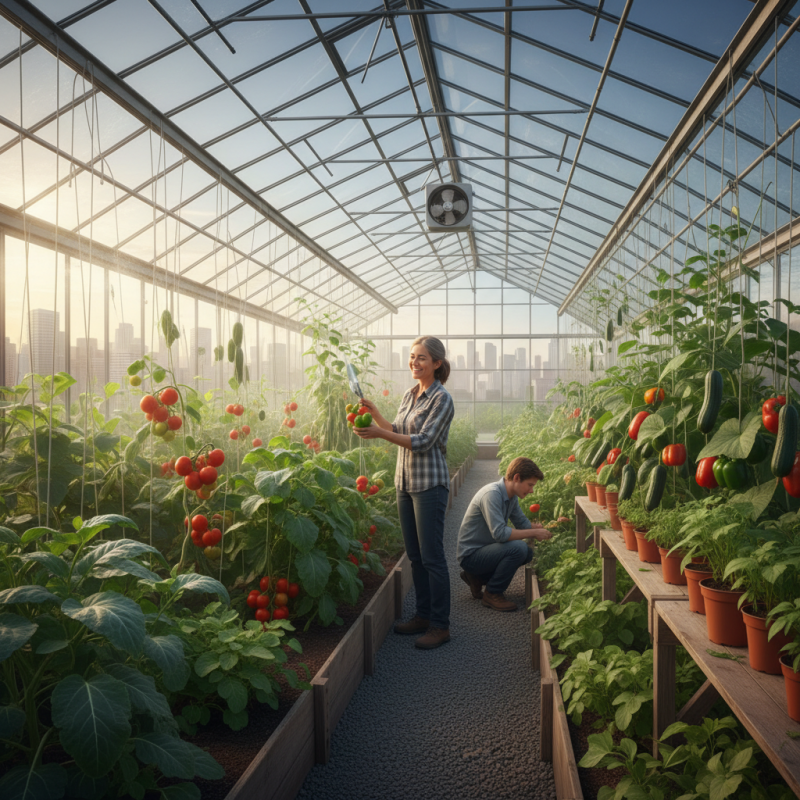
Growing vegetables in a greenhouse offers a controlled environment that optimizes growth conditions. Research indicates that greenhouse environments can enhance growth rates by up to 50% compared to traditional outdoor gardens. Controlled temperature, humidity, and light conditions minimize stress on plants. This results in healthier produce with better yields.
Adapting to seasonal changes is another advantage. In a greenhouse, you can grow vegetables year-round. The USDA reports that many vegetables thrive in temperatures ranging from 70°F to 85°F. Greenhouses maintain this ideal range, protecting plants from frost and heat waves. However, not all crops respond equally. Some may still struggle without additional adjustments, requiring a learning curve for growers.
Moreover, pest and disease management can be more straightforward in a greenhouse. The enclosed space can limit the entry of harmful insects and reduce disease spread. Data from the National Gardening Association shows that nearly 70% of greenhouse growers report fewer pest issues. Exploring organic pest control methods remains essential. Some growers find they still face challenges, reminding us that constant monitoring is necessary for successful cultivation.
Top 10 Benefits of Growing Vegetables in a Greenhouse - Benefits of Controlled Environment for Vegetable Growth
| Benefit |
Description |
| Extended Growing Season |
Greenhouses allow for year-round vegetable production, protecting plants from adverse weather conditions. |
| Pest and Disease Control |
The controlled environment minimizes the risk of pests and diseases, leading to healthier plants. |
| Optimized Growth Conditions |
Growers can control temperature, humidity, and light, creating the ideal conditions for vegetable growth. |
| Water Efficiency |
Drip irrigation systems in greenhouses reduce water usage while providing plants with the necessary hydration. |
| Better Crop Yields |
The controlled environment leads to higher and more consistent crop yields compared to open-field farming. |
| Soil Health Management |
Greenhouses offer options for soil management that can enhance nutrient availability and soil structure. |
| Reduced Chemical Use |
Fewer pesticides and herbicides are needed due to better pest control, promoting organic growing methods. |
| Crop Diversity |
Growers can experiment with a variety of vegetable species that may not thrive outside in their climate. |
| Reduced Labor Costs |
Automation systems can reduce labor needs for watering, fertilizing, and monitoring crop health. |
| Personal Satisfaction |
Growing vegetables in a greenhouse can provide a greater sense of accomplishment and enjoyment for gardeners. |
Extended Growing Seasons and Increased Crop Yield
Growing vegetables in a greenhouse offers extended growing seasons. This means fresh produce is available even in harsh winters. With a controlled environment, plants thrive more than they do outdoors. The greenhouse protects them from pests and extreme weather.
Increased crop yield is another significant benefit. With optimal temperature and humidity, plants grow faster and healthier. Imagine harvesting tomatoes in January or leafy greens in February. However, it's crucial to manage the greenhouse well. Poor ventilation can lead to mold or overcrowding. Without attention, those vibrant veggies could suffer.
Additionally, the variety of vegetables you can grow expands dramatically. Exotic plants that wouldn’t survive your local climate are now possible. You can experiment with heirloom seeds, too. Yet, it’s easy to overwhelm yourself with choices. It’s important to focus on quality over quantity to ensure a successful harvest. Balancing these aspects makes greenhouse gardening rewarding but challenging.
Protection from Pests, Diseases, and Extreme Weather Conditions
Growing vegetables in a greenhouse offers significant advantages, especially concerning protection from pests and diseases. A study by the University of Arizona highlights that greenhouses can reduce pest infestations by up to 80%. The controlled environment helps in minimizing the exposure of crops to harmful insects. The structures not only act as physical barriers but also allow for integrated pest management strategies.
Additionally, greenhouses shield plants from extreme weather conditions. A report from the National Oceanic and Atmospheric Administration (NOAA) indicates that unpredictable weather patterns are increasing due to climate change. For example, sudden frost can devastate crops overnight. Greenhouses maintain stable temperatures and humidity levels, ensuring crops thrive despite external chaos. Even in regions prone to drought, greenhouses can conserve water by reducing evaporation.
However, growing vegetables in greenhouses isn’t without its challenges. Managing humidity levels can be tricky. Excess moisture can lead to fungal diseases, counteracting the benefits of protection. This requires constant monitoring and sometimes costly interventions. We must reflect on these aspects. Growing in a greenhouse takes knowledge and effort, but the rewards can be worth it.
Enhanced Resource Efficiency: Water, Nutrients, and Space Optimization
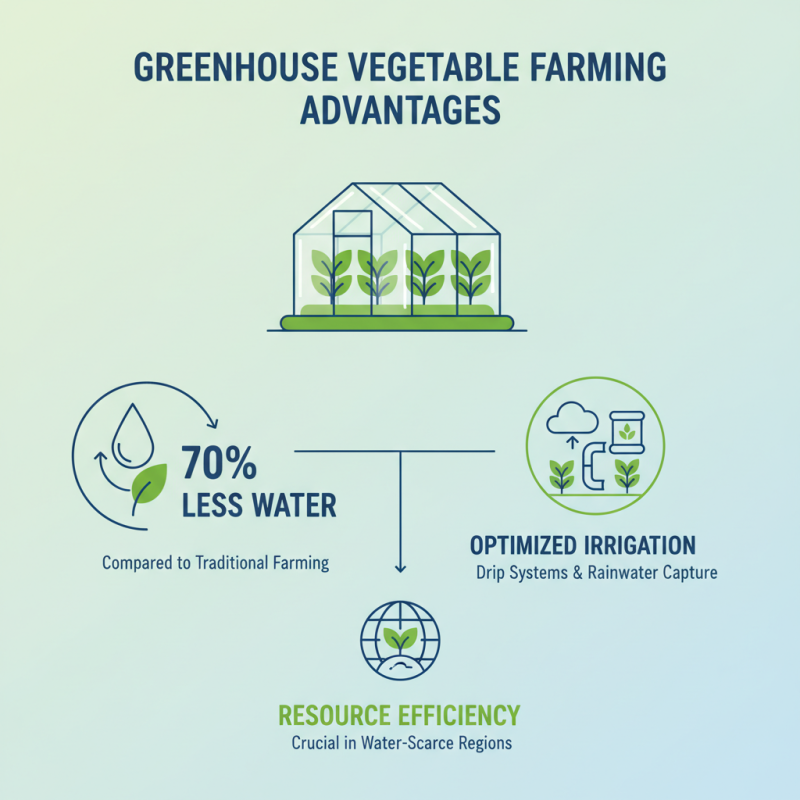
Growing vegetables in a greenhouse offers remarkable advantages. One key benefit is enhanced resource efficiency. Available data shows that greenhouses can use up to 70% less water compared to traditional farming. This efficiency is crucial, especially in water-scarce regions. By controlling the environment, greenhouse owners can optimize irrigation. Drip systems and rainwater capture enhance water use, reducing waste.
Nutrient management also becomes easier. In a greenhouse, plants receive precise amounts of nutrients tailored to their growth stages. Research indicates that nutrient optimization can increase vegetable yields by 25-50%. This controlled setting allows for precise adjustments, but it’s not always perfect. Sometimes, over-fertilization occurs, leading to nutrient runoff. This can harm local ecosystems.
Space optimization is another benefit of greenhouse gardening. With vertical farming techniques, growers can maximize area usage. Utilizing shelves can yield more crops per square foot. Studies show that vertical farms can increase production density significantly. However, managing these systems requires attention. Poor ventilation can lead to pest problems, affecting yields. Proper planning is crucial for success in this managed environment.
Improved Quality and Flavor of Homegrown Vegetables in a Greenhouse
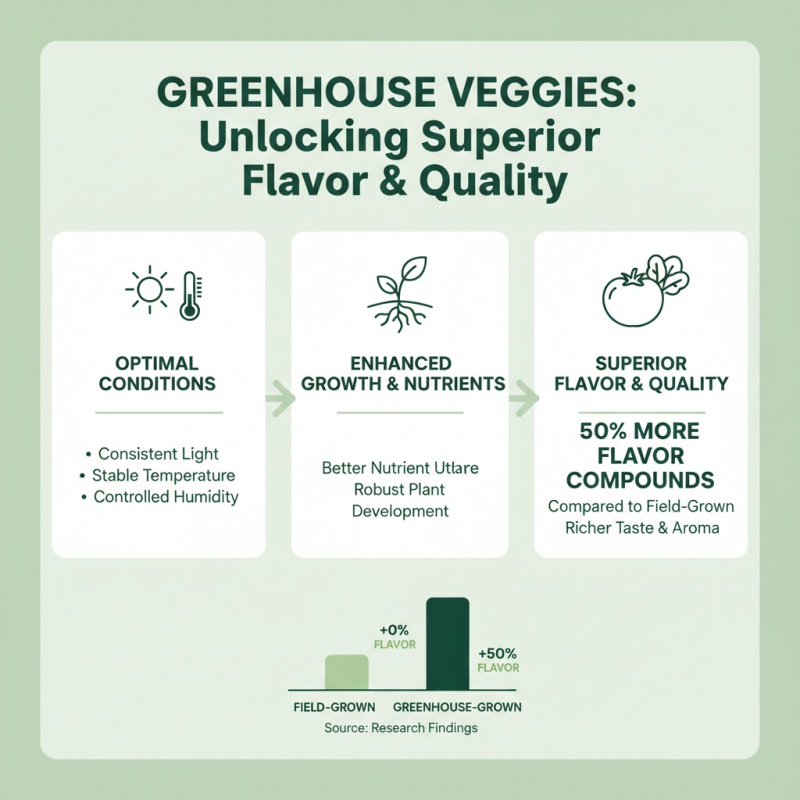
Growing vegetables in a greenhouse significantly enhances their quality and flavor. Research shows that greenhouse-grown produce can have up to 50% more flavor compounds compared to field-grown vegetables. This is partly due to the controlled environment. Plants experience optimal light, temperature, and humidity in a greenhouse. These conditions promote better nutrient uptake and development.
One study noted that home gardeners often report higher satisfaction levels. The taste of freshly picked tomatoes or cucumbers from a greenhouse beats store-bought options every time. However, achieving the desired quality can be a challenge. Not all gardeners have experience, and beginner mistakes can lead to disappointing yields. Overwatering or poor pest management often results in loss of flavor.
Yet, overcoming these challenges is part of the learning process. Experimenting with different growing techniques creates unique flavors. Some gardeners find that certain varieties thrive better in a greenhouse. Fine-tuning care methods can lead to exquisite results. In time, the experience gained translates into improvements and more flavorful harvests.