Top 10 Benefits of Aquaponics System for Sustainable Farming?
The Aquaponics System combines aquaculture and hydroponics to create a sustainable environment for farming. Experts like Dr. Jessica Bloom, a leading authority in sustainable agriculture, emphasize its significance. She once stated, "Aquaponics offers a harmony between fish and plants that boosts food production."
This innovative system not only conserves water but also promotes biodiversity. Farmers can grow fresh vegetables alongside fish, making it a unique blend of farming practices. The closed-loop system minimizes waste and reduces dependency on fertilizers. Yet, it demands careful management. Balancing fish and plant needs can be tricky.
The benefits of the Aquaponics System are immense. From reducing transportation costs to producing quality food, its advantages are clear. However, challenges exist, like initial costs and complexity in setup. Thus, a deeper understanding is crucial for success in this exciting field.
Benefits of Aquaponics in Reducing Water Usage Compared to Traditional Farming
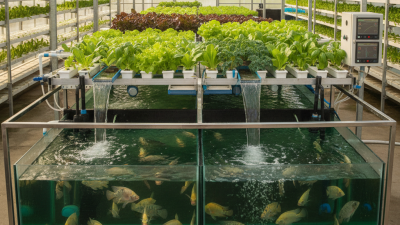
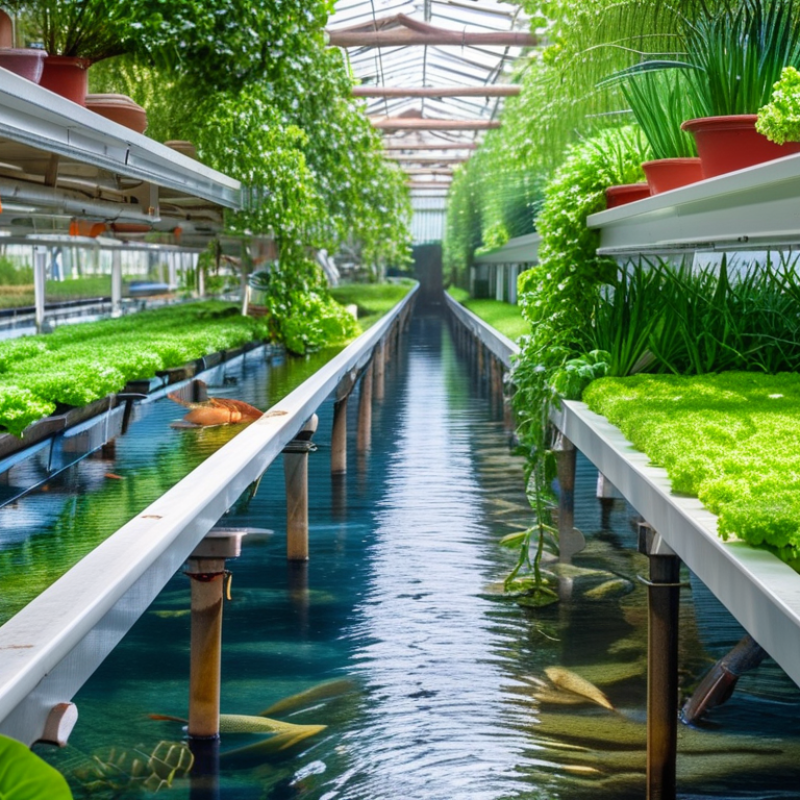
Aquaponics systems combine aquaculture and hydroponics. This innovative approach uses less water than traditional farming methods. In fact, aquaponics can reduce water usage by up to 90%. This efficiency stems from a closed-loop system. Water circulates between fish tanks and plant beds without unnecessary waste.
Fish waste provides essential nutrients for plants. Meanwhile, plants filter water, keeping it clean for fish. This symbiotic relationship minimizes the need for additional water resources. Rainwater harvesting can further reduce dependency on municipal supplies. Many farmers find that aquaponics not only conserves water but also enhances crop yields.
However, maintaining the balance in an aquaponics system can be tricky. Monitoring water quality is essential. Fish and plants both require specific conditions to thrive. If not managed carefully, the system could collapse. The initial setup may also seem daunting and costly. But, the long-term benefits can outweigh these challenges.
Top 10 Benefits of Aquaponics System for Sustainable Farming
| Benefit |
Description |
Water Usage Reduction (%) |
Soil Usage |
Sustainability Level |
| 1. Water Conservation |
Uses approximately 90% less water than traditional farming. |
90 |
No soil needed |
High |
| 2. Organic Production |
Lowers the need for chemical fertilizers, promoting organic produce. |
N/A |
No soil needed |
High |
| 3. Space Efficient |
Allows growing diverse crops vertically and in tight spaces. |
N/A |
No soil needed |
Medium |
| 4. Nutrient-Rich Produce |
Fish waste provides essential nutrients for plant growth. |
N/A |
No soil needed |
High |
| 5. Increased Crop Yield |
Higher density of produce can be grown in smaller areas. |
N/A |
No soil needed |
High |
| 6. Reduced Transportation Costs |
Produces food closer to consumers, lowering transit needs. |
N/A |
No soil needed |
Medium |
| 7. Pest Management |
Fewer pests due to integrated pest management practices. |
N/A |
No soil needed |
High |
| 8. Year-Round Production |
Protects plants from environmental variables, enables constant growth. |
N/A |
No soil needed |
High |
| 9. Waste Reduction |
Utilizes fish waste effectively, reducing organic waste. |
N/A |
No soil needed |
High |
| 10. Community Benefits |
Promotes local food systems and community involvement. |
N/A |
No soil needed |
Medium |
Cost Efficiency: Analyzing Return on Investment in Aquaponics Systems
Aquaponics systems can yield significant cost efficiencies, making them an attractive option for sustainable farming. A comprehensive study by the Food and Agriculture Organization (FAO) shows that aquaponics can reduce water usage by up to 90% compared to traditional farming methods. This is particularly important in areas facing water scarcity. Furthermore, the initial investment often leads to a quicker return on investment (ROI) when managed properly. Farmers can expect to see a positive cash flow within the first couple of years.
Analyzing the figures, the National Sustainable Agriculture Coalition estimates that aquaponics can produce six times more crops per square foot than conventional agriculture. This translates to more food production with fewer resources. However, it's essential to acknowledge that operational costs can vary significantly. Factors like system design, maintenance, and market access play a crucial role. While many aquaponics systems boast high efficiency, some farmers report challenges in managing fish and plant health simultaneously. Balancing these two ecosystems can require extensive knowledge and experience.
Additionally, market trends show a growing demand for locally sourced and organic produce. This can further enhance the profitability of aquaponics farms. According to the USDA, organic crop sales reached $62 billion in 2020, indicating strong market potential. Yet, farmers must consider whether they can secure consistent buyers for their products early on. Identifying local markets and establishing partnerships can be pivotal to maximizing ROI in aquaponics systems.
Top 10 Benefits of Aquaponics System for Sustainable Farming: Cost Efficiency
This chart illustrates key metrics related to cost efficiency in aquaponics systems including initial setup cost, yearly operational cost, yearly produce yield, energy savings, and water efficiency. The balance between cost and yield makes aquaponics an attractive option for sustainable farming.
Nutrient Cycling: How Aquaponics Enhances Soil Health and Plant Growth
Aquaponics combines aquaculture and hydroponics, creating a closed-loop system. This approach benefits soil health by promoting nutrient cycling. Fish waste provides essential nutrients for plants, while plants filter and purify the water for fish. The balance between the two elements fosters a thriving ecosystem. Healthier plants are the result of this symbiosis.
Tips for improving nutrient cycling include monitoring pH levels. Keeping pH within the ideal range ensures optimal nutrient availability. Regularly testing water helps identify any imbalances. Integrating companion planting can also enhance nutrient uptake. Some plants naturally enhance the growth of others, promoting a more robust system.
Aquaponics is not without challenges. Maintaining the right balance of fish and plants can be tricky. If fish populations die off, it affects nutrient availability. Regular maintenance is key to preventing these issues. Monitoring fish health and plant growth is essential for success. Understanding the unique requirements of each species involved brings stability to the system.
Environmental Impact: The Carbon Footprint Reduction in Aquaponics Farming
Aquaponics systems offer a unique solution to sustainable farming. They combine aquaculture with hydroponics, creating a symbiotic environment. This integration significantly reduces the carbon footprint associated with traditional farming. Studies show that aquaponics uses up to 90% less water than conventional agriculture. This is particularly crucial in areas facing water scarcity.
The carbon emissions tied to aquaponics are also notable. According to research from the Journal of Cleaner Production, aquaponics can cut greenhouse gas emissions by up to 70%. Fish waste provides organic nutrients to plants, eliminating the need for chemical fertilizers. This organic approach is beneficial for soil health and reduces harmful runoff into water bodies.
Tips for maximizing efficiency include monitoring water quality regularly. Optimal pH levels promote plant growth and fish health. Implementing solar energy systems can further decrease reliance on fossil fuels. While aquaponics shows great promise, it requires careful management and continuous learning. Mistakes may occur, especially when balancing the ecosystem. Acknowledging this can lead to better practices and improved results over time.
Crop Diversity and Yield: Comparing Production Rates in Aquaponics vs. Soil Farming
Aquaponics systems uniquely combine fish farming and crop cultivation. This method significantly boosts crop diversity. Crops grown in aquaponics can flourish in small spaces, with water-efficient practices. They can yield faster than traditional soil farming, leading to improved production rates. Studies indicate certain vegetables can grow twice as fast in aquaponics due to nutrient-rich water. This synergy supports sustainable farming, providing fresh produce with reduced environmental impact.
Growing diverse crops in aquaponics also helps mitigate risks. If one crop fails, others can thrive, ensuring a more consistent harvest. Farmers can choose from a range of plants, from leafy greens to herbs. This variety can appeal to local markets, increasing economic resilience. Utilizing vertical gardening techniques within aquaponics maximizes space and enhances yield potential.
To succeed in aquaponics, consider your local water source. Test the water's pH and nutrient levels to maintain balance. Regular monitoring ensures plants and fish remain healthy. Additionally, integrating companion planting can boost both crop and fish health. By reflecting on these aspects, you can optimize your aquaponics system for enhanced output and sustainability.