Aquaponics Greenhouse Benefits and Best Practices for 2026?
The concept of the Aquaponics Greenhouse is gaining attention in sustainable agriculture. This innovative system combines aquaculture and hydroponics. Fish and plants thrive together, benefiting from each other's waste and nutrients. In 2026, more people will seek sustainable methods to grow food. The importance of local food systems will increase.
Implementing an Aquaponics Greenhouse may seem simple. However, challenges exist in balancing the ecosystem. Fish health is vital for plant growth. There are risks in maintaining water quality. People often overlook these details. Understanding these components can lead to better practices.
As interest in Aquaponics Greenhouses rises, so does the need for education. Mistakes can occur without proper guidance. Potential growers must reflect on their skills. Experimentation and patience are crucial for success in this unique growing method. Adopting best practices can yield fruitful results.
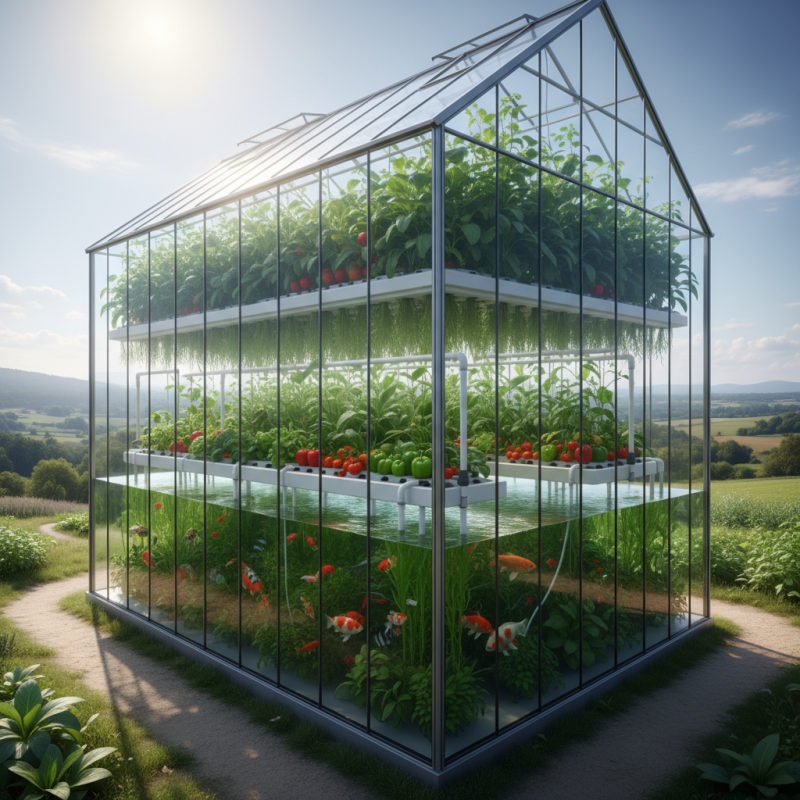
Aquaponics Greenhouse Overview and Importance in Sustainable Agriculture
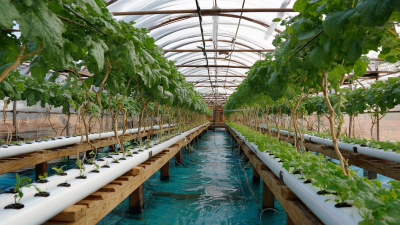
Aquaponics greenhouses uniquely blend aquaculture and hydroponics. They create sustainable ecosystems that nurture both plants and fish. This symbiotic relationship helps eliminate waste.
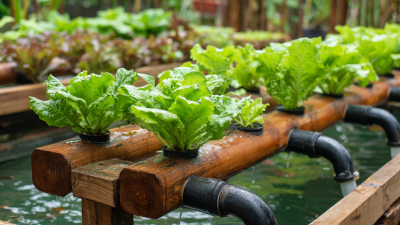
Nutrient-rich water from fish supports plant growth. In turn, plants filter the water for fish. It’s a beautiful cycle of life.
This method reduces water usage significantly. Compared to traditional agriculture, aquaponics can cut water use by up to 90%.
It also minimizes the need for fertilizers. However, managing a balanced ecosystem can be challenging. You must constantly monitor water quality, fish health, and plant needs.
Small mistakes can lead to significant issues.
Soil-based farming often relies on chemical inputs. Aquaponics reduces this dependency. But it’s not a perfect solution. Learning curves are steep for beginners.
Some crops thrive, while others struggle. It’s essential to research suitable plants for aquaponic growth.
Reflecting on successes and failures can provide valuable insights for improvement.
Key Benefits of Implementing Aquaponics in Greenhouse Systems
Aquaponics combines aquaculture and hydroponics in a sustainable system. This innovative approach offers notable benefits for greenhouse systems. According to the 2022 Aquaponics Market Analysis, the global market is projected to reach $1.5 billion by 2026. The integration of fish farming and plant cultivation can significantly boost food production efficiency.
One key benefit is water conservation. Aquaponics uses up to 90% less water than traditional farming methods. This is vital as global water scarcity becomes more pressing. Additionally, crops grown in aquaponic systems typically exhibit 20% faster growth rates. The synergy between plants and fish creates a balanced ecosystem, promoting healthier produce.
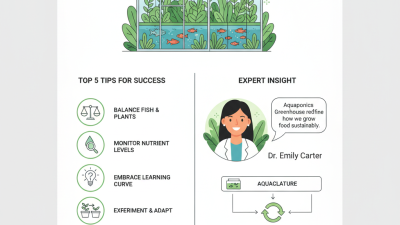
Tip: Regularly monitor water quality to maintain the health of both plants and fish. Balanced nutrient levels are crucial for optimal growth.
Another advantage lies in the reduction of chemical fertilizers and pesticides. Aquaponic systems depend on natural processes for nutrient delivery. However, challenges exist. Maintaining a stable ecosystem can be tricky. Unforeseen issues, such as fish illness, can disrupt balance.
Tip: Keep a close eye on fish behavior. Changes can indicate underlying problems that may affect plant health. Being proactive helps minimize crisis situations.
Aquaponics Greenhouse Benefits and Best Practices for 2026
| Benefit |
Description |
Best Practices |
| Sustainability |
Uses less water compared to traditional farming. |
Implement water recycling systems. |
| Higher Yield |
Increases productivity of both plants and fish. |
Optimize fish stocking density and crop selection. |
| Reduced Chemical Use |
Minimizes need for chemical fertilizers and pesticides. |
Focus on organic methods and natural pest control. |
| Local Production |
Supports local food systems and reduces transport emissions. |
Grow a variety of local crops that meet community demand. |
| Educational Opportunities |
Provides learning platforms for sustainable practices. |
Engage with local schools and institutions for workshops. |
Essential Components of a Successful Aquaponics Greenhouse Setup
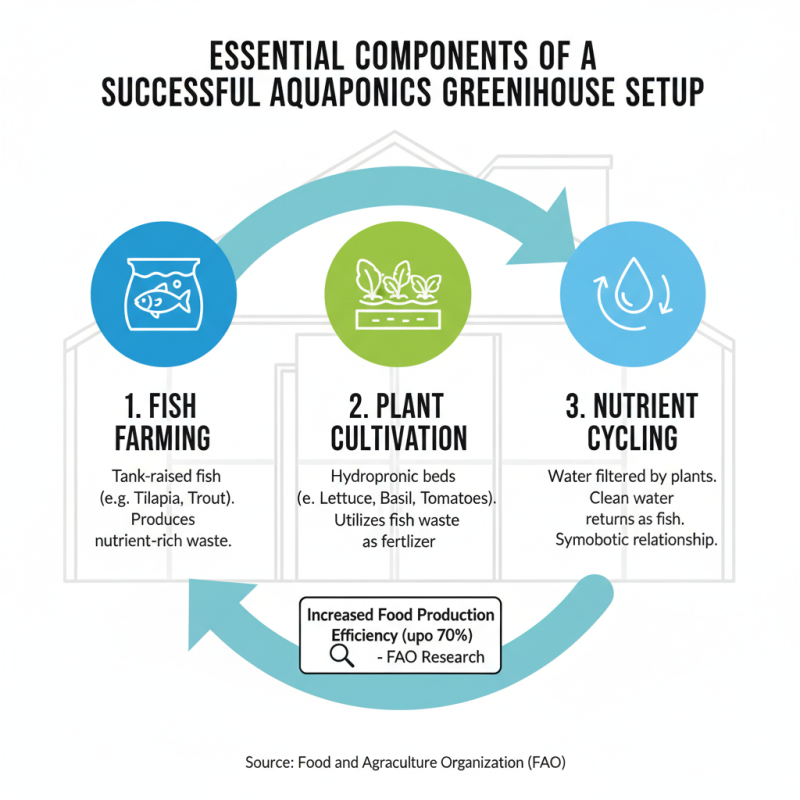
Creating a successful aquaponics greenhouse requires understanding its essential components. Key elements include a properly designed system that integrates fish farming with plant cultivation. Research from the Food and Agriculture Organization shows that aquaponics can increase food production efficiency by up to 70%. This system relies on nutrient cycling, where fish waste nourishes plants while plants filter the water for fish.
Temperature control is critical. Maintaining optimal conditions between 18 to 24 degrees Celsius is vital for both fish and plants. Inadequate climate management can lead to crop failures or fish stress. Lighting also plays a significant role. Natural sunlight is preferred, but supplemental LED lighting can enhance growth, especially during winter months.
Water quality cannot be overlooked. Regular testing for pH, ammonia, and nitrate levels ensures ecosystem health. Many novice growers overlook this aspect, leading to imbalances. A well-maintained biofilter is essential for removing toxins. Despite these necessities, many setups fail due to improper planning or lack of monitoring. Learning from these challenges is crucial for improvement and sustainability in aquaponics practices.
Best Practices for Maintaining Healthy Aquaponics Ecosystems
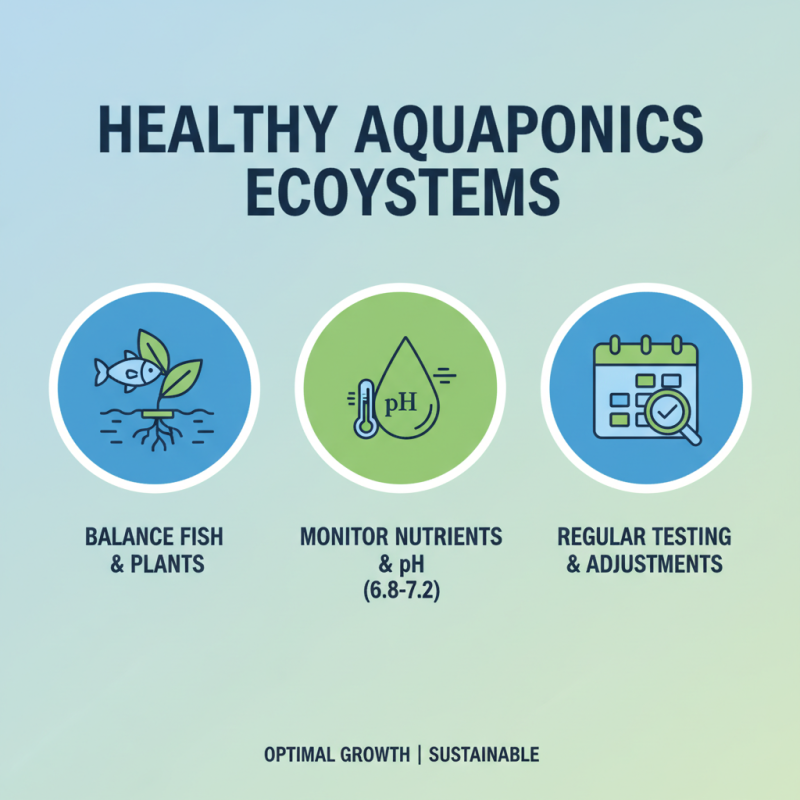
Maintaining a healthy aquaponics ecosystem requires a balance between fish and plants. Nutrient levels must be monitored regularly. Research shows that optimal pH for aquaponics should be between 6.8 and 7.2. This range supports both fish and plant growth effectively. Regular testing helps to identify imbalances and rectify them quickly.
Water quality is crucial in aquaponics. High ammonia levels can harm fish. The 2021 Aquaponics Journal reported that 0.5 mg/L of ammonia can become toxic. Frequent water changes and biofilter optimization are necessary. Using natural methods, like beneficial bacteria, reduces reliance on chemicals.
Plant care is equally important. Crop rotation can improve soil health and yield. However, many growers neglect this practice, leading to disease. Also, integrated pest management techniques should be considered. Ignoring pests can lead to crop loss and ecosystem imbalance. Regular observation and timely intervention ensure a thriving aquaponics environment. These practices foster resilience and adaptability in an aquaponics system.
Future Trends and Innovations in Aquaponics for 2026 and Beyond
Aquaponics is gaining traction as a sustainable farming method. In 2026, innovation in aquaponics is expected to reshape food production. Vertical farms integrated with aquaponics systems will save space and resources. These greenhouses will use advanced sensors for monitoring. Real-time adjustments can enhance plant and fish health.
Life cycle assessments will play a crucial role. They will evaluate the sustainability of aquaponics operations. However, challenges remain. Energy consumption and water quality management still need improvement. Not all plants thrive in aquaponic systems, which requires experimentation. More research is necessary to address organic pest control.
Collaboration among farmers and scientists will drive progress. Sharing knowledge can foster better practices. Community involvement will become vital. Empowering local growers leads to diverse food options. We must reflect on the current limitations and push boundaries. Embracing change is key to thriving in 2026 and beyond.
Aquaponics Greenhouse Benefits and Best Practices for 2026
This bar chart illustrates the predicted benefits of aquaponics systems by 2026, highlighting water conservation, crop yield, nutrient cycling, and energy efficiency.