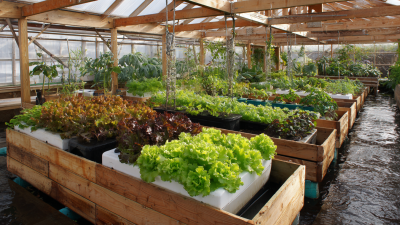
What is an Aquaponics Greenhouse and How Does it Work?
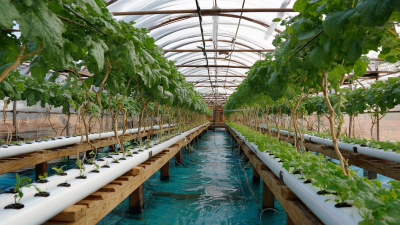
An Aquaponics Greenhouse merges aquaculture and hydroponics. This system offers a sustainable solution for food production. According to Dr. Linda Chappell, an expert in sustainable agriculture, "Aquaponics Greenhouses create a symbiotic environment that maximizes resource use."
In these systems, fish and plants thrive together. Fish waste becomes nutrients for the plants. In return, plants filter and clean the water for the fish. This closed-loop structure reduces water usage significantly, a crucial factor in today's climate crisis. Yet, challenges remain. Balancing the ecosystem requires constant attention and expertise.
Moreover, many individuals may struggle with the technical aspects. Knowledge gaps can lead to failure in achieving optimal yields. Experts stress the importance of ongoing education in this field. A successful Aquaponics Greenhouse needs dedication and adaptability. This innovative approach could potentially change agriculture, but it demands reflection and adjustment from all who attempt it.
What is Aquaponics? Understanding the Basics of the System
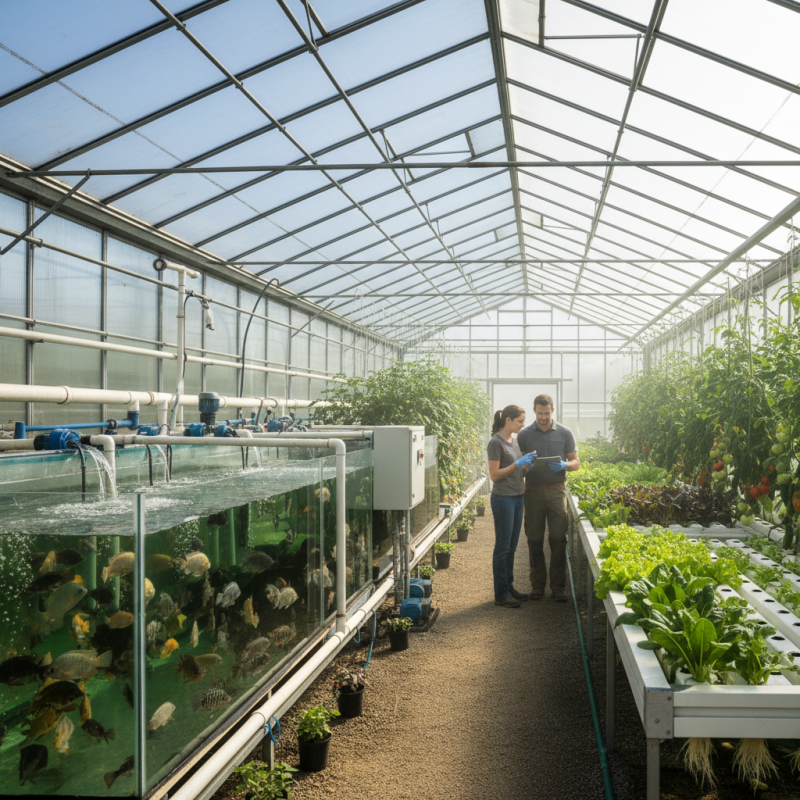
Aquaponics combines aquaculture and hydroponics. In this system, fish and plants grow together in a symbiotic environment. Fish waste provides nutrients for plants. In return, plants filter and purify the water for fish. It's a natural cycle that promotes sustainability.
Understanding the basics of aquaponics involves a few key components. First, the fish tank holds freshwater fish, usually tilapia or catfish. Water is pumped from this tank to the plants. The growing beds may contain various vegetables or herbs. The roots of these plants absorb nutrients, which cleans the water before it returns to the fish tank.
This method has its challenges. For instance, balancing the right amount of fish and plants can be tricky. If one grows too fast, it can disrupt the system. Maintaining water quality is also vital; fluctuations can harm both fish and plants. Aquaponics requires careful monitoring, yet the rewards of fresh produce and fish can be significant. Experimenting with this method can ignite a passion for sustainable agriculture.
Components of an Aquaponics Greenhouse: Key Elements Explained
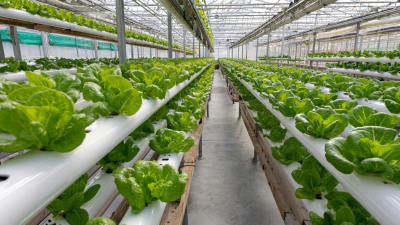
An aquaponics greenhouse combines aquaculture and hydroponics. This system creates a sustainable environment for plants and fish. Fish waste provides essential nutrients for plant growth. In turn, plants filter and purify the water for the fish. This symbiotic relationship leads to increased productivity.
Key components include fish tanks, grow beds, and water pumps. Fish tanks are essential for housing aquatic life. Researchers suggest that a 200-gallon tank can support 50 to 75 fish, depending on their size. Grow beds, which hold plants, come in many types. Media beds filled with gravel or clay can hold various crops. Data indicates that plant growth can increase by up to 30% in aquaponic systems.
Water pumps circulate water between the fish and plants. Proper maintenance of pumps is critical. Regular checks can prevent system failures that disrupt the balance. Monitoring pH and nutrient levels is challenging but necessary. Even slight variations can affect plant health and fish wellbeing. Ultimately, the efficiency of an aquaponics greenhouse relies on consistent monitoring and adaptation.
What is an Aquaponics Greenhouse and How Does it Work?
| Component |
Description |
Function |
Notes |
| Fish Tank |
Container for fish to grow |
Provides nutrients through fish waste |
Size varies based on system scale |
| Grow Beds |
Media where plants grow |
Filters fish waste and absorbs nutrients |
Common materials include gravel or clay pellets |
| Water Pump |
Pumps water between fish tank and grow beds |
Circulates water to maintain nutrient flow |
Size and power depend on system size |
| Aeration System |
Adds oxygen to the water |
Supports fish health and beneficial bacteria |
Air stones or diffusers are commonly used |
| Filtration System |
Removes solids from water |
Maintains water clarity and health |
Can include mechanical and biological filters |
| Greenhouse Structure |
Physical structure for climate control |
Regulates temperature, humidity, and light |
Materials can vary from glass to polycarbonate |
How Aquaponics Works: The Symbiotic Relationship Between Plants and Fish
Aquaponics is an innovative farming method that combines aquaculture and hydroponics. In this system, fish and plants live together in a symbiotic relationship. According to the National Sustainable Agriculture Coalition, this system can yield up to 10 times more food compared to traditional methods on the same area of land. The fish waste provides nutrients for the plants while the plants help filter the water for the fish.
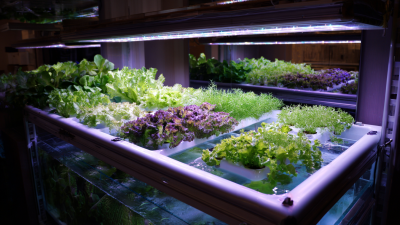
In a typical aquaponics greenhouse, you might find lettuce thriving alongside tilapia. The fish produce ammonia through their waste. Beneficial bacteria convert this ammonia into nitrates, which are then absorbed by the plants. The water returns to the fish tank clean and safe. However, maintaining balance is challenging.
If ammonia levels rise too high, it can harm fish. Regular monitoring is crucial for success.
Some reports suggest that aquaponics could reduce water usage by up to 90% compared to conventional agriculture. But, it requires a significant initial investment. The technology and systems can be complex, posing a barrier for many farmers. Despite the potential, some still question its long-term sustainability and scalability. So, while aquaponics offers great promise, it also invites careful evaluation and ongoing learning.
Benefits of Using an Aquaponics Greenhouse for Sustainable Farming
Aquaponics greenhouses combine fish and plant farming. This method promotes a cyclical ecosystem. Fish waste provides nutrients for plants. In return, plants filter the water for fish. This synergy maximizes resource use. According to a 2021 report by the Food and Agriculture Organization (FAO), aquaponics systems can use up to 90% less water than traditional farming.
The benefits are increasingly evident. Urban farming can flourish in limited spaces. A small aquaponics greenhouse can yield vegetables and fish year-round. Nutrient-dense produce often requires fewer pesticides. A USDA study noted that organic produce from aquaponics can have higher market value. However, there are challenges as well. Initial setup costs can be high, and management requires knowledge of both aquaculture and hydroponics. Growing the right fish and plants together is not always straightforward.
Despite these hurdles, the potential is significant. Aquaponics contributes to food security and reduces carbon footprints. A 2019 research highlighted that local aquaponics setups could lower transportation emissions. As climate change worsens, sustainable solutions like this deserve further exploration. Communities around the world should consider integrating aquaponics into their food systems.
Common Challenges and Solutions in Aquaponics Greenhouse Management
Aquaponics greenhouses merge aquaculture and hydroponics. This system can face several challenges. Managing water quality is a major concern. Improper pH levels affect fish health and plant growth. According to industry reports, maintaining optimal water conditions can increase yield by 30%.
Another challenge is pest management. With a closed system, pest outbreaks can happen rapidly. Chemical pesticides can harm fish. Instead, integrated pest management is often recommended. This approach includes using beneficial insects. It helps protect both plants and fish.
**Tip:** Regularly test water parameters. Aim for a pH of 6.8 to 7.2 for ideal growth.
Nutrient imbalance is also prevalent. Fish waste provides nutrients, but sometimes, plants require additional fertilizers. Over-reliance on fish waste can lead to deficiencies. Strategies like supplementing with organic fertilizers can mitigate this. However, careful monitoring is essential.
**Tip:** Keep a close eye on plant responses. Adjust nutrient inputs if deficiencies appear. This close observation prevents larger issues later on.