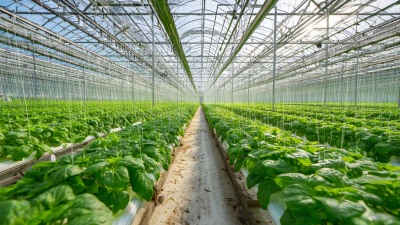
2026 Top Hydroponics Greenhouse Trends You Need to Know?
As the demand for sustainable farming grows, the "Hydroponics Greenhouse" sector is adapting rapidly. According to a recent report by MarketsandMarkets, the hydroponics market is expected to reach $16 billion by 2025. This thriving industry is characterized by innovative solutions and emerging trends that redefine agricultural paradigms.
Dr. Emily Carter, a leading expert in hydroponic technologies, states, "Innovation is the heartbeat of hydroponics." Her insight underscores the dynamic nature of Hydroponics Greenhouses. They offer year-round cultivation capabilities and water efficiency, but challenges remain. The high initial investment and climate control complexities are hurdles many growers face.
Despite these issues, exciting trends are on the horizon. Vertical farming within hydroponic systems is gaining traction, promising greater yield per square foot. Moreover, smart technologies, like AI and IoT, are transforming the operational landscape. The shift toward organic hydroponics also reflects consumer preferences. Still, these advancements demand continual adaptation and reflection on best practices in Hydroponics Greenhouse management.
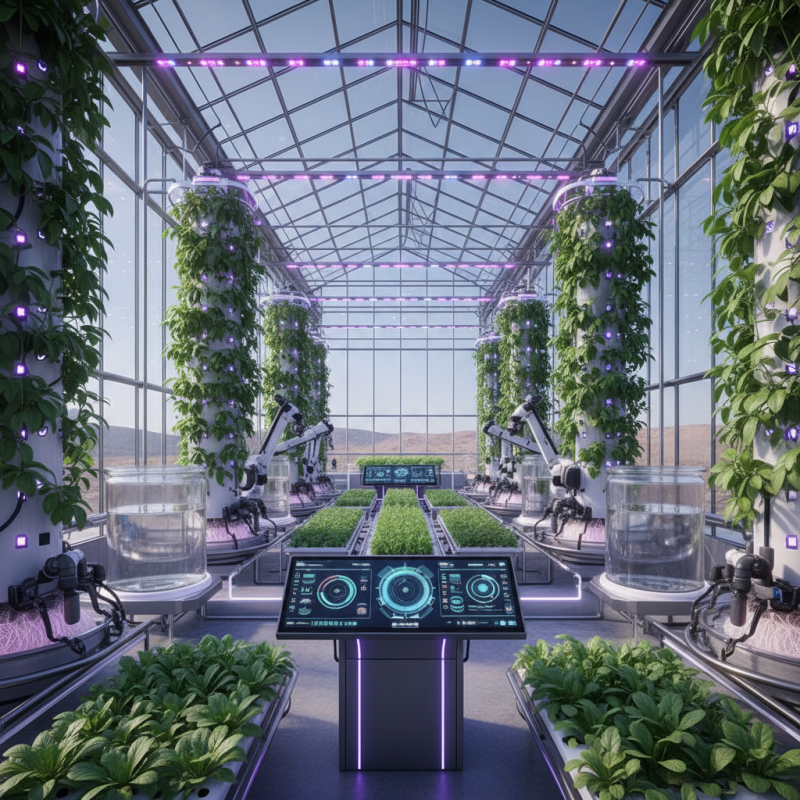
2026 Trends in Hydroponics: An Overview of Innovations
As we approach 2026, the hydroponics industry is set for significant innovations. Vertical farming is gaining momentum. Farmers use stacked layers to maximize space. This method speaks to urban areas where land is scarce. Alongside this, smart sensors will become standard. These devices monitor plant health and nutrient levels. They provide real-time feedback, making adjustments easier. The challenge lies in integrating these technologies smoothly.
Another exciting trend is the use of renewable energy. Solar panels on greenhouses can reduce costs. They can power lighting and heating systems efficiently. Additional innovations include automated systems for planting and harvesting. These can save labor and time. However, reliance on technology can be a double-edged sword. Over-dependence may lead to skills atrophy among workers. Furthermore, maintaining these systems can be costly.
Sustainability continues to be a focus. Growers are exploring water recycling methods. Reducing waste is crucial for the environment. Nevertheless, implementing these methods can be tricky. Growing a diverse range of crops is also important. It helps maintain local biodiversity but can complicate management. The balance between innovation and practical challenges will define the future of hydroponics.
2026 Top Hydroponics Greenhouse Trends You Need to Know
| Trend |
Description |
Impact |
Adoption Rate |
| Vertical Farming |
Maximizing space by stacking layers of crops. |
Increased yield per square foot. |
70% |
| Automated Systems |
Integration of robotics for planting and maintenance. |
Reduced labor costs and increased efficiency. |
65% |
| LED Lighting Innovations |
Use of advanced LEDs to optimize growth. |
Energy savings and improved plant health. |
80% |
| Climate Control Technologies |
Advanced systems for monitoring and controlling environments. |
Enhanced growth rates and lower waste. |
75% |
| Sustainable Practices |
Focus on reducing water usage and waste. |
Improved environmental impact and resource efficiency. |
90% |
Sustainable Practices in Hydroponic Greenhouses for 2026
As we approach 2026, sustainable practices in hydroponic greenhouses are becoming increasingly vital. The global hydroponics market size is projected to reach $16.0 billion by 2026, indicating a significant shift towards eco-friendly agriculture. Hydroponics uses up to 90% less water than traditional farming. Despite these benefits, challenges remain.
Many growers are now focusing on renewable energy sources. Solar panels on greenhouse rooftops can reduce electricity costs. However, initial investments can be a hurdle. The importance of energy-efficient systems, such as LED lighting, cannot be overstated. These systems can lower energy consumption, yet their cost can deter smaller operations.
Another trend is the integration of smart technology. Data analytics can optimize plant growth. Yet, the reliance on tech raises concerns about potential data breaches and equipment failures. As growers adopt automation, training and cybersecurity become essential. Balancing technology with human oversight is crucial for long-term success.
Emerging Technologies Transforming Hydroponic Farming
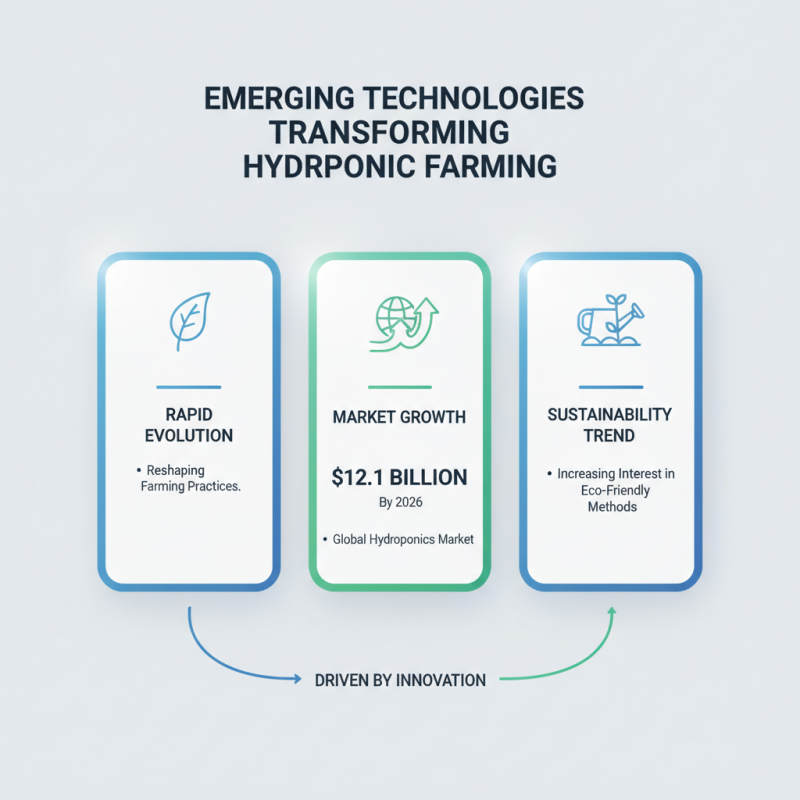
The hydroponics industry is rapidly evolving. Emerging technologies are reshaping how we approach farming. The global hydroponics market is projected to grow significantly. By 2026, it could reach $12.1 billion. This trend highlights the increasing interest in sustainable practices.
Vertical farming is a key innovation. It maximizes space and resources. Data shows that vertical farms can yield up to 10 times more produce per square foot. However, they require careful management of environmental factors. This involves light, temperature, and nutrient delivery. Many growers find this challenging.
Automation also plays a pivotal role. New systems can monitor plant health in real-time. Sensors can detect nutrient levels and adjust them automatically. Reports indicate that automated systems can reduce labor costs by up to 30%. Still, the initial setup costs can be daunting for new farmers. This creates a barrier that needs addressing as the industry grows. Balancing innovation with accessibility remains a crucial concern.
Market Demand and Consumer Preferences Shaping Hydroponics
The hydroponics market is evolving rapidly. Consumers are becoming more health-conscious. This trend drives the demand for fresh, pesticide-free produce. Hydroponic systems offer a solution by growing plants without soil. They use nutrient-rich water, which saves space and resources. As city living increases, these systems become more appealing.
Market preferences shift toward locally sourced food. Urban consumers want to know where their food comes from. Hydroponics can provide this transparency. It supports urban agriculture, reducing transportation costs and carbon footprints.
However, some consumers still hesitate to fully embrace hydroponics. They question the taste and nutrition of hydroponically grown plants.
The challenge is clear: educating consumers is crucial. Many need to understand the benefits of hydroponics. Unfortunately, not all hydroponic produce is marketed properly. Misconceptions linger, and clarity is required.
It’s important to present clear information and address concerns. The industry must work together to build trust and awareness among consumers.
The Future of Hydroponics: Challenges and Opportunities Ahead
The hydroponics industry is at a crucial crossroads. As we look toward 2026, growers face both challenges and opportunities. Industry reports indicate that the global hydroponics market is projected to reach $16 billion by 2026. This growth reflects an increasing demand for sustainable agriculture solutions. However, the transition to hydroponics isn't without hurdles.
Water management remains a major concern. Over 70% of growers report difficulties with nutrient balance. Inadequate knowledge can lead to crop failures. As technologies improve, there's a gap in education. Many growers struggle with integrating advanced systems into their practices.
Tip: Invest time in training and workshops. Find local resources for hands-on learning.
Sustainability is another key issue. Over 50% of hydroponic farms still rely on non-renewable energy sources. The reliance on fossil fuels contradicts the principles of sustainable farming. Transitioning to renewable energy could enhance market competitiveness.
Tip: Research financing options for solar energy installations. Emerald farms have seen improvements in both efficiency and cost.
Ultimately, the future of hydroponics must acknowledge these challenges. The integration of education and sustainable practices can drive success. As growers adapt, the industry could reshape global food production systems.