2026 Top Aquaponics System Trends You Need to Know?
In the realm of sustainable agriculture, the Aquaponics System stands out as an innovative solution. Combining fish farming with plant cultivation, it creates a symbiotic relationship. This method not only conserves water but also maximizes space efficiency. Imagine a small urban backyard flourishing with fresh vegetables and vibrant fish.
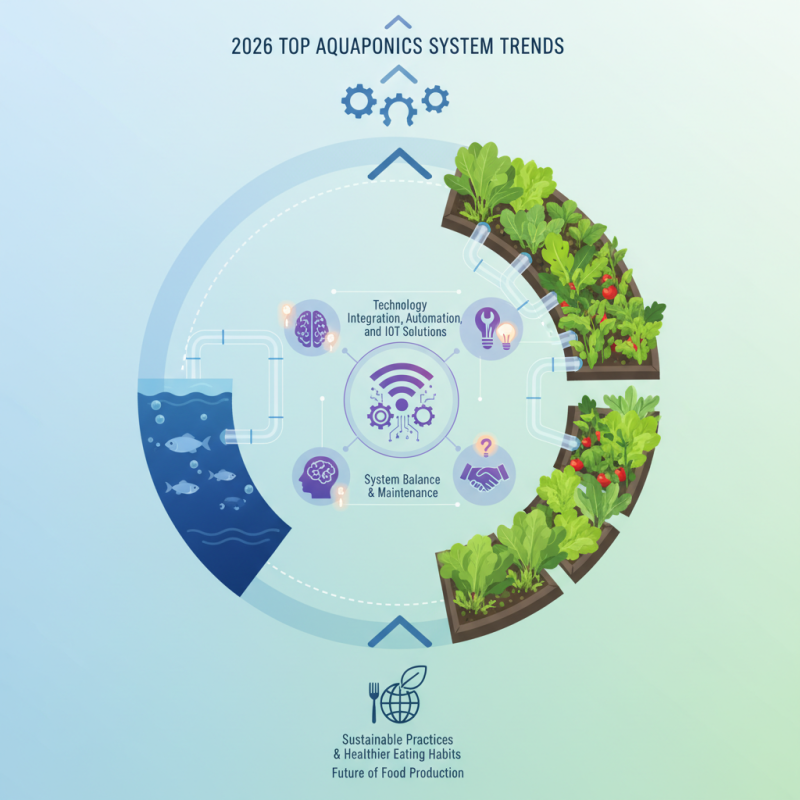
As we approach 2026, new trends are emerging in the Aquaponics System. There is a growing emphasis on technology integration, such as automation and IoT solutions. However, challenges remain. Many newcomers struggle with system balance and maintenance. Understanding the needs of both fish and plants can be complex. Yet, this journey can be deeply rewarding.
Exploring these trends is vital for anyone interested in aquaponics. It opens doors to sustainable practices and healthier eating habits. While not without flaws, the future of the Aquaponics System looks promising. Embracing these innovations may redefine how we approach food production in the coming years.
Emerging Aquaponics Technologies Shaping the Future of Sustainable Farming
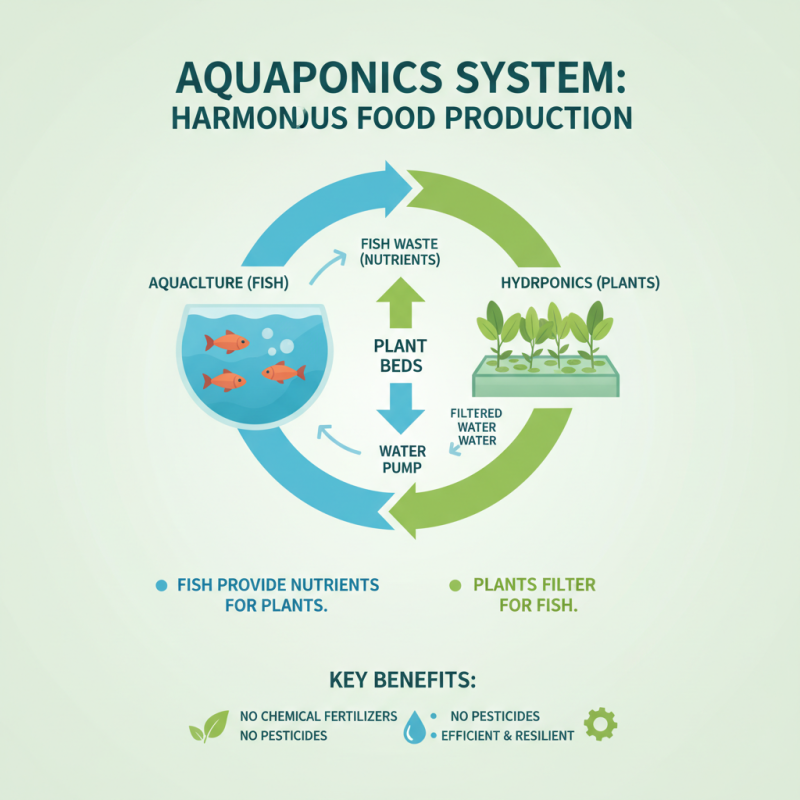
Aquaponics represents a transformative approach to farming. It combines aquaculture and hydroponics in a single system. In this symbiotic environment, fish provide nutrients for plants, while plants purify the water for fish. Innovations in technology enhance these processes, ensuring better yields. Drones and sensors now monitor the health of crops and fish in real time. This leads to more efficient resource use.
Emerging technologies are critical for sustainable farming. Automated systems help regulate water flow and nutrient levels. AI algorithms predict plant growth patterns, making adjustments as needed. However, not all systems are foolproof. Some technologies require significant investment and expertise. Farmers may face learning curves. Meanwhile, environmental variables can disrupt even the best systems. These challenges highlight the need for continuous adaptation and improvement in aquaponics.
Key Benefits of Aquaponics Systems: Efficiency and Resilience in Food Production
Aquaponics systems are gaining popularity for their efficiency and resilience in food production. These systems combine aquaculture and hydroponics. Plants and fish coexist in a symbiotic environment. This natural harmony reduces the need for chemical fertilizers and pesticides, which is a significant benefit.
Growing your own food has distinct advantages. It allows for fresher produce and healthier fish. Resources are conserved in aquaponics; water usage is minimal compared to conventional farming. However, setting up a system can be challenging. Potential growers need to consider space, light, and necessary technology.
**Tip:** Start small to avoid overwhelming yourself. Monitor the system closely, especially in the beginning. Adjust nutrient levels as needed for optimal plant growth. Remember, mistakes can happen. Learning from them is crucial. Consistent observation leads to better results over time.
With careful management, aquaponics can be a sustainable solution for food production. The balance between fish and plants fosters resilience. It can withstand environmental changes better than traditional methods. Ultimately, aquaponics reflects a shift towards more responsible consumption.
Market Trends: Growth Projections for Aquaponics Industry by 2026
The aquaponics industry is expected to see significant growth by 2026. Reports indicate that the market could reach a valuation of approximately $1 billion. This surge is primarily driven by the increasing demand for sustainable food production methods. Consumers are becoming more aware of environmental issues and seeking solutions that minimize resource use.
One notable trend is the rise of small-scale, urban aquaponics systems. These setups appeal to city dwellers interested in local food sourcing. Data shows that community-based projects have doubled in recent years. Yet, challenges remain. Many new operators struggle with system maintenance and crop diseases, which can lead to failures.
Additionally, regulatory hurdles still exist, hindering scalability for many aquaponics farms. The lack of clear standards can create uncertainty for investors. While the outlook is promising, careful planning and education are essential. Growth projections are exciting, but sustainability and resilience must be prioritized to ensure long-term success in this industry.
2026 Top Aquaponics System Trends You Need to Know
| Trend |
Projected Growth (%) |
Key Drivers |
Market Segment |
Geographical Focus |
| Sustainable Food Production |
25% |
Increasing demand for locally sourced food |
Commercial |
North America, Europe |
| Technological Advancements |
30% |
AI and automation integration |
Residential |
Asia, Australia |
| Education and Awareness |
15% |
Growing interest in sustainable agriculture |
Community |
Global |
| Urban Gardening Solutions |
20% |
Urbanization trends and food security concerns |
Various |
Urban areas worldwide |
| Investment in R&D |
18% |
Need for innovative solutions in aquaponics |
Agricultural Technology |
North America, Europe |
Innovations in Fish and Plant Synergy: Maximizing Yields in Aquaponics
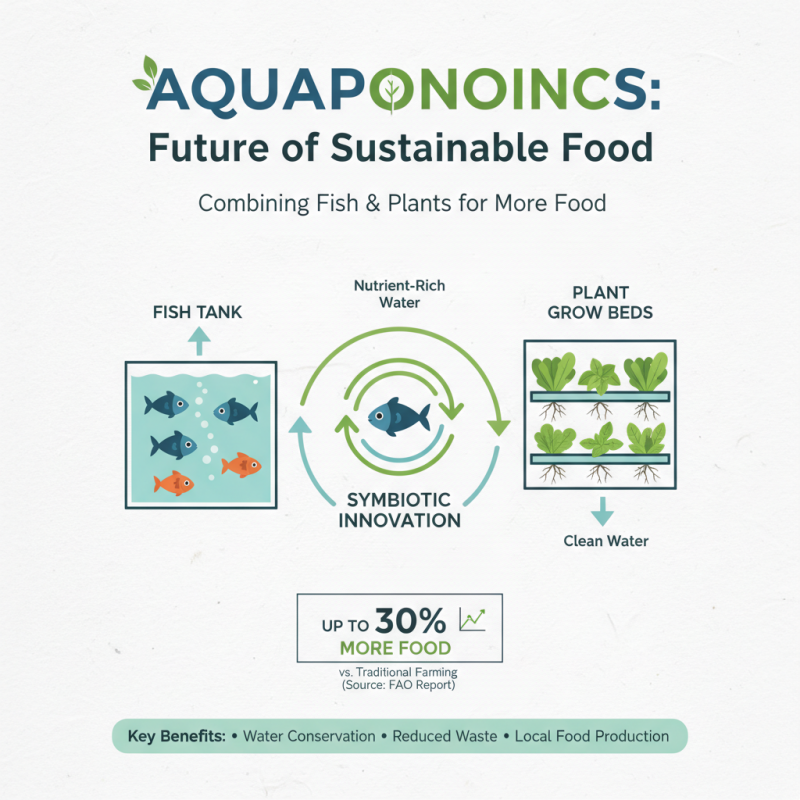
Aquaponics is revolutionizing sustainable agriculture by combining fish farming with plant cultivation. Innovations in fish and plant synergy are essential for maximizing yields. According to a recent report by the Food and Agriculture Organization (FAO), aquaponics systems can produce up to 30% more food than traditional farming methods. This increase stems from the nutrient-rich water fish produce, which directly nourishes the plants.
Creating a balanced ecosystem is crucial. Proper fish-to-plant ratios can optimize growth. For example, having 1 kg of fish for every 5-10 kg of plants is often recommended. However, many growers struggle with maintaining this balance. It requires constant monitoring of water quality and nutrient levels. Overfeeding fish can lead to imbalances, thus affecting plant health.
Tips: Use test kits regularly to check pH and ammonia levels. This helps in quick adjustments. Moreover, experimenting with different fish and plant combinations can yield surprising results. Some growers report that unexpected pairings thrive together, enhancing biodiversity in their systems.
In terms of technology, automated systems can enhance efficiency. Sensors that monitor water conditions can reduce manual labor. Yet, over-reliance on technology may overlook the art of hands-on management. Each system is unique, and personal oversight often leads to better outcomes. Balancing technology with personal observation is key.
Sustainability Metrics: Analyzing Aquaponics' Environmental Impact and Benefits
Aquaponics systems blend aquaculture and hydroponics. This method uses fish waste to nourish plants. This creates a symbiotic environment. Many believe it reduces water usage. However, actual metrics vary widely. Some setups may still waste significant water.
Analyzing the environmental impact is crucial. Aquaponics can cut carbon footprints compared to traditional farming. Yet, energy use in system maintenance must not be overlooked. Often, pumping and lighting require substantial power. This leads to complex questions about overall sustainability.
The reliance on technology also brings challenges. A malfunction can disrupt the entire ecosystem. Fish health and plant growth may suffer. It highlights a need for better monitoring solutions. As trends evolve, finding balance is essential. Exploring both benefits and pitfalls will lead to improved practices in aquaponics.